Category

Mindset

Habits, breathwork and gentle reframes for the days you really don’t want to move.
17Articles
3Contributors
114mOf reading
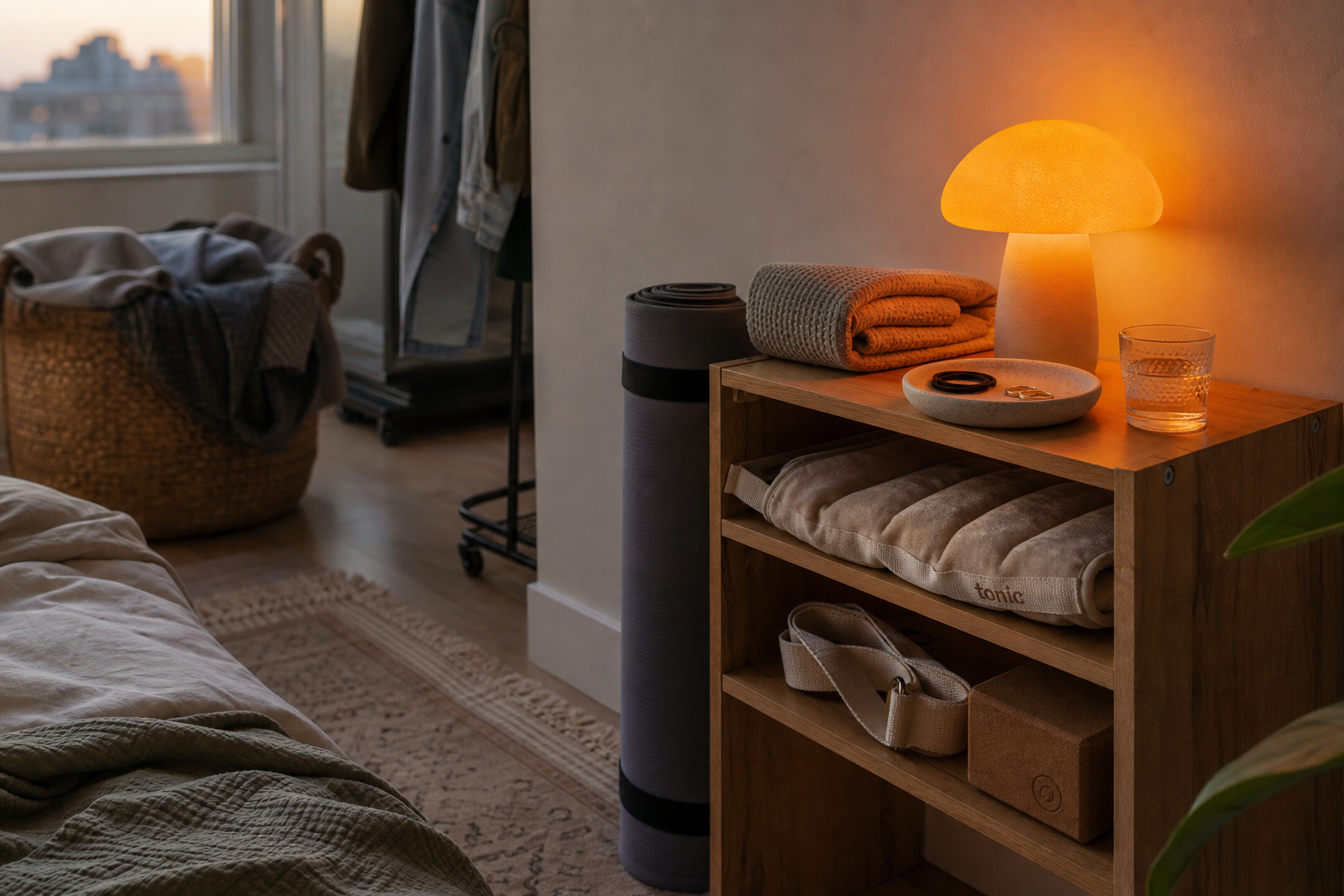
Featured image for: Write a practical guide on creating a “sensory reset shelf” for mobility and wind-down routines, using touch, temperature, scent, and visual cues to make showing up feel instinctive rather than effortful. Open by contrasting the usual advice about discipline and scheduling with a more overlooked reality: many people skip recovery because their space feels mentally noisy or physically uninviting, not because they lack good intentions. Then walk the reader through curating a tiny setup—such as a textured towel, a small lamp, a ceramic dish for hair ties or rings, a heat pack, and a few inexpensive support props—organized so the body gets a calming signal before a single stretch begins. Ground the piece in habit design and nervous system awareness, showing how sensory cues can help someone transition from work mode, scroll mode, or household chaos into five to ten minutes of movement. Include specific examples for different evening states, like overstimulated, depleted, or restless, so the reader can adapt the shelf instead of building a perfect routine. Close with a simple one-week experiment: set up the shelf, use one cue to start each night, and track which objects actually reduce friction and invite consistency. The takeaway should be that sustainable mobility is not only about what sequence you do, but about engineering an environment your body wants to return to. This ties naturally to AliExpress by highlighting affordable, aesthetically simple accessories and small-space organizers that make the ritual accessible without turning it into a big wellness splurge.
Editor's pick

5 Steps to Build a Sensory Reset Shelf

The hallway light is still too bright, my phone is face-down but buzzing every few minutes, and there’s a faint pile-of-laundry feeling in the room even after I’ve technically cleaned it. Most advice…
Showing 17 of 17 articles
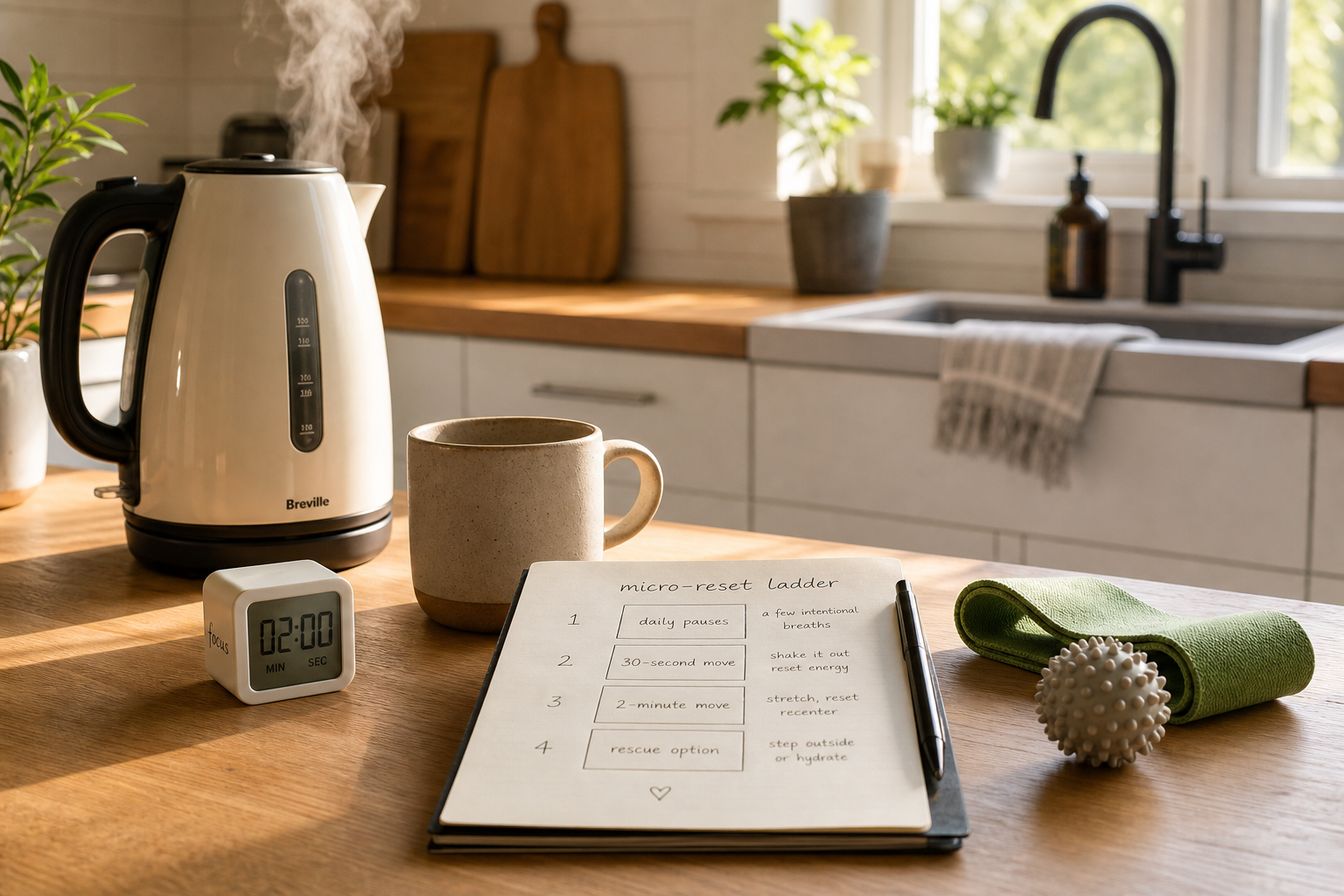
Featured image for: Write a practical guide on designing a “micro-reset ladder” for the days when mobility feels impossible, using just 30 seconds, 2 minutes, and 5 minutes of movement options that help readers recover momentum without negotiating with themselves. Open not with stress, travel, or evening fatigue, but with the oddly specific moment of waiting for something mundane — the kettle to boil, a file to upload, a shower to warm up — and show how these overlooked pockets can become anchors for sustainable movement. Walk the reader through how to match one mobility action to each built-in pause of the day, with examples for wrists, thoracic spine, ankles, and breath, so the practice feels woven into life rather than added on top of it. Emphasize the mindset shift from “finding time for a session” to “stacking tiny physical check-ins onto existing delays,” making the piece feel fresh relative to her usual ritual-based framing. Include a simple template readers can fill out: my daily pauses, my 30-second move, my 2-minute move, my rescue option when I resist. The takeaway should be that consistency is often less about motivation or even dedicated space, and more about recognizing the hidden architecture of a day and placing movement inside it. Tie in AliExpress naturally by suggesting affordable, compact items that support these pause-based resets — a timer cube, mini resistance band, acupressure ball, or foldable foot roller — framed as optional friction-lowering tools rather than the solution itself.
Recovery

The 30-Second Mobility Ladder I Use on Stuck Days

There’s a strange little pocket of time I’ve started loving in summer: that minute while the kettle hums, the shower turns from cold to usable, or a file crawls toward 100 percent. Those mundane…
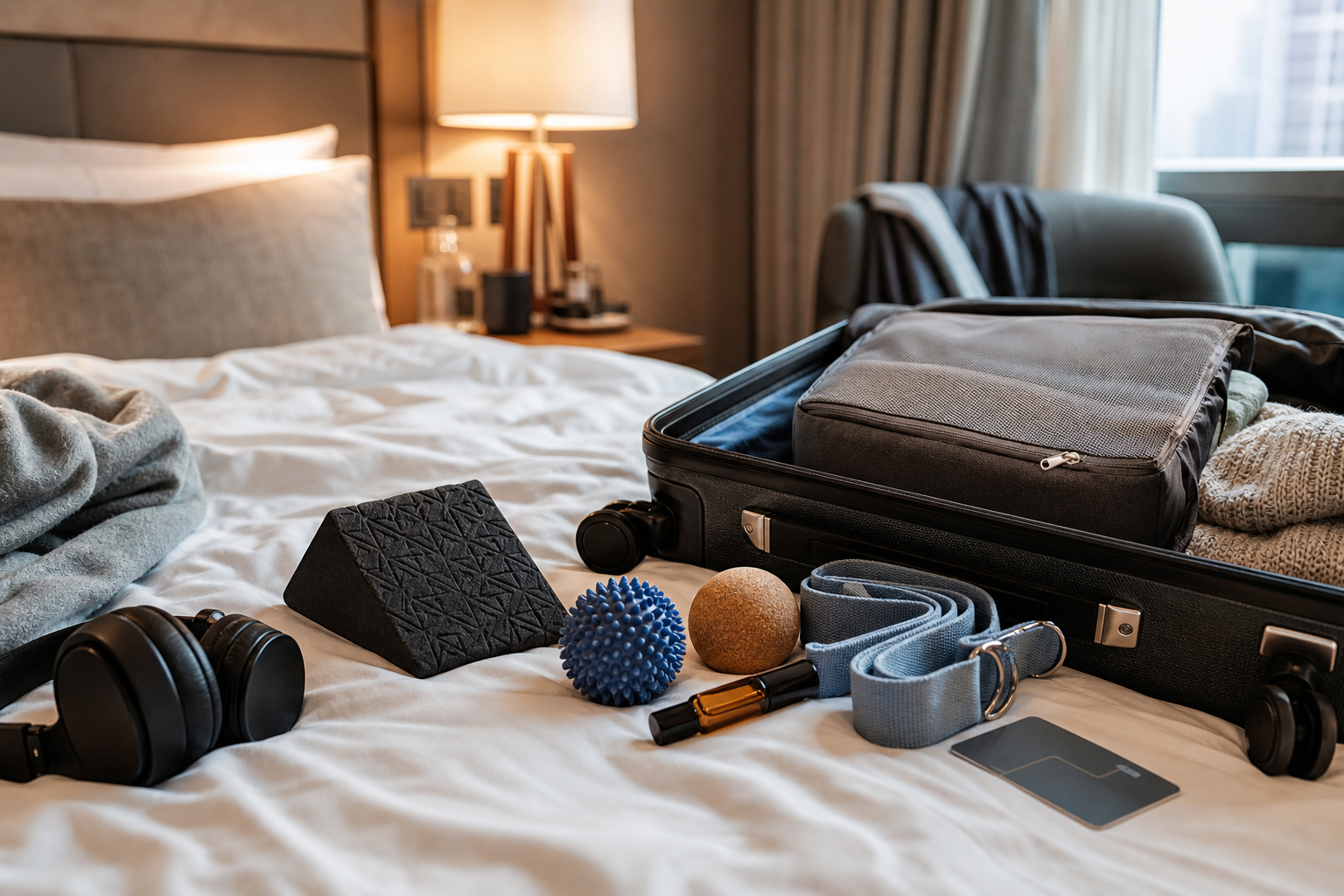
Featured image for: Write a practical guide to designing a “travel-proof mobility kit” for people whose routines collapse the moment they leave home, but frame it through the lens of transition fatigue rather than motivation or consistency. Open with a vivid, relatable scenario like arriving at a hotel, guest room, or airport lounge feeling physically cramped and mentally disoriented, then explain why unfamiliar spaces make simple movement feel strangely harder even for people with good habits. From there, walk readers through building a tiny portable setup: one foldable support, one textured recovery tool, one lightweight strap or band, and one calming sensory item that signals ‘my body knows what to do here.’ Include a simple decision framework for choosing items based on three common travel states—stiff from sitting, wired after overstimulation, or swollen and sluggish after a long day on foot—so the post feels highly actionable. The narrative should then show how to use the kit in a 6-minute hotel-room reset and a 3-minute airport or office version, emphasizing adaptability over ideal conditions. Close by giving readers a takeaway checklist for assembling their own low-cost version from accessible marketplace finds, naturally tying into AliExpress as a source for compact, inexpensive, mix-and-match travel accessories. The surprise factor is that the post is not about home rituals, beginner motivation, or nightly wind-downs, but about preserving body familiarity in temporary spaces through smart, portable cues.
Gear

Your Routine Didn’t Fail — Travel Changed the Rules

You can arrive somewhere new with every good intention intact and still find yourself standing in a hotel room, guest room, or airport lounge feeling oddly scrambled. Your neck is tight, your hips…
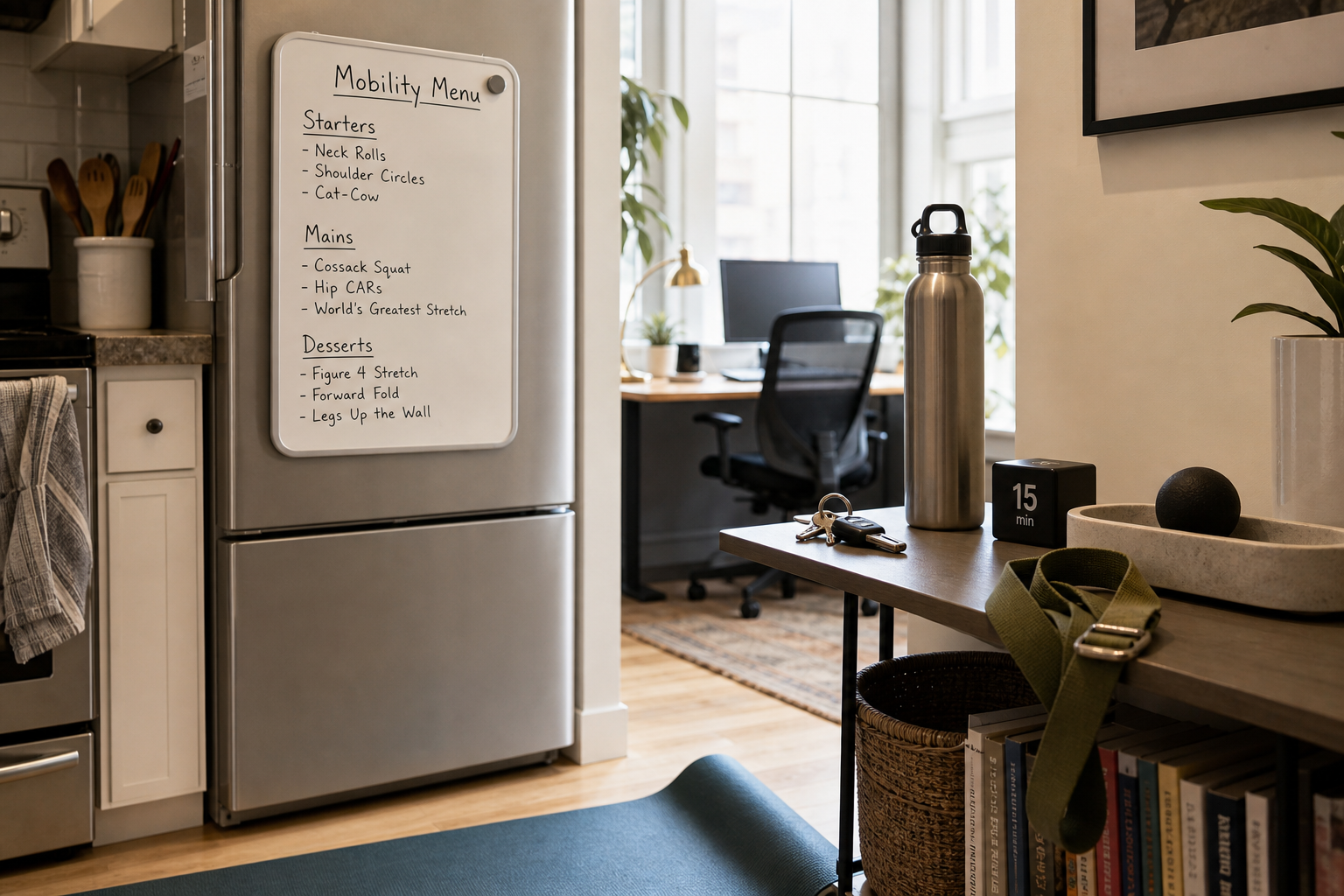
Featured image for: Write a practical guide to creating a "mobility menu" for decision-fatigued days, using the structure of a restaurant menu instead of a rigid routine: starters for breath and joint wake-ups, mains for 8-12 minute focused mobility blocks, and desserts for calming floor poses. Open with the very different problem of too many good options causing people to do nothing, rather than stress, wind-downs, or beginner motivation, and frame the post around choice architecture instead of discipline. Walk the reader through how to audit their real-life energy patterns across a week, then assign 2-3 movements to each menu category so they can mix and match without reinventing a practice every day. Include examples for common scenarios like "five minutes before a meeting," "stiff after travel," or "restless but mentally scattered," so the piece feels useful beyond morning and nighttime rituals. The narrative should move from why overplanning backfires, to how a menu reduces resistance, to a step-by-step template for building one with items they genuinely enjoy repeating. The takeaway is that sustainable movement habits are easier when you pre-decide flexible options instead of relying on mood or willpower in the moment. Tie in AliExpress naturally by suggesting affordable visual tools and simple props—small whiteboards, printable card holders, timer cubes, mini storage bins, yoga straps, and massage balls—that help readers set up and display their menu in a visible, low-friction way. Close by encouraging the writer to position the menu as a living system readers can update monthly, making mobility feel more like an inviting choice than a self-improvement test.
Workouts

From Too Many Options to Daily Mobility

A reader told me she had saved so many “good mobility routines” that, by Thursday, she was doing none of them. Her tabs were full, her intentions were solid, and her body was still stiff from sitting…
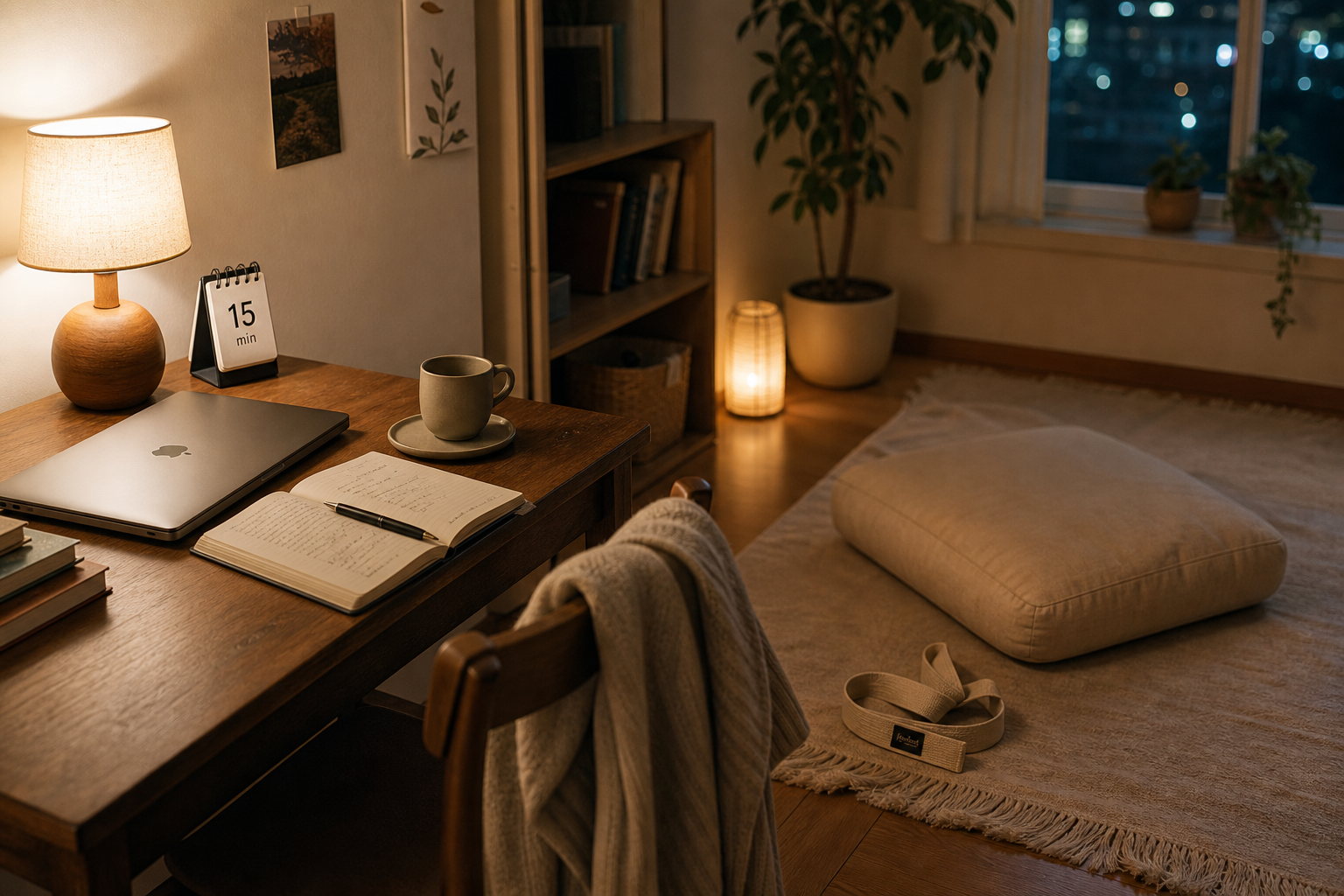
Featured image for: Create a practical guide to building a “transition ritual” for the 15 minutes between work mode and rest mode, aimed at readers whose bodies feel stuck in chair posture but who resist formal workouts at the end of the day. Open with a relatable scene about mental residue—tabs still open in the brain, jaw tight, hips compressed—not with a research claim, beginner-teacher framing, or a confession about your own nightly routine. Then walk the reader through a three-part reset: one tactile cue in the environment, one standing or floor-based mobility sequence, and one simple breath or journaling prompt that signals the nervous system that the day is changing shape. Make the post about habit design through transitions rather than motivation, flexibility, or doing more, so it feels distinct from her recent consistency-focused pieces. Include specific examples of affordable, low-stakes objects that can anchor the ritual—like a small timer, soft lighting, a floor cushion, a ceramic tea cup, or a compact stretch strap—so the AliExpress tie-in feels natural and aesthetic rather than gadget-heavy. As the piece unfolds, show readers how to assemble a ritual that takes less than 15 minutes, works in small apartments, and can be done in regular clothes. Close by giving readers a simple framework for customizing their own version based on energy level, available space, and whether they need to downshift emotionally or physically. The takeaway should be that sustainable movement habits often begin not with a workout plan, but with a repeatable threshold moment that helps the body leave one state and enter another.
Recovery

How to Build a 15-Minute Work-to-Rest Ritual

The laptop is closed, but somehow your brain still has twelve tabs open. Your jaw is clenched, your hips feel folded into the shape of your chair, and even the idea of a “quick workout” sounds a…
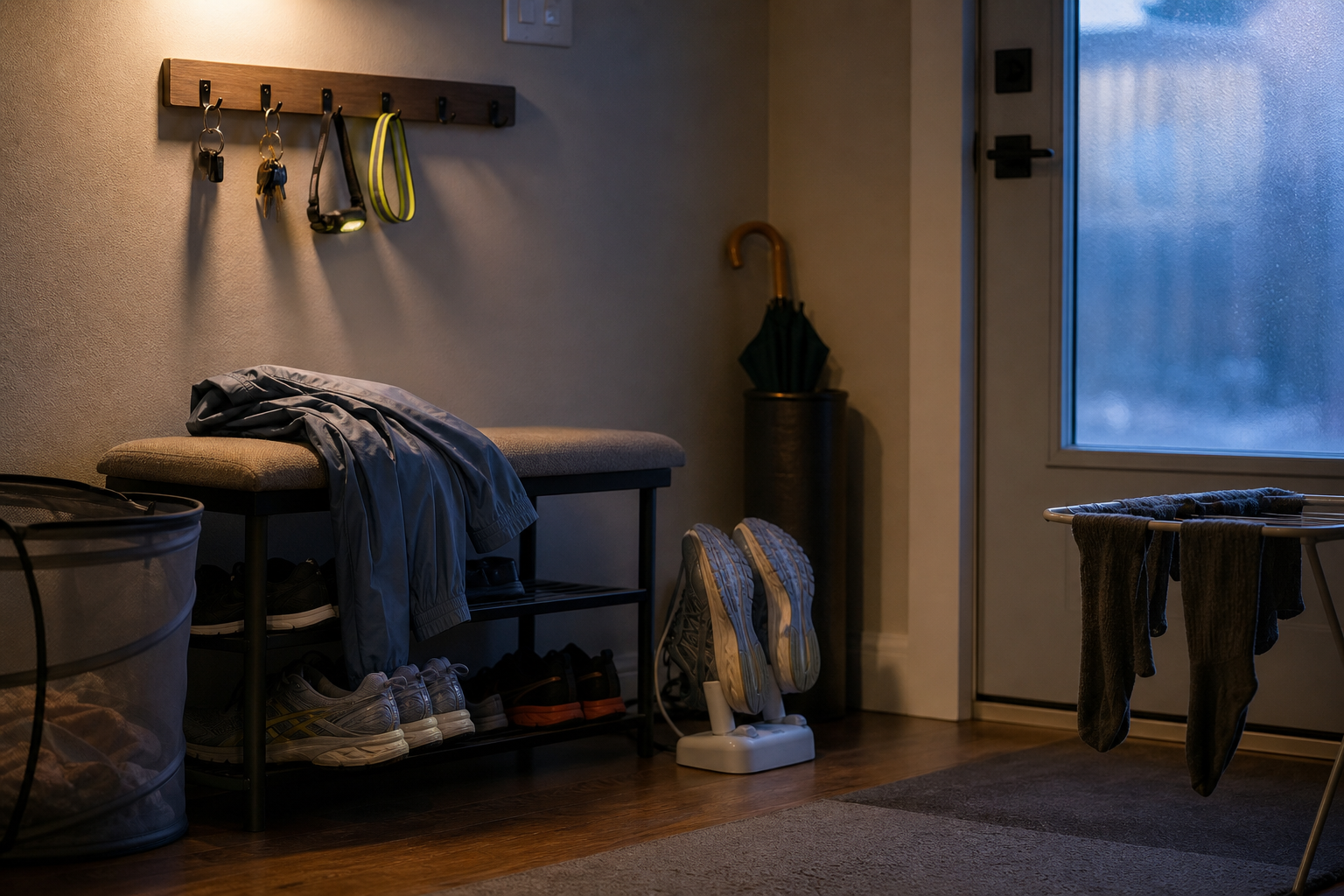
Featured image for: Write a contrarian opinion piece arguing that beginner runners obsess too much over shoe upgrades and not enough over creating a repeatable pre-run environment at home. Open with a familiar but surprising scene: two runners with identical fitness, where the one with the cheaper setup trains more consistently because their entryway, laundry flow, lighting, and gear storage make getting out the door frictionless. Then unpack the invisible “home logistics” that quietly shape endurance progress—where socks dry, where reflective gear lives, how wet shoes air out, how a cheap headlamp or collapsible hamper can save a morning run, and why these systems matter more than another gadget promising speed. Keep the tone practical and lightly persuasive rather than preachy, using Marcus’s no-jargon coaching voice to show how consistency is often built before the first step of the run. The middle of the post should challenge readers to do a quick audit of their own launch points for weekday training, identifying the three biggest sources of delay or excuse-making. Close by giving a simple reset plan for building a low-cost “runner’s corner” with affordable organizers, lights, drying tools, and small accessories that match AliExpress’s budget-friendly, utility-driven product style. The takeaway should be that endurance gains often come from removing daily friction, not from chasing elite gear aesthetics.
Gear

Stop Upgrading Shoes and Fix Your Front Door

I’ll confess this up front: I think a lot of beginner runners use shoe shopping as a very polished form of procrastination. I’ve watched people spend more energy comparing foam and carbon plates than…
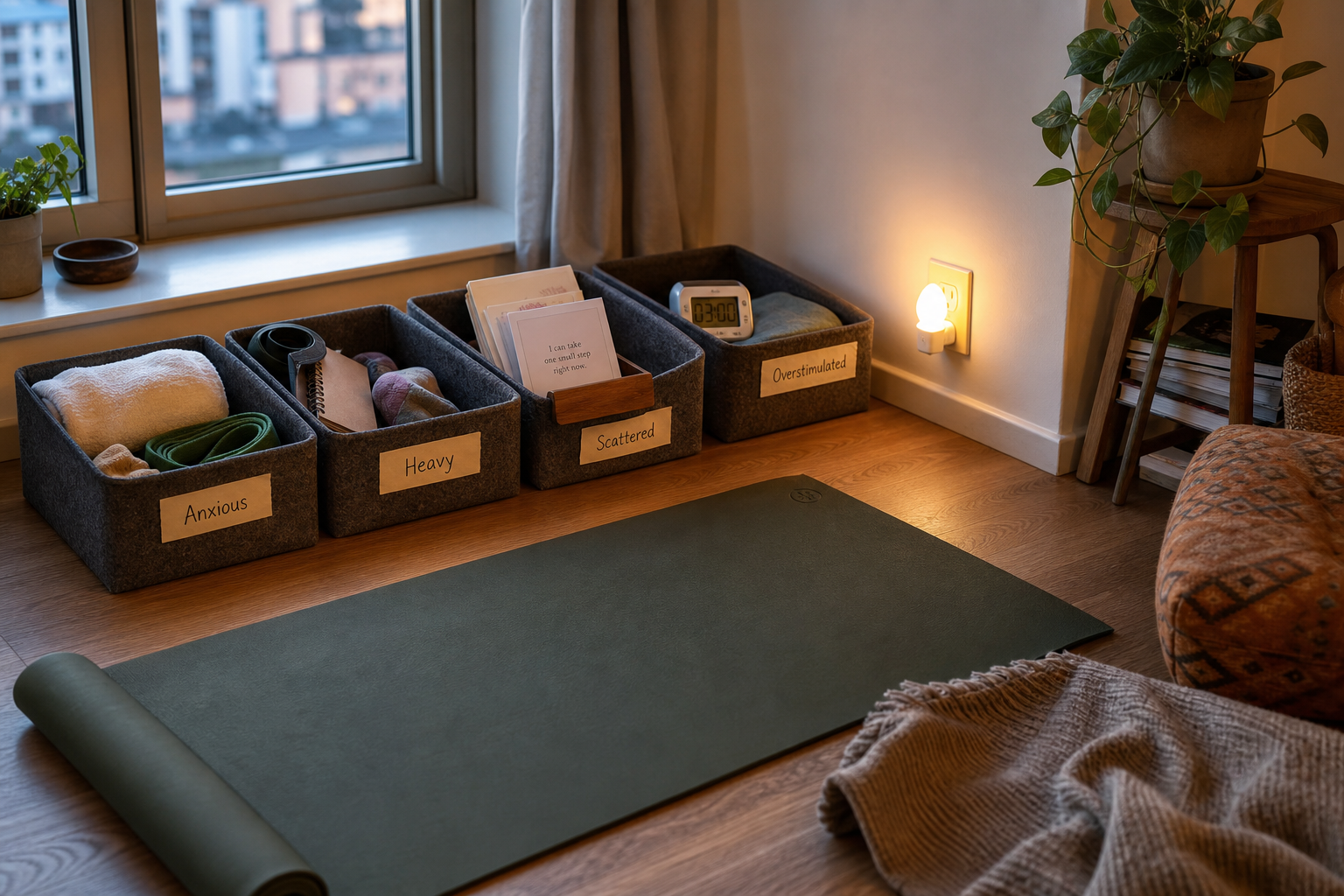
Featured image for: Write a practical guide to creating a “mobility menu” for different emotional states, rather than different times of day or motivation levels. Open by naming a less-discussed problem Sofia can credibly address: many people know what movements help their body, but freeze when stress, irritability, restlessness, or mental fog make decision-making harder than the practice itself. Then walk the reader through building a simple personal map with 3-4 feeling-based categories—such as anxious, heavy, scattered, or overstimulated—and pairing each one with a tiny sequence, breath pattern, and sensory cue that matches that state. The middle of the piece should show how to assemble this system at home using inexpensive visual aids, timers, mini baskets, printed cards, or soft accessories that make each category feel easy to reach for and distinct. Ground the article in habit design and nervous-system awareness, but keep it concrete: by the end, readers should know exactly how to set up their own feeling-based movement menu in under an hour. Close by emphasizing that the goal is not to “fix” a mood, but to reduce the gap between noticing how you feel and choosing a supportive action. The AliExpress tie-in should feel natural through affordable setup pieces—small storage, soothing lighting, simple props, card holders, or labels—that help turn an abstract self-care intention into a visible, usable home ritual.
Mindset

The Mobility Menu That Meets Your Mood

Imagine knowing exactly which stretches help your neck, hips, and low back—then somehow freezing on the floor because your brain is too buzzy, foggy, or irritated to choose. That less-discussed…
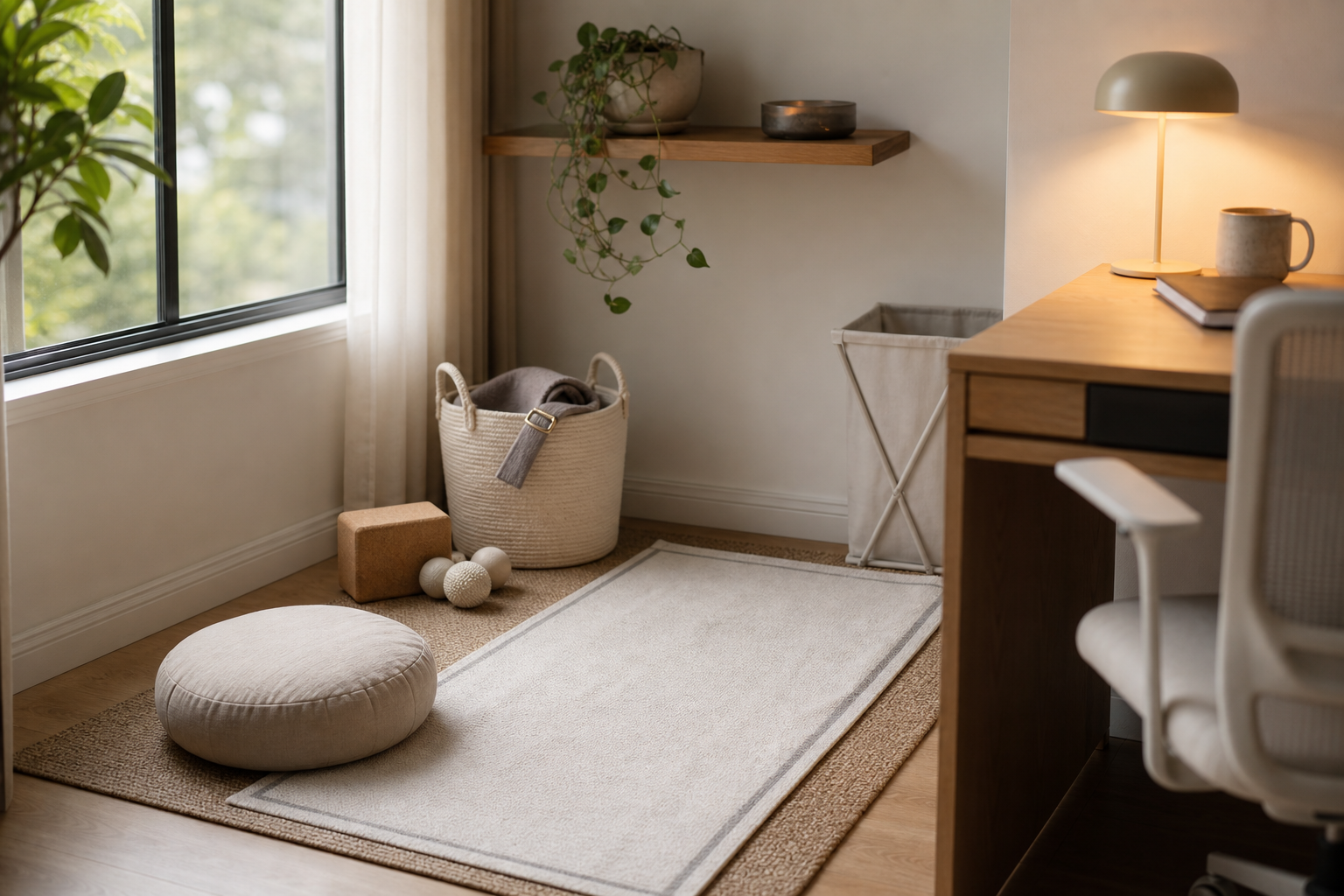
Featured image for: Write a practical guide on building a “micro-studio” corner at home specifically for smoother transitions between work mode and body mode, using layout psychology rather than motivation advice as the entry point. Open by describing how small environmental decisions — where a mat lives, where a light source sits, what objects are visible at eye level — can either invite or block spontaneous movement breaks, without framing the piece around beginners, late-night routines, or consistency struggles. Then walk the reader through a step-by-step reset of one overlooked space: choosing a corner, reducing visual clutter, adding one mobility-friendly surface, one calming sensory cue, and one grab-without-thinking accessory. Include guidance on selecting inexpensive, aesthetically simple items that feel pleasant enough to leave out daily, which creates a natural bridge to browsing affordable AliExpress home wellness accessories, storage solutions, floor cushions, soft lighting, and minimalist yoga props. As the piece unfolds, make it part movement design, part habit architecture, showing how the room itself can lower resistance before any stretch or flow begins. The takeaway should be that mobility habits are often shaped less by willpower than by spatial cues, and readers should finish with a clear blueprint for turning even a tiny apartment nook into a movement invitation. Close by encouraging them to evaluate their current space through three questions: what makes movement visible, what makes it easy to begin, and what makes it feel good to return to tomorrow.
Gear

Build a Tiny Home Movement Corner That Gets Used

Researchers who study environment and behavior often find that tiny cues shape a huge share of what we do each day. In real life, that means something simple: where your mat lives, where the light…
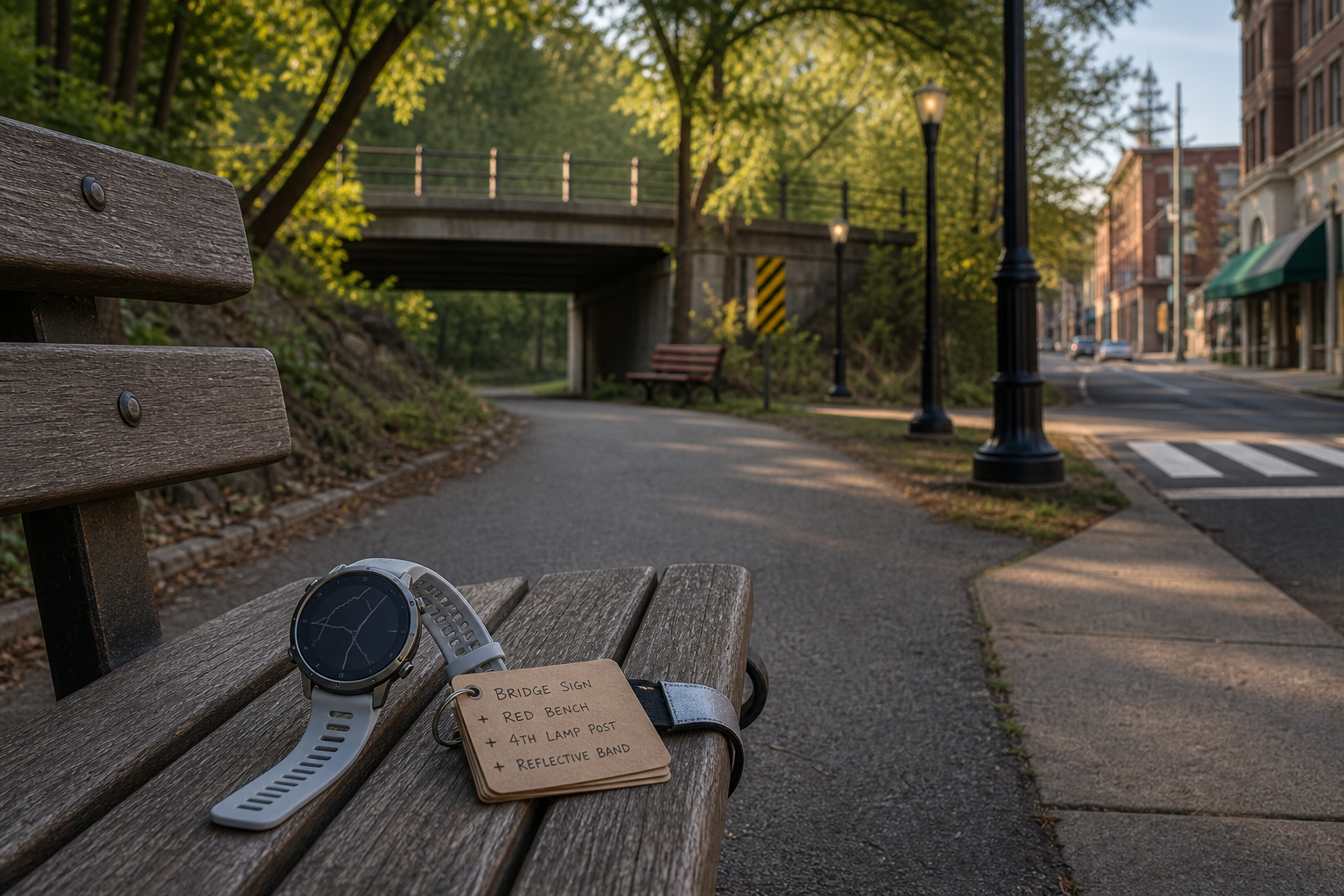
Featured image for: Write a practical guide on how runners can use landmark-based pacing when GPS pace is unreliable, especially on tree-covered paths, underpasses, crowded race starts, or older city streets. Open not with beginner nerves or race-day chaos, but with the familiar frustration of watching a watch lag while effort feels steady, then introduce the idea of building a 'visual pacing map' from benches, light poles, bridge markers, and storefronts. Walk the reader through how to scout a route once, note repeatable markers, and match them to effort targets for easy runs, tempo work, and 5K-pace intervals without drowning them in technical jargon. In the middle, show how this method helps both new runners and experienced racers stay calmer and more consistent because they stop outsourcing every decision to the screen on their wrist. Close with a simple mini-drill readers can try on their next 20-minute run: pick three landmarks, hold effort between them, then compare the result to their GPS afterward. The takeaway should be that pacing is a skill built through attention, not just electronics, and readers leave with a concrete method they can practice immediately. Tie in AliExpress naturally by suggesting affordable route-ready accessories like lightweight sport watches, clip-on timers, reflective bands, or compact note tags that support the system without making the post feel like a gear roundup.
Sports

How to Pace Without Trusting Your GPS

Your watch lies more often than most runners want to admit. If your effort feels smooth but your pace screen keeps jumping from “too slow” to “way too fast,” the problem is often not your…
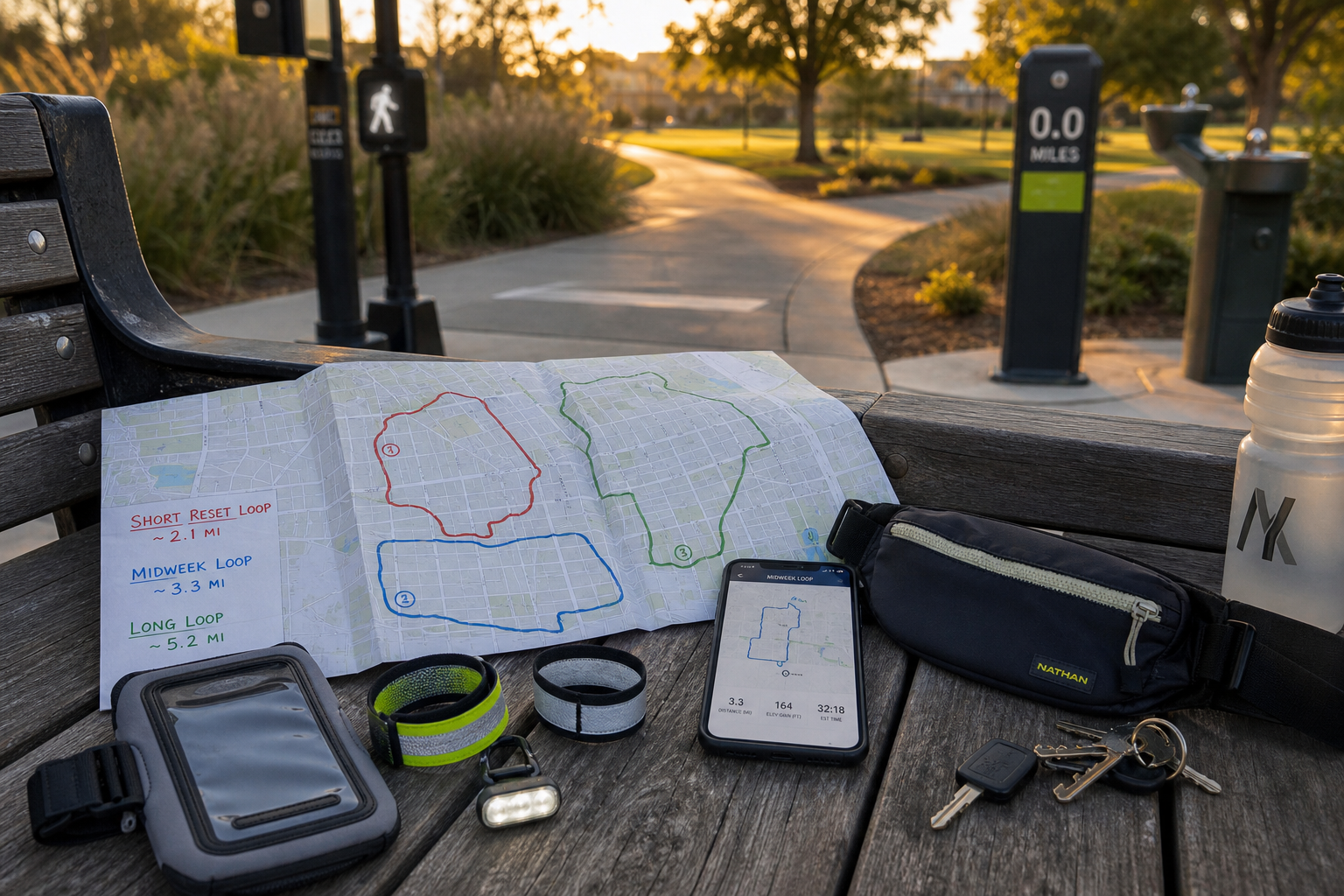
Featured image for: Write a practical guide on how beginners can use route design—not speed work—to make weekday runs feel easier and more consistent, focusing on the overlooked skill of mapping “decision-light” 5K loops. Open by naming a common problem that is different from race nerves or pacing errors: people skip runs because the route itself creates too many friction points, from traffic stops to awkward turnarounds to poorly lit stretches. Then walk the reader through a simple method for building three reliable routes—a short reset loop, a steady midweek loop, and a confidence-building long loop—using landmarks, elevation, surface changes, and bailout options rather than splits or heart-rate data. Include specific criteria for what makes a route beginner-friendly, such as predictable crossings, easy distance markers, water access, and mental checkpoints that reduce mid-run negotiating. The piece should unfold as a coaching framework Marcus can teach to couch-to-5K runners, showing how smart route structure quietly improves pacing, adherence, and endurance without making the post feel like another pacing lesson. The takeaway should be a repeatable checklist readers can use this weekend to audit or redesign their own neighborhood runs in under an hour. Tie in AliExpress naturally through affordable route-building accessories like reflective bands, compact phone holders, clip-on lights, or simple waist packs that support safer, lower-friction runs without turning the article into a gear roundup.
Workouts

How to Build 5K Loops That Make Weekday Runs Easier

Do you keep skipping weekday runs not because you’re out of shape, but because the route itself is annoying? If your usual loop has too many traffic stops, awkward turnarounds, dark stretches, or…
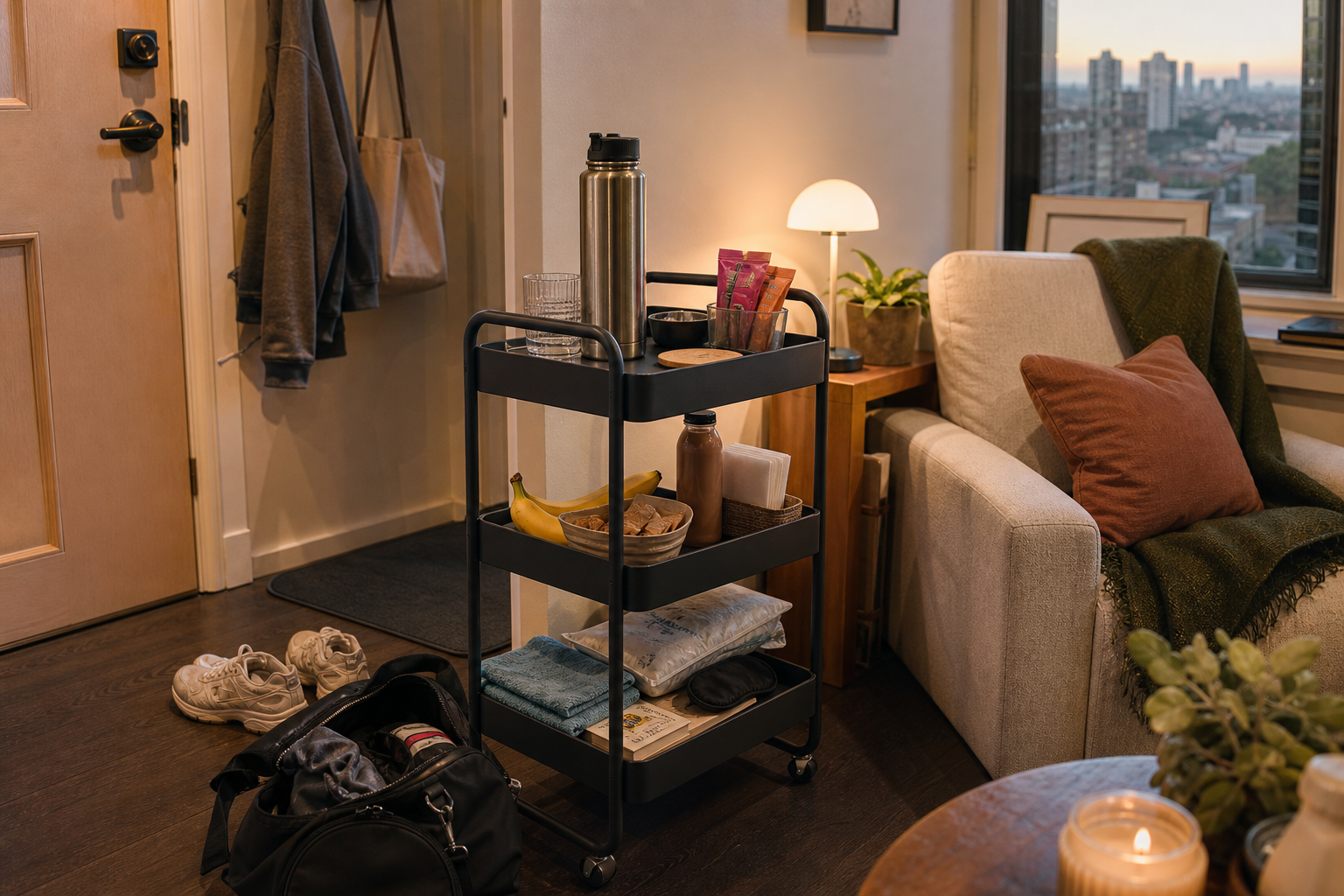
Featured image for: Write a practical guide built around the overlooked recovery bottleneck of 'friction after training' rather than protein totals or budget shopping. Open with a scene of someone getting home from a workout and losing their recovery window not because they lack discipline, but because they have to assemble too many tiny things at once: a snack, fluids, a place to sit, a way to cool down, and a cue to slow their nervous system. Then walk readers through creating a compact 'recovery station' at home with zones for hydration, easy carbs plus protein, heat or cold options, and sleep-supportive wind-down items, explaining why each piece reduces decision fatigue and improves follow-through. Keep the voice rooted in Priya's dietitian expertise by connecting environment design to actual recovery behaviors, including how setup affects refueling, rehydration, and evening sleep quality. Include a small-space and low-cost version so it feels doable for apartment dwellers or anyone who doesn't want a full wellness corner. The takeaway should be a repeatable blueprint readers can assemble in under an hour to make recovery the default instead of another task on the list. AliExpress ties in naturally through affordable organizers, insulated bottles, mini shelving, soft lighting, cooling towels, and other simple accessories that help turn the station into a functional system rather than a pile of good intentions.
Recovery

How to Build a Recovery Station That Actually Gets Used

I’d love to tell you I glide home from a workout, sip water gracefully, and enter a perfectly regulated recovery state. In reality, if I have to find a cup, decide on a snack, clear a chair, and…
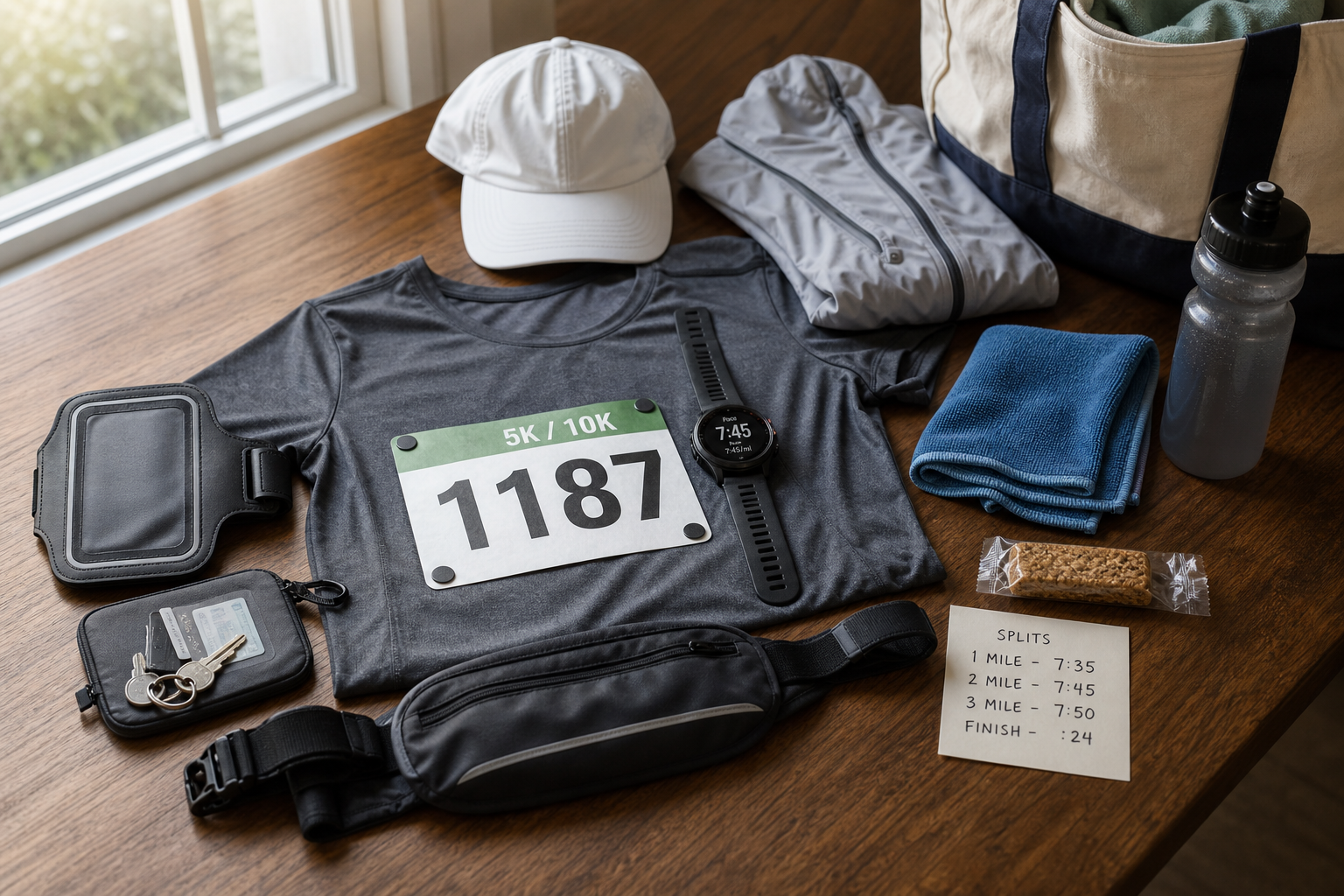
Featured image for: Write a practical guide on building a low-stress race-day pacing kit for crowded local 5Ks and 10Ks, focusing not on shoes or training plans but on the tiny logistics that keep a runner calm and on target. Open with the overlooked problem: many beginners lose pace before mile one because they start frazzled by bib pins, watch visibility, weather shifts, and carrying essentials, not because they are undertrained. Then walk the reader through a category-by-category setup—visibility gear, sweat-resistant storage, lightweight layers, cheap timing aids, and post-finish recovery extras—showing how each item supports smoother pacing decisions during the race. Include guidance on choosing budget-friendly accessories that solve one clear problem each, rather than buying flashy gear with no race-day function. The piece should unfold like a checklist the reader can assemble over a week, ending with a simple ‘night-before and morning-of’ system that removes decision fatigue. The takeaway is that pacing is easier when the environment around the runner is controlled, and that smart preparation starts with affordable, functional tools. Tie in AliExpress naturally by highlighting its strength in inexpensive running accessories, organizers, caps, belts, and weather-flexible add-ons that help newer runners build a complete race kit without overspending.
Gear

How to Build a Low-Stress Race-Day Pacing Kit

The mistake I see first is simple: a lot of beginners lose their pace before mile one because they start frazzled. It’s usually not fitness that trips them up in a crowded local 5K or 10K—it’s bib…
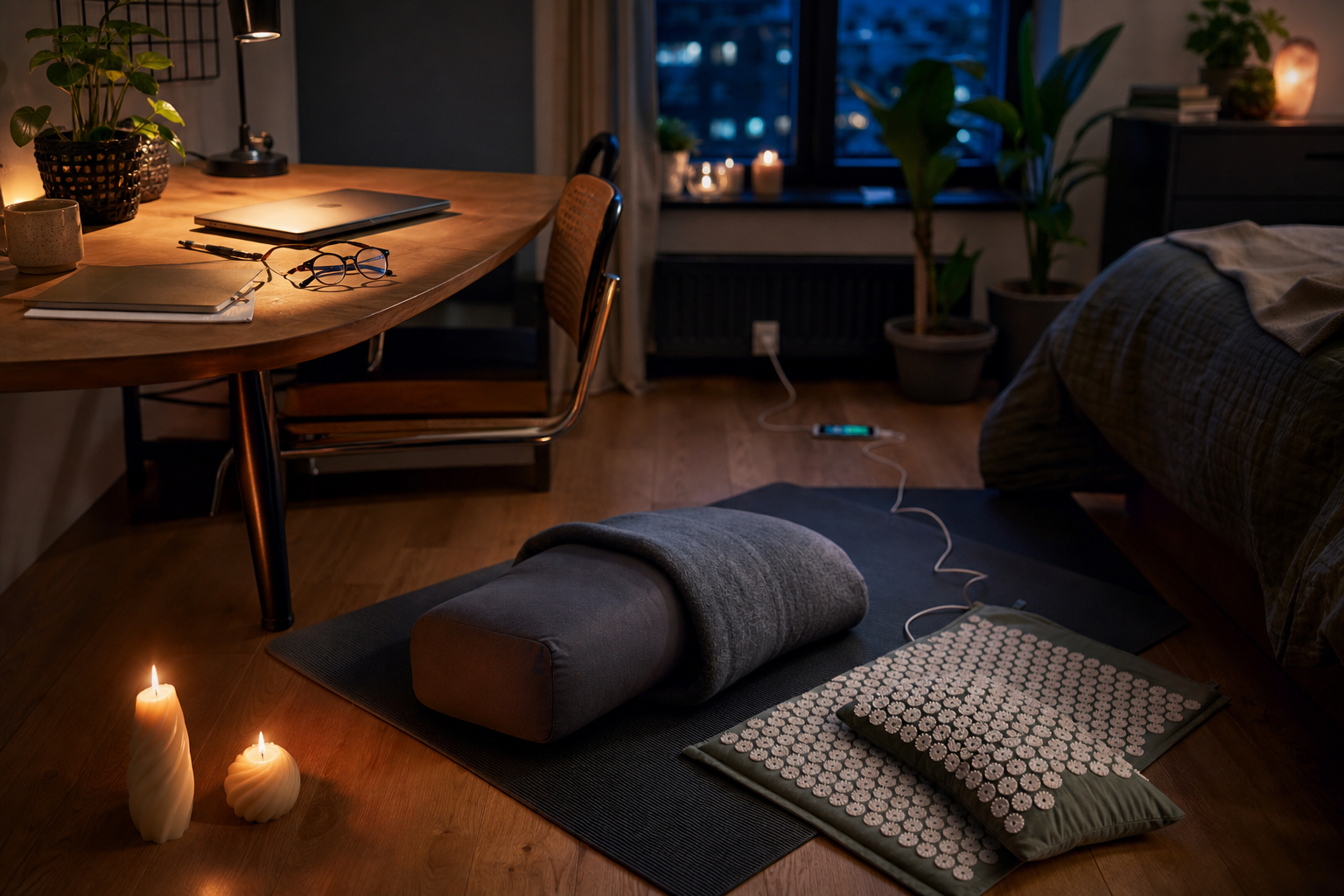
Featured image for: I want to write an experience-driven post about building a realistic late-night mobility ritual for night owls who finish work or study with a buzzing brain and zero motivation. The piece would walk through my own experiment of using a 10-minute wind-down sequence—gentle yoga, breathwork, and a tiny habit cue—to feel less stiff after long evening desk sessions, with honest notes on what actually made me stick with it when discipline was low. Readers would get a practical, beginner-friendly framework for turning late-night movement into a calming consistency tool rather than another intimidating fitness goal.
Mindset

I Tried a 10-Minute Late-Night Mobility Ritual

I’m a night owl, which means my brain tends to feel most awake right when my body feels most done. After a late evening of writing, lesson planning, or answering messages, I usually stand up from my…
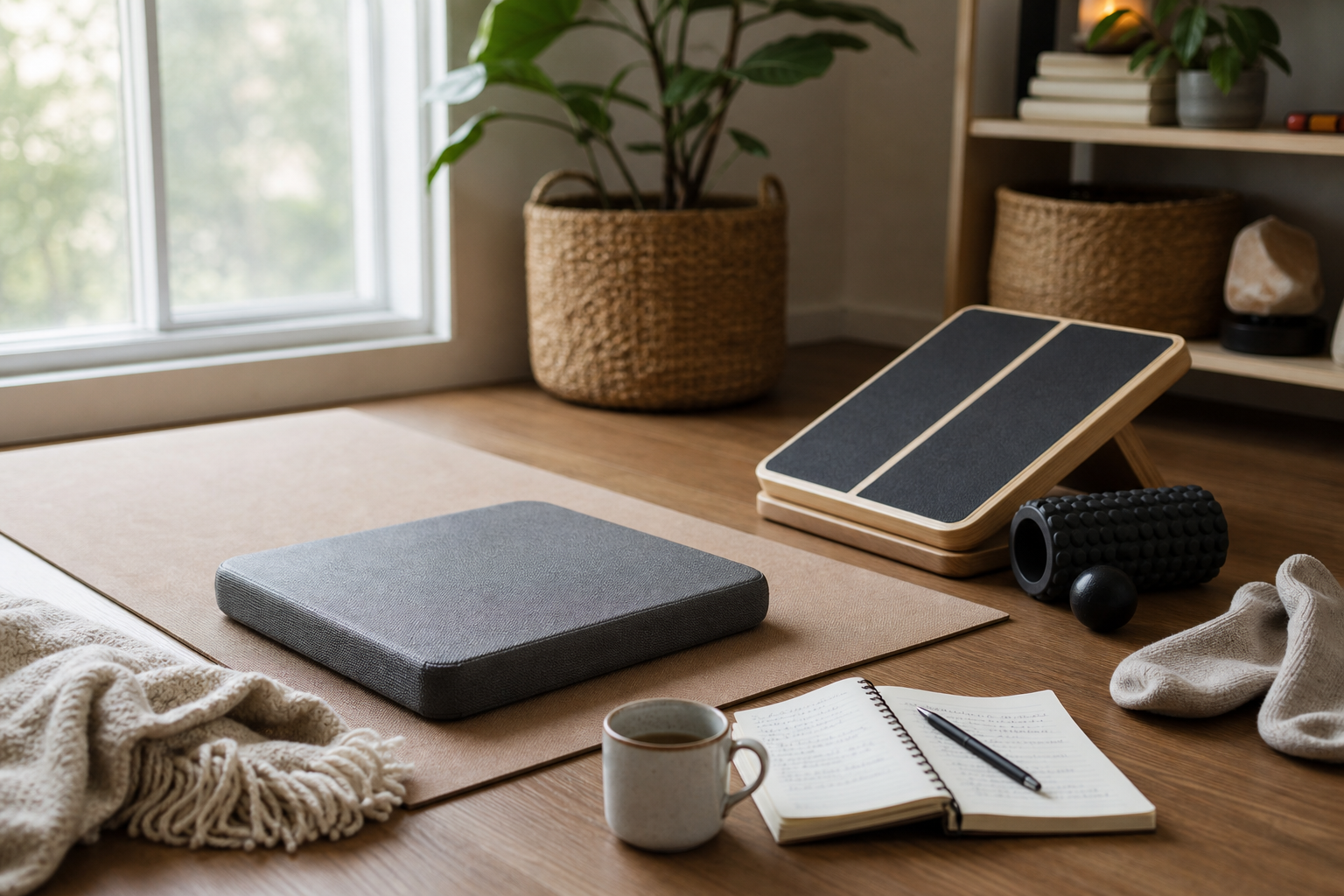
Featured image for: A roundup of underrated mobility and yoga tools that quietly make consistency easier for beginners who never seem to stick with a routine. The post would focus on hidden-gem products beyond the usual mat-and-block recommendations, explaining how each one supports small daily habits, reduces friction, and helps people keep moving even when motivation is low. Sofia can frame it through her mindset-and-habits lens, highlighting overlooked essentials that make a 5-minute reset feel realistic instead of overwhelming.
Mindset

5 Underrated Mobility Tools That Make Showing Up Easier

I teach a lot of beginners, and the issue usually is not knowledge. It’s friction. If getting on the mat feels like a whole production, even a kind, reasonable 5-minute reset can start to feel oddly…
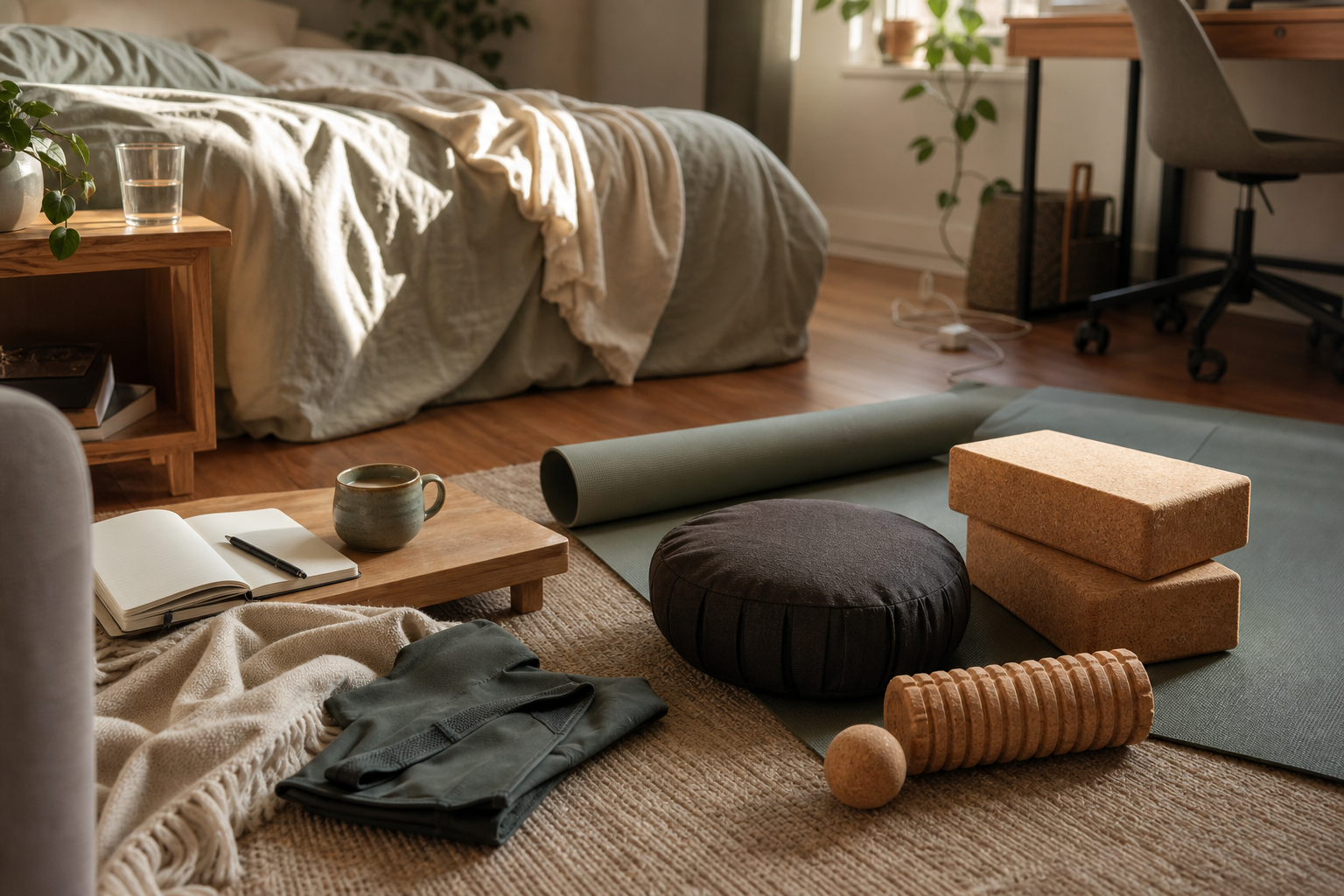
Featured image for: A roundup of beginner-friendly mobility tools and yoga props that make it easier to keep showing up on low-motivation days. The post would be framed around Sofia’s habit-focused approach: not the fanciest gear, but the items that reduce friction, support short at-home sessions, and help newcomers build a consistent mind-body routine without perfectionism. It would blend practical recommendations with personal guidance on how each tool fits into a 5-to-15-minute reset for stiff mornings, work breaks, or evenings when energy is low.
Mindset

5 Low-Effort Props That Help

I teach a lot of beginners who assume consistency comes from motivation. In real life, it usually comes from making the next session ridiculously easy to start. On low-energy days, I’m not looking…
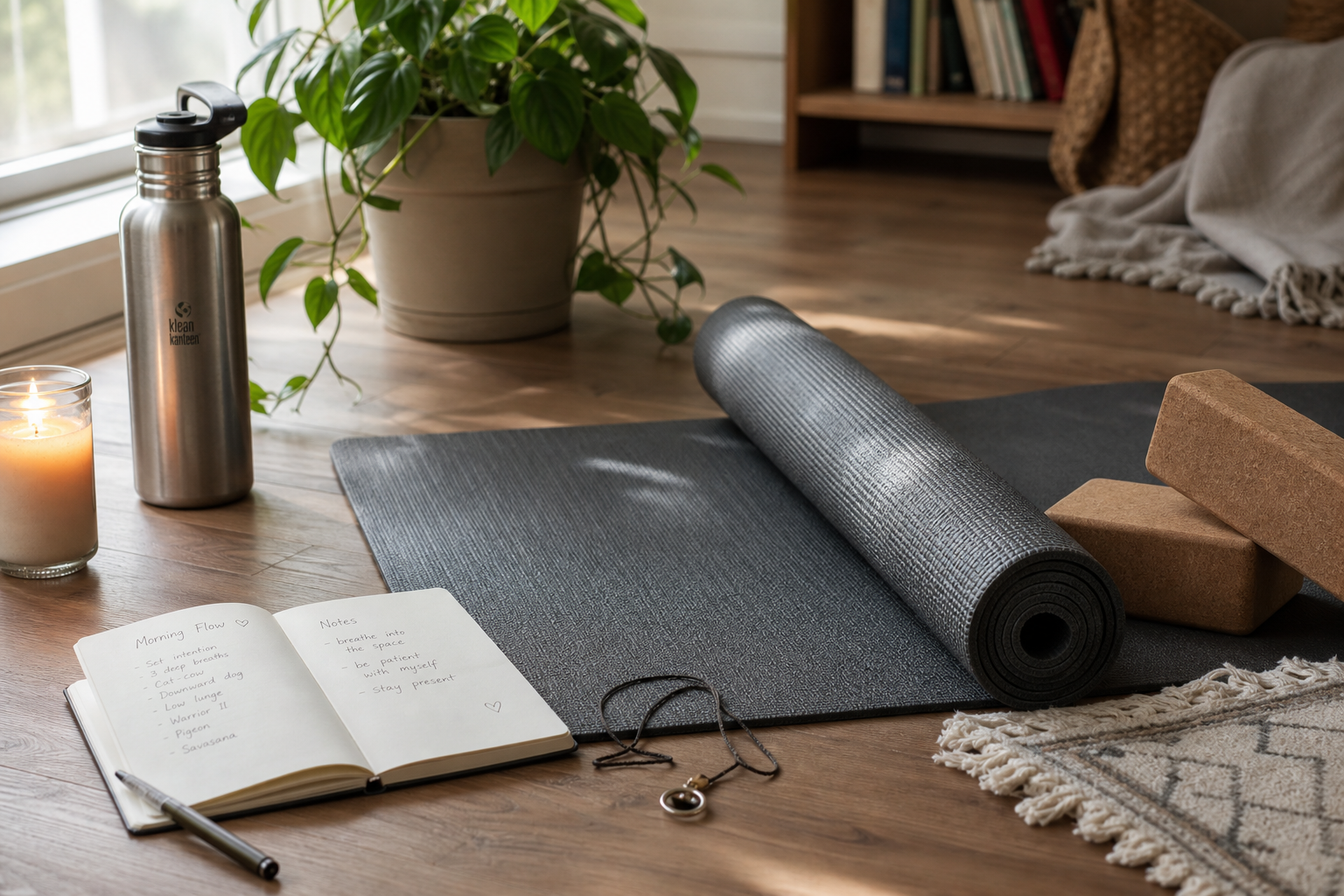
Featured image for: The Best Yoga Gifts for Beginners Who Struggle to Stay Consistent: An Honest Review of Motivation-Friendly Essentials
Gear

The Best Yoga Gifts for Beginners Who Struggle to Stay Consistent: An Honest Review of Motivation-Friendly Essentials

I teach a lot of beginners, and the pattern is almost always the same: they do great for a week, miss a few days, then quietly decide they are “bad at consistency.” I don’t think most people need…
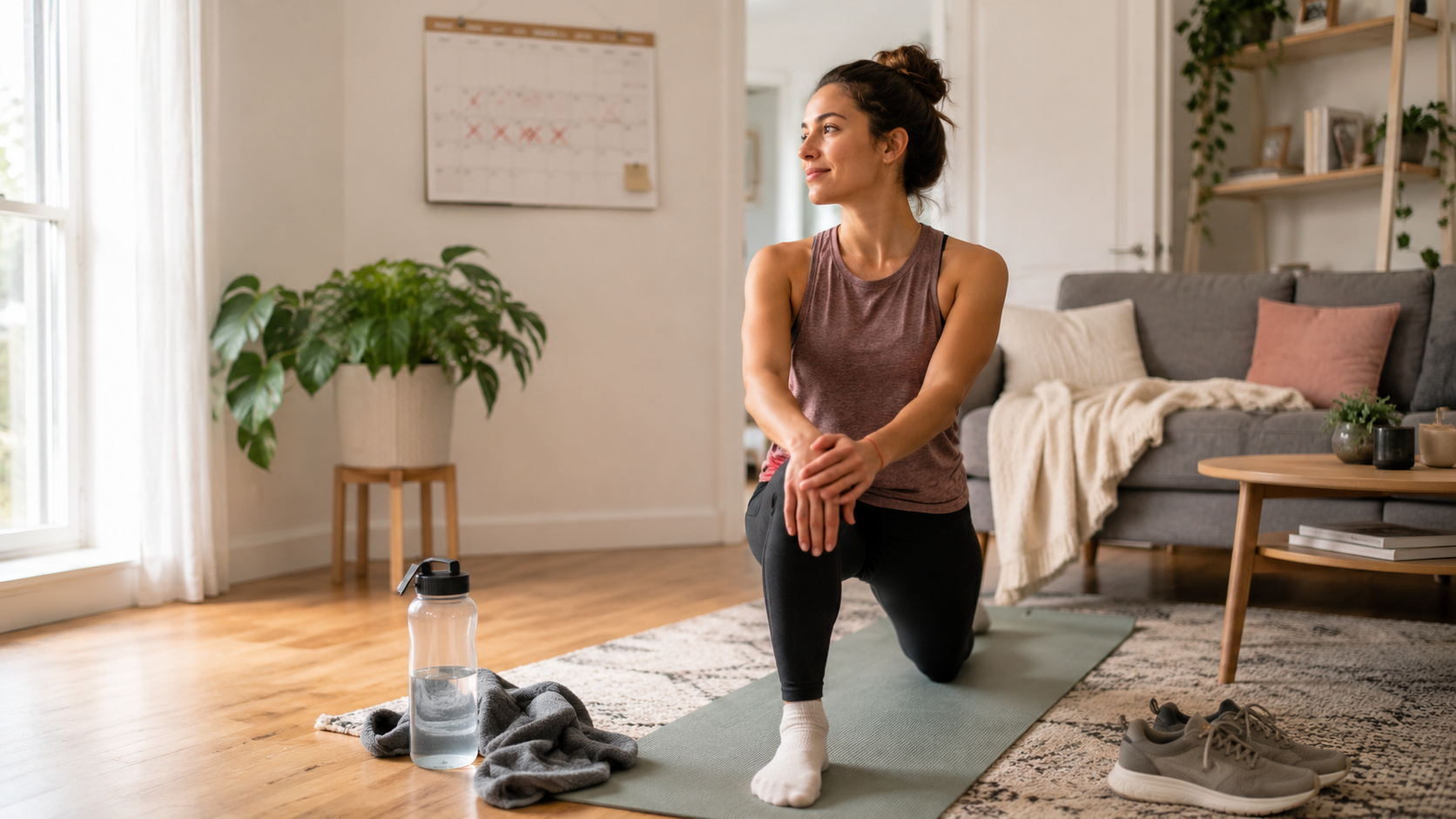
yoga image
Mindset

How to Stop "All or Nothing" Thinking About Fitness

One skipped workout doesn't erase your progress — but the story you tell yourself about it might. A gentler framework for the days you fall off.

One good fitness find, every week.

No spam, no hard-sell. Just our best beginner-friendly reads, tested gear and recovery tips — straight to your inbox.

Mindset | Daily Fitness Finds