5 Low-Effort Props That Help
I teach a lot of beginners who assume consistency comes from motivation. In real life, it usually comes from making the next session ridiculously easy to start. On low-energy days, I’m not looking…
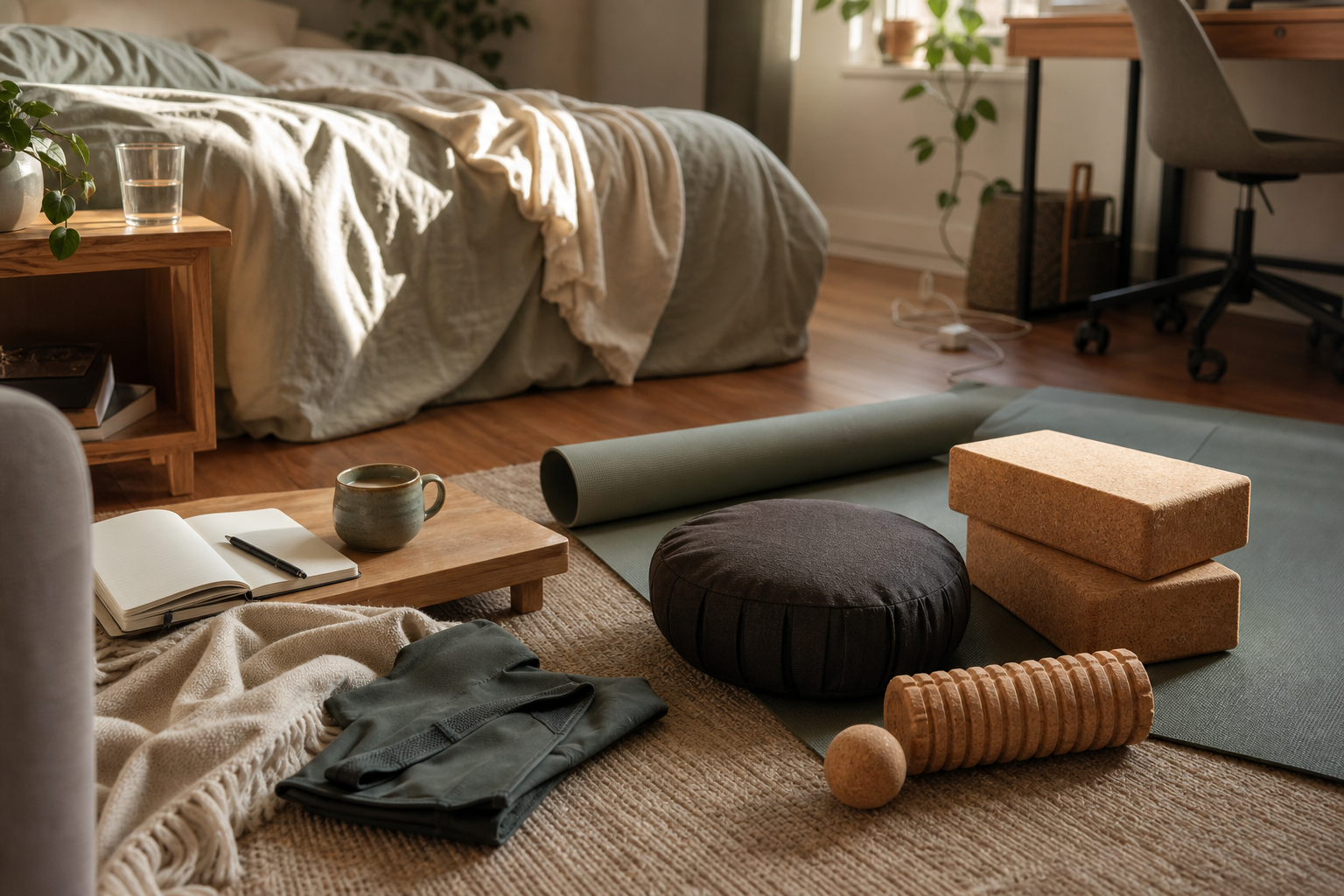
I teach a lot of beginners who assume consistency comes from motivation. In real life, it usually comes from making the next session ridiculously easy to start. On low-energy days, I’m not looking for impressive gear. I want tools that reduce friction, feel approachable, and support a 5-to-15-minute reset I can do before coffee, between emails, or right before bed.
That’s the lens for this list: not the fanciest setup, but the beginner-friendly mobility tools and yoga props that make it easier to keep showing up. If you tend to fall into the “I missed one day, so I’m off track” spiral, my post on how to stop "all or nothing" thinking about fitness pairs nicely with this roundup. The goal here is simple: make your routine feel so doable that you can begin even when motivation goes missing.
Cork Yoga Blocks for Instant Support
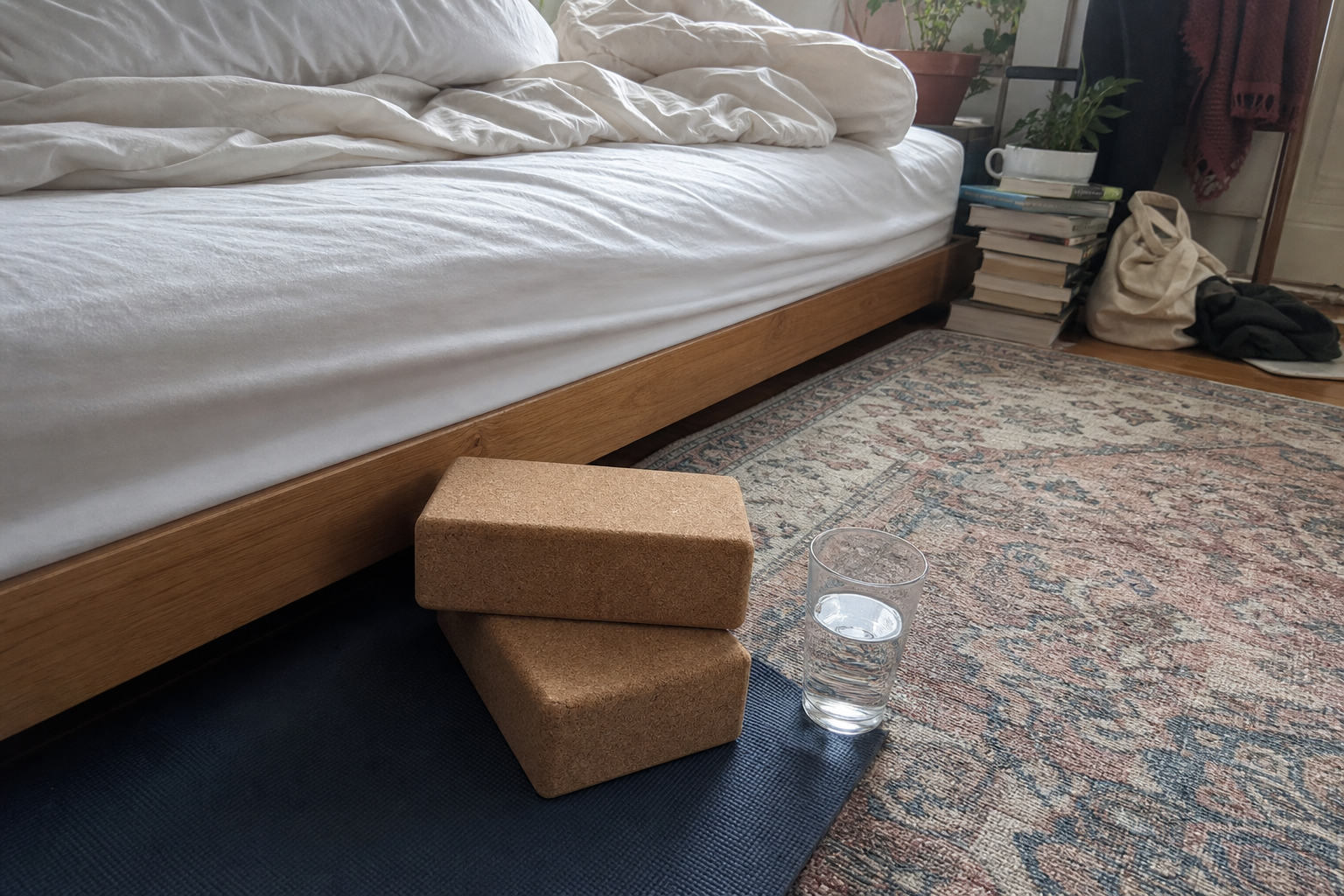
A good pair of cork yoga blocks can make yoga feel less like a flexibility test and more like actual support. I love blocks for beginners because they bring the floor closer. That means less straining in forward folds, more comfort in low lunges, and a much gentler entry into poses that might otherwise feel out of reach on tired days.
For a 5-minute morning reset, I’d use blocks under my hands in a standing fold, then under my hips for a supported seat, and finally under my upper back for a chest opener. That tiny sequence can make stiff mornings feel much less dramatic. Blocks are also one of my favorite giftable basics, which is why I included them in my beginner-friendly yoga gift guide.
A Grippy Mat That Removes Excuses
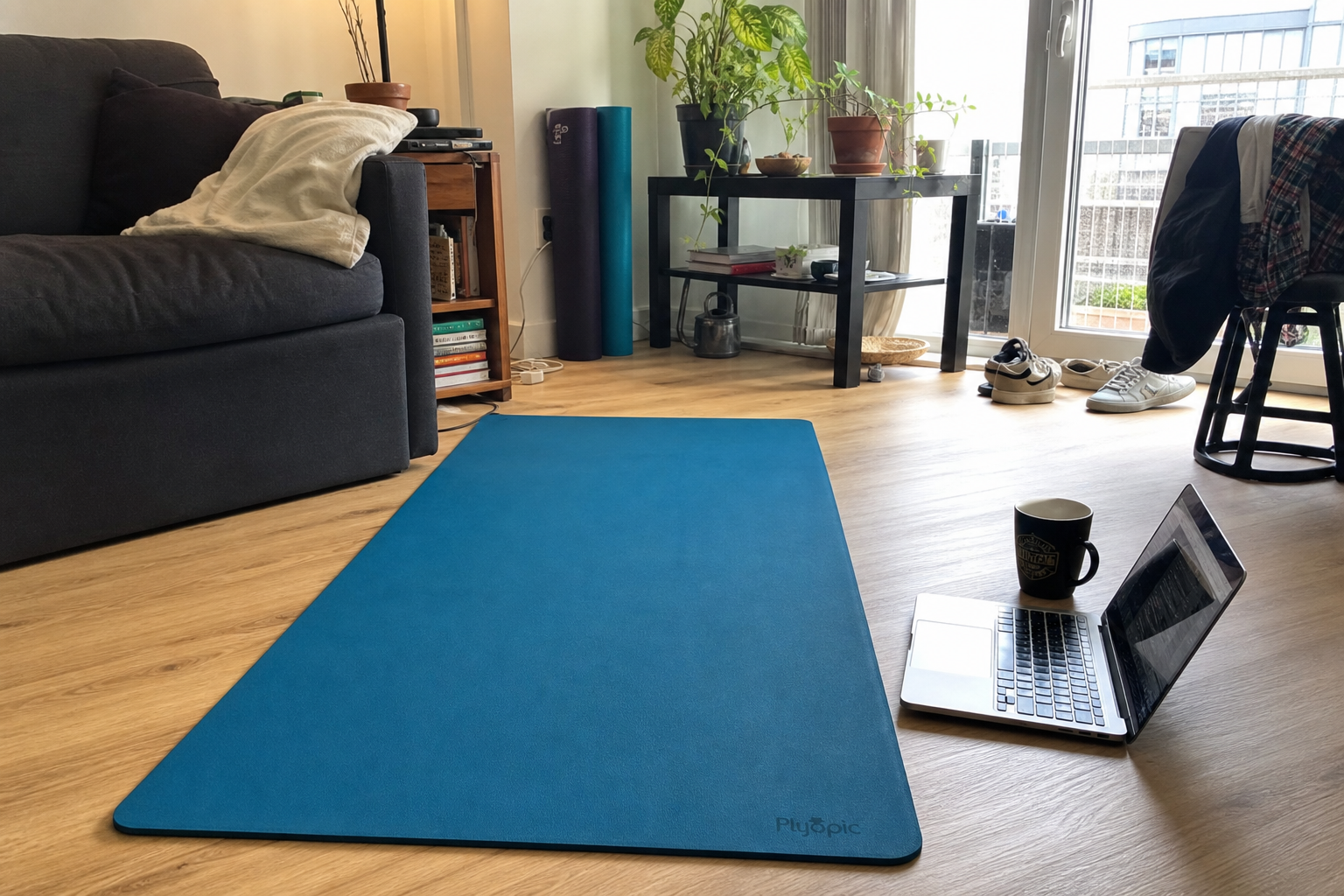
If your mat slides, bunches, or feels unpleasant under your knees, you’ll notice it every single session. That’s why a comfortable, grippy yoga mat matters more than people think. I’m especially into mats with alignment lines for beginners because they offer quiet visual guidance without turning practice into perfectionism. You don’t need to line up like a machine, but having a reference point can make short home sessions feel less chaotic.
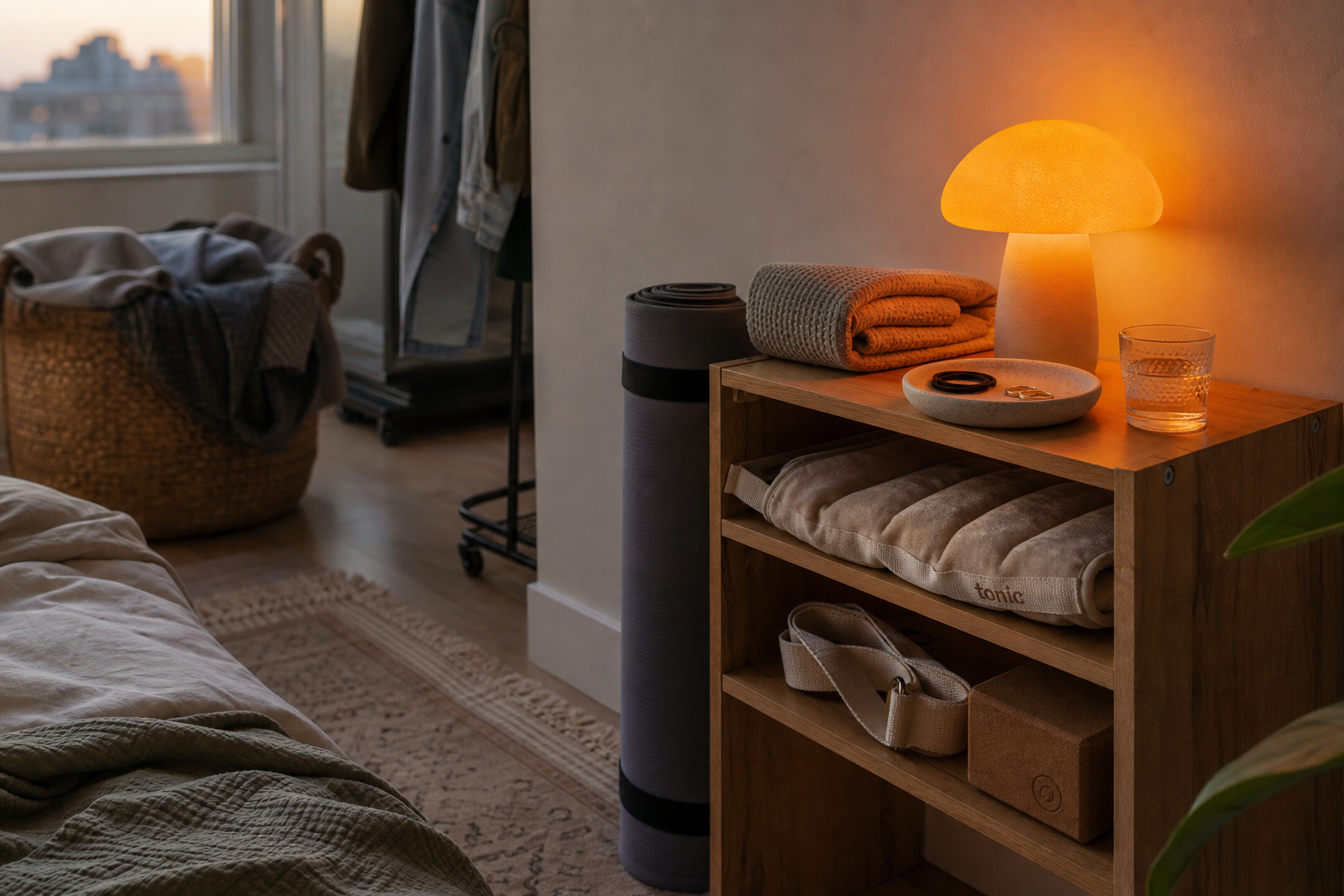
On a low-motivation evening, I’ll often just roll the mat out and promise myself three shapes: cat-cow, child’s pose, and a gentle down dog or puppy pose. Once the mat is already there, starting feels easier. That’s the real benefit: a mat becomes a cue. It says, “We’re doing the five-minute version today,” and that still counts.
A Fascia Roller Set for Desk-Break Mobility
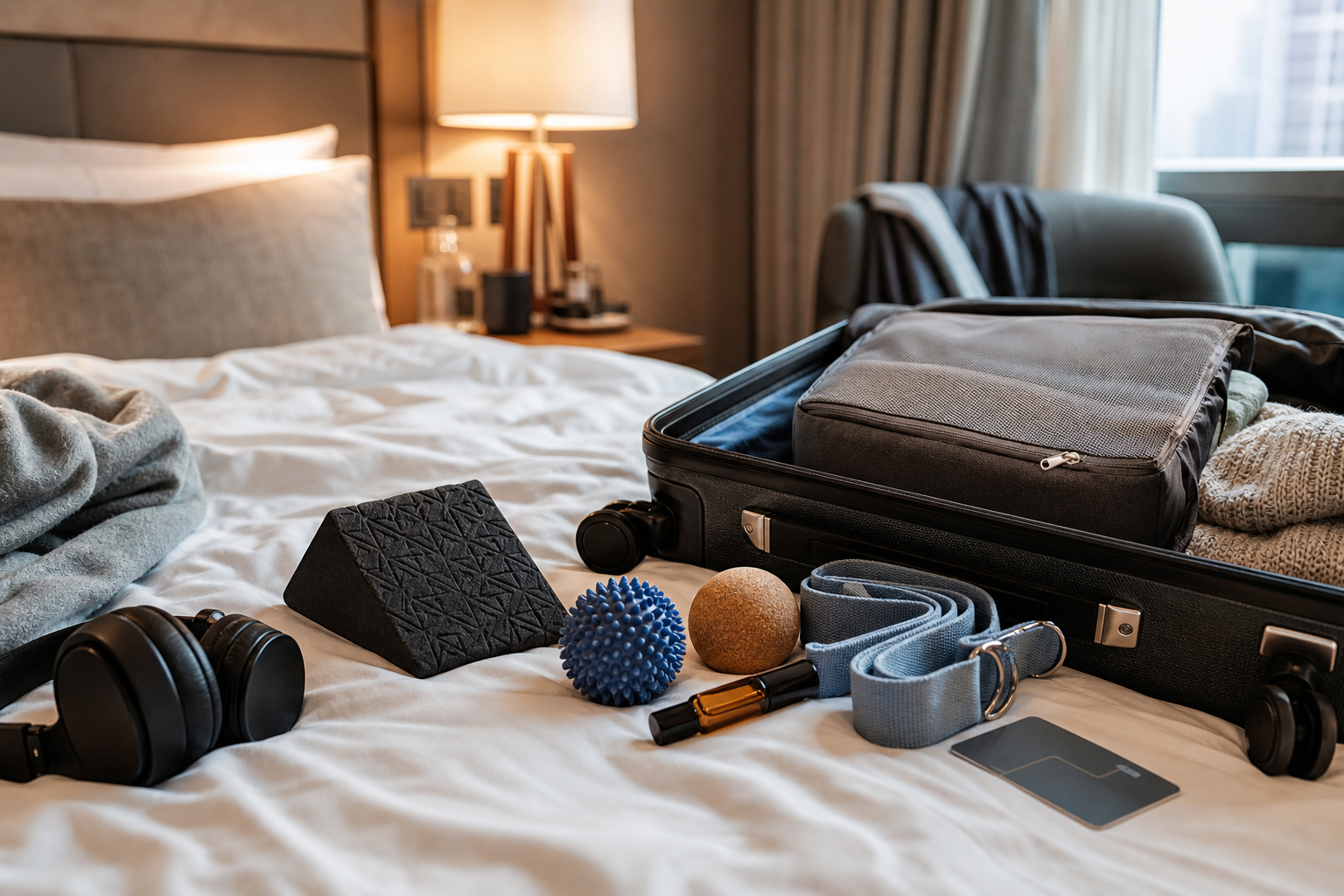
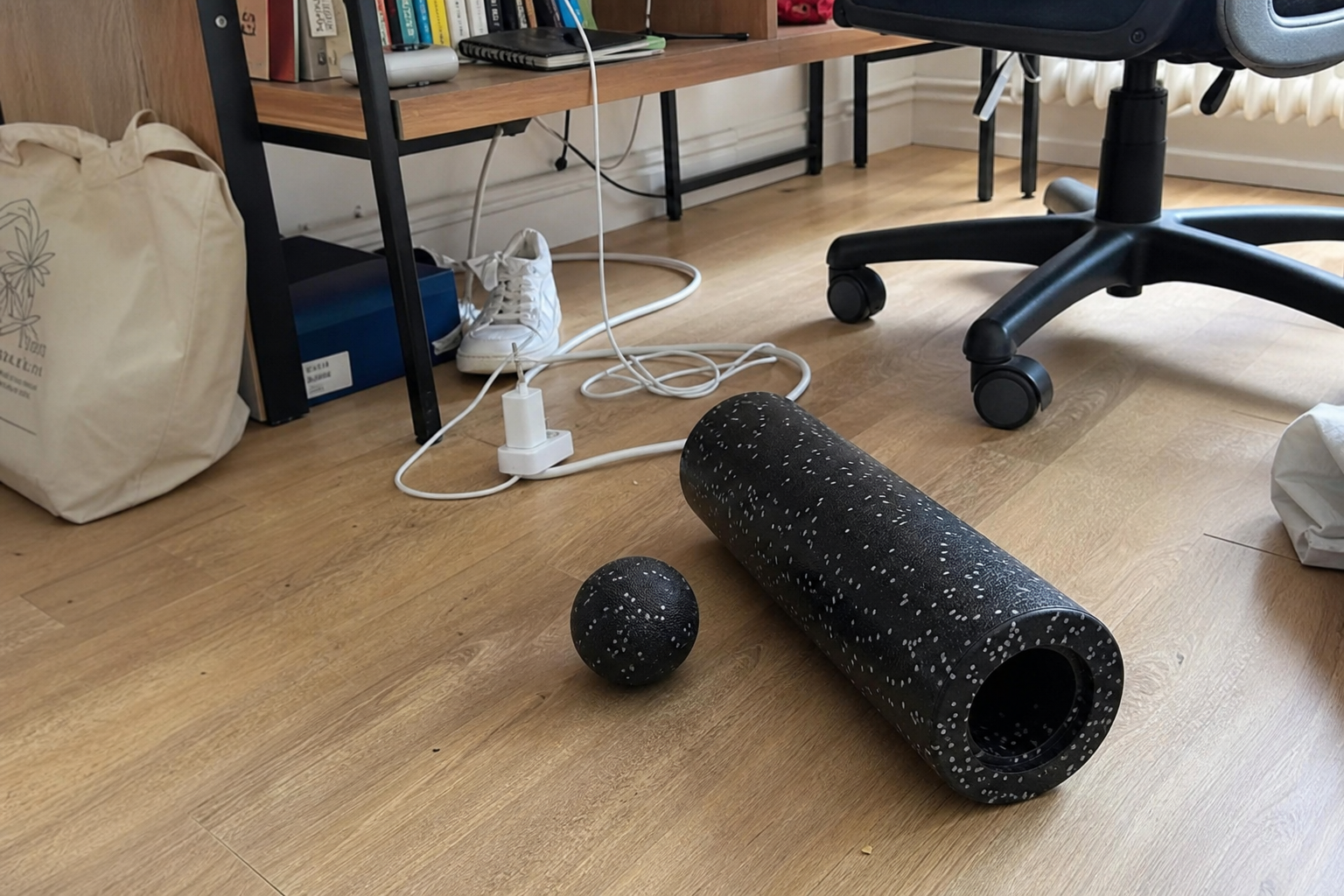
I’m careful with recovery tools because more intensity is not always better, especially for beginners. But a fascia roller set can be genuinely useful when you treat it like a gentle nudge instead of a punishment device. A peanut massage ball or smaller roller works especially well for the upper back, glutes, calves, and the bottoms of tired feet after a long day.
My favorite habit-friendly way to use it is during a work break: one minute on the calves, one minute on the glutes, one minute opening the chest with a few shoulder rolls afterward. That’s enough to shift how your body feels without turning it into a whole production. If the set includes vibration, I’d still start on the lightest setting and keep sessions short until you know what feels supportive.
A Meditation Cushion for Short Resets
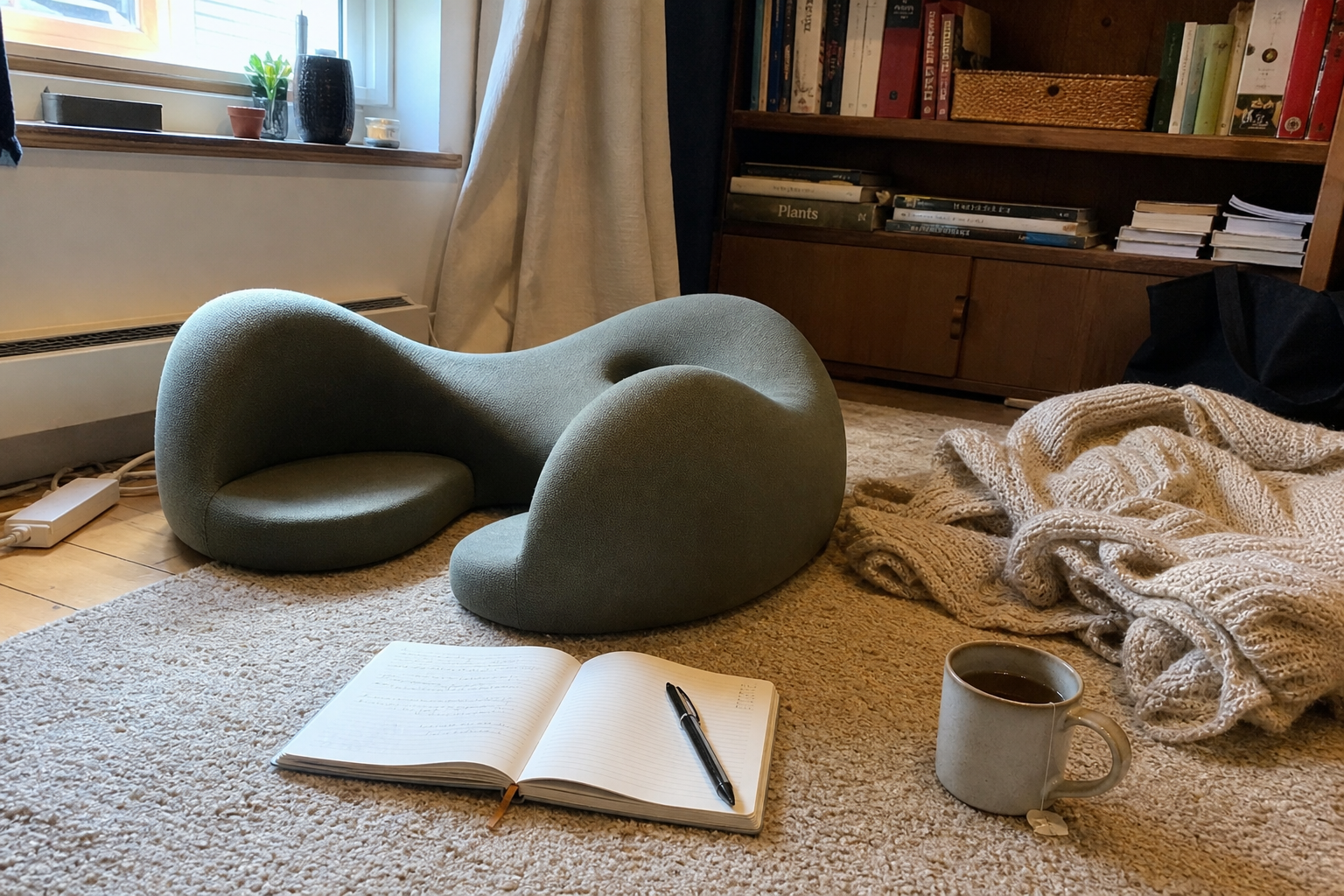
Not every mind-body routine has to begin with movement. Sometimes the best way to keep the habit alive is to make stillness more comfortable. A meditation seat cushion can help if sitting cross-legged on the floor feels distracting on your hips, knees, or low back. When your seat is more comfortable, it becomes much easier to actually stay for five slow breaths instead of popping right back up.
I use a cushion for simple evening resets: sit tall, inhale for four, exhale for six, then add a neck stretch or seated twist. That combination lands beautifully after a long screen-heavy day. If journaling helps you stay consistent, this is also a lovely cue for a two-minute check-in: “How do I feel, and what would feel supportive tonight?”
Comfortable Leggings You’ll Actually Wear
This one may sound less profound, but habit-building lives or dies on little bits of friction. If you have one pair of comfortable yoga leggings that feel soft, stretchy, and easy to move in, you’re more likely to do the quick session instead of talking yourself out of changing clothes.
I’m not including these for aesthetics. I’m including them because “I don’t want to change” is a very real barrier on low-motivation days. Keeping a comfortable pair ready for a 10-minute stretch, a few rounds of breathwork, or a bedtime mobility flow can quietly make consistency easier. Choose comfort over pressure. If an outfit makes you self-conscious or distracted, it’s not helping the habit.
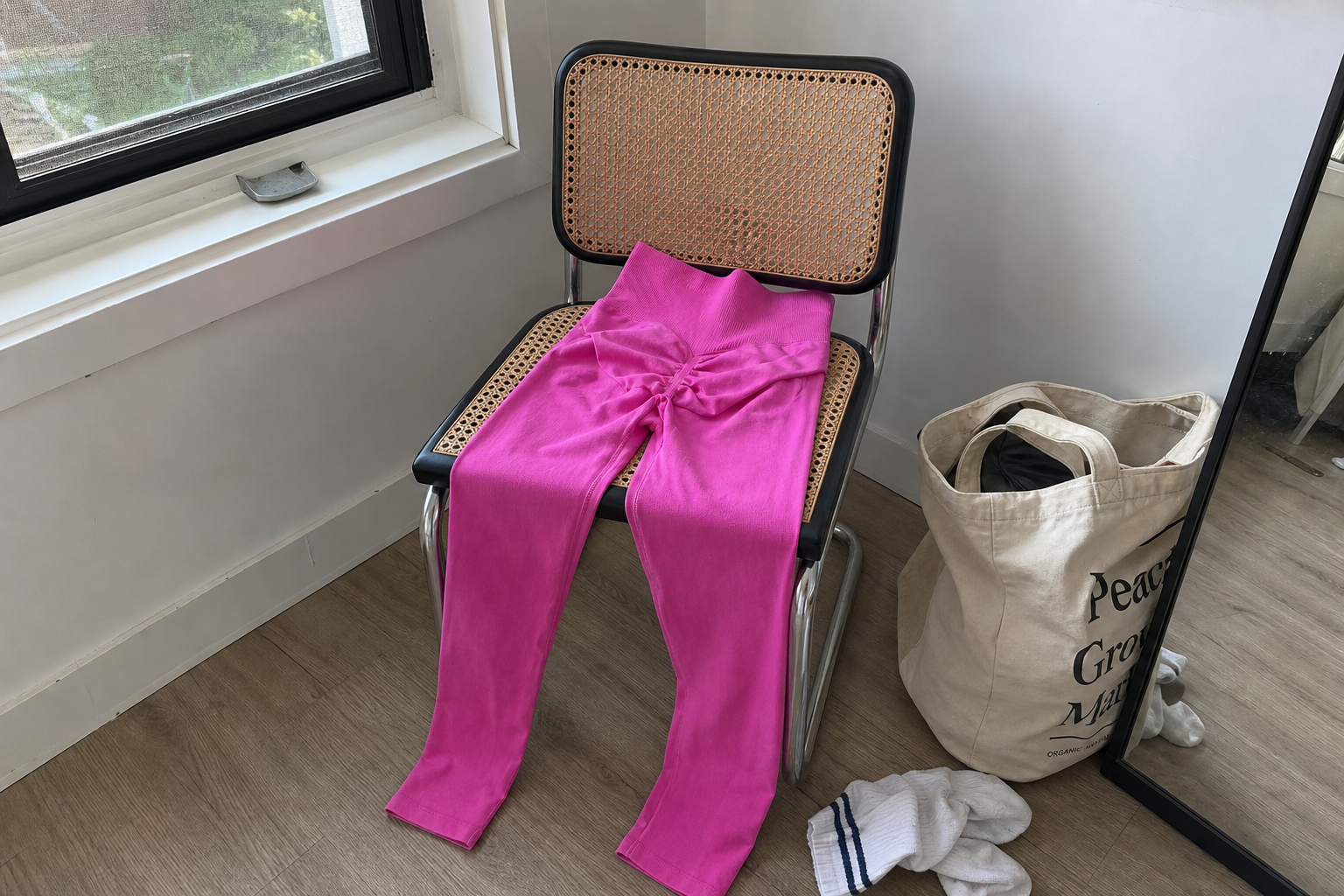
If you’re new to mobility and yoga, my honest recommendation is to start with the basics that remove the most friction: a mat, a pair of blocks, and one cue that helps you begin, whether that’s leggings laid out the night before or a cushion waiting in the corner of your room. You do not need a perfect setup. You need a setup that makes the five-minute version feel easy.
That’s the habit I come back to again and again: lower the bar, keep the ritual alive, and let consistency grow from there. On the days motivation disappears, the best tools are the ones that help you show up anyway.