I Tried a 10-Minute Late-Night Mobility Ritual
I’m a night owl, which means my brain tends to feel most awake right when my body feels most done. After a late evening of writing, lesson planning, or answering messages, I usually stand up from my…
I’m a night owl, which means my brain tends to feel most awake right when my body feels most done. After a late evening of writing, lesson planning, or answering messages, I usually stand up from my desk with tight hips, a grumpy upper back, and that wired-tired feeling that makes sleep harder than it should be.
So I tried a 10-minute wind-down mobility ritual for three weeks. My goal wasn’t to become more disciplined or suddenly turn into the kind of person who does a full nighttime yoga flow at 9:30 p.m. I just wanted a realistic way to feel less stiff and give my buzzing brain somewhere gentler to land.
If you’ve ever finished work or studying late and felt like every wellness routine on the internet expected way more energy than you actually had, this experiment was very much for us.
Why I tried it
I teach a lot of beginners, and one pattern shows up constantly: people assume consistency has to feel impressive. But late at night, impressive is usually the exact wrong target. Late-night movement only stuck for me when it felt smaller, softer, and easier to begin than scrolling on my phone.
I’d already written about this in How to Stop "All or Nothing" Thinking About Fitness, and this experiment ended up being a practical test of that idea. Could I make mobility feel like a calming cue instead of another task to achieve?
I also knew I needed some environmental help. On evenings when my screen time ran long, slipping on a pair of anti-blue-light glasses gave me a simple “work mode is ending” cue. They weren’t magic, but they helped create a bridge between laptop brain and bedtime brain, which mattered more than I expected.
What I did for three weeks
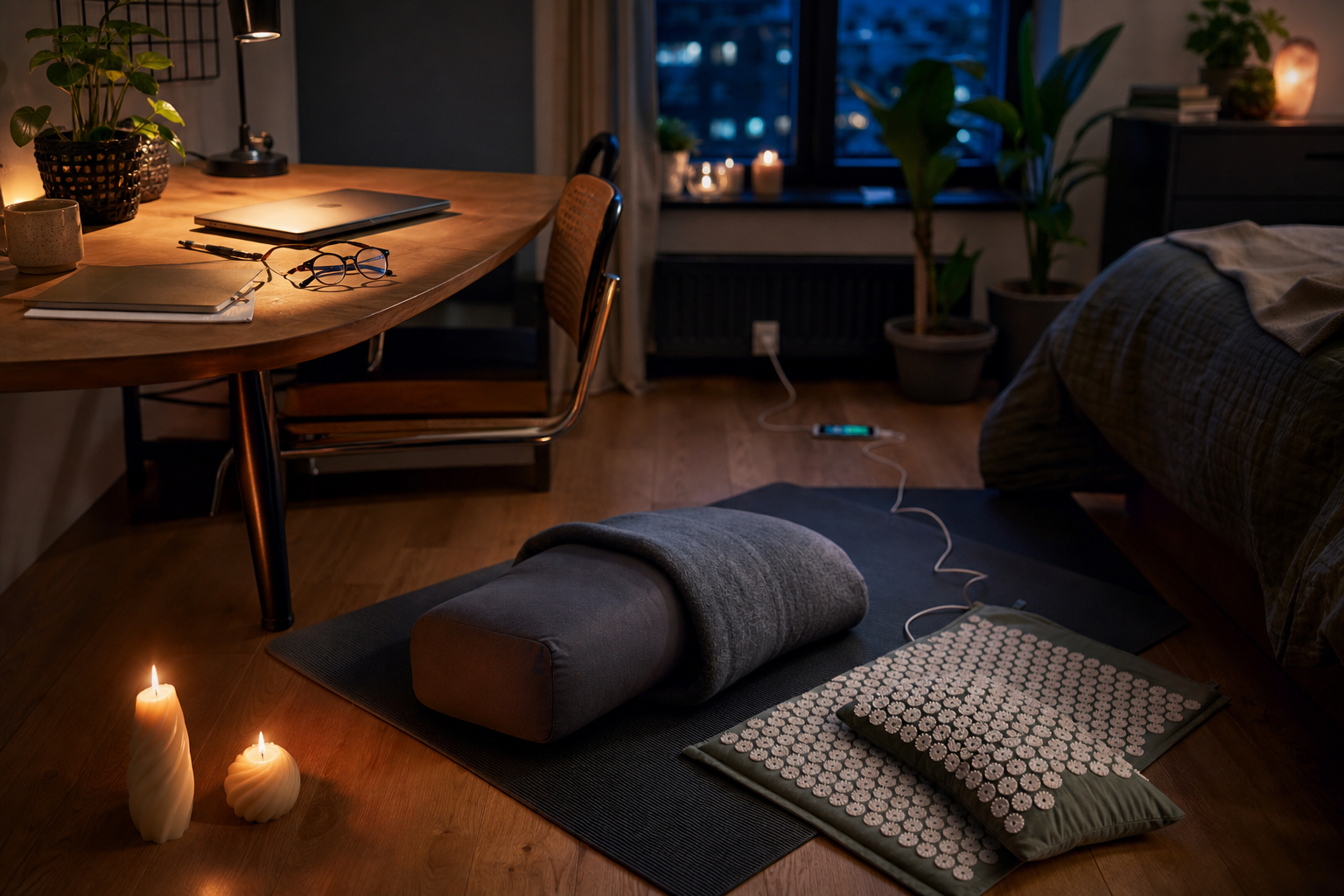
I kept the sequence to ten minutes max and attached it to one tiny habit cue: when I closed my laptop, I put my phone on the charger across the room and unrolled my mat before doing anything else. That mattered. If I sat back down “for just a minute,” the ritual usually didn’t happen.
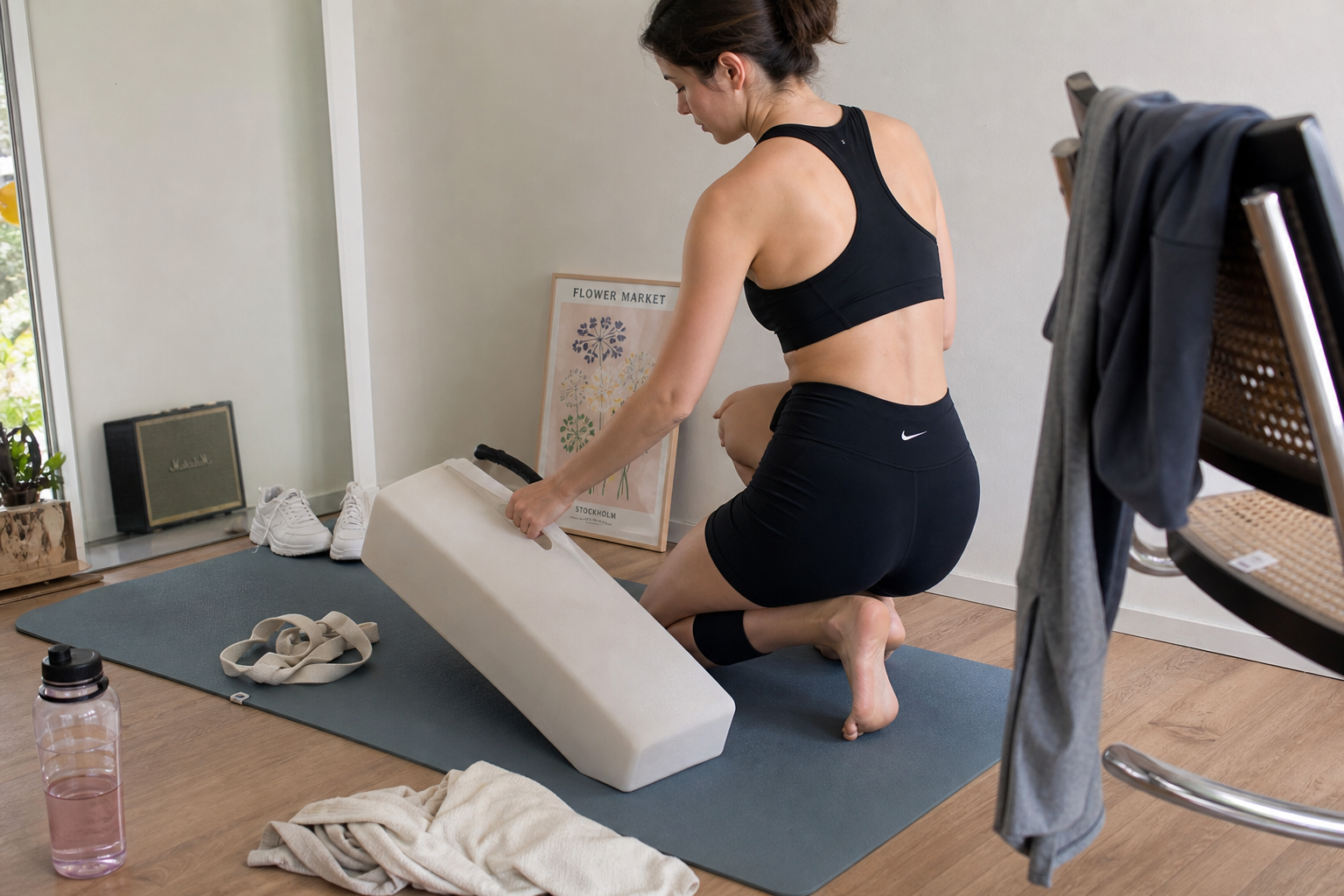
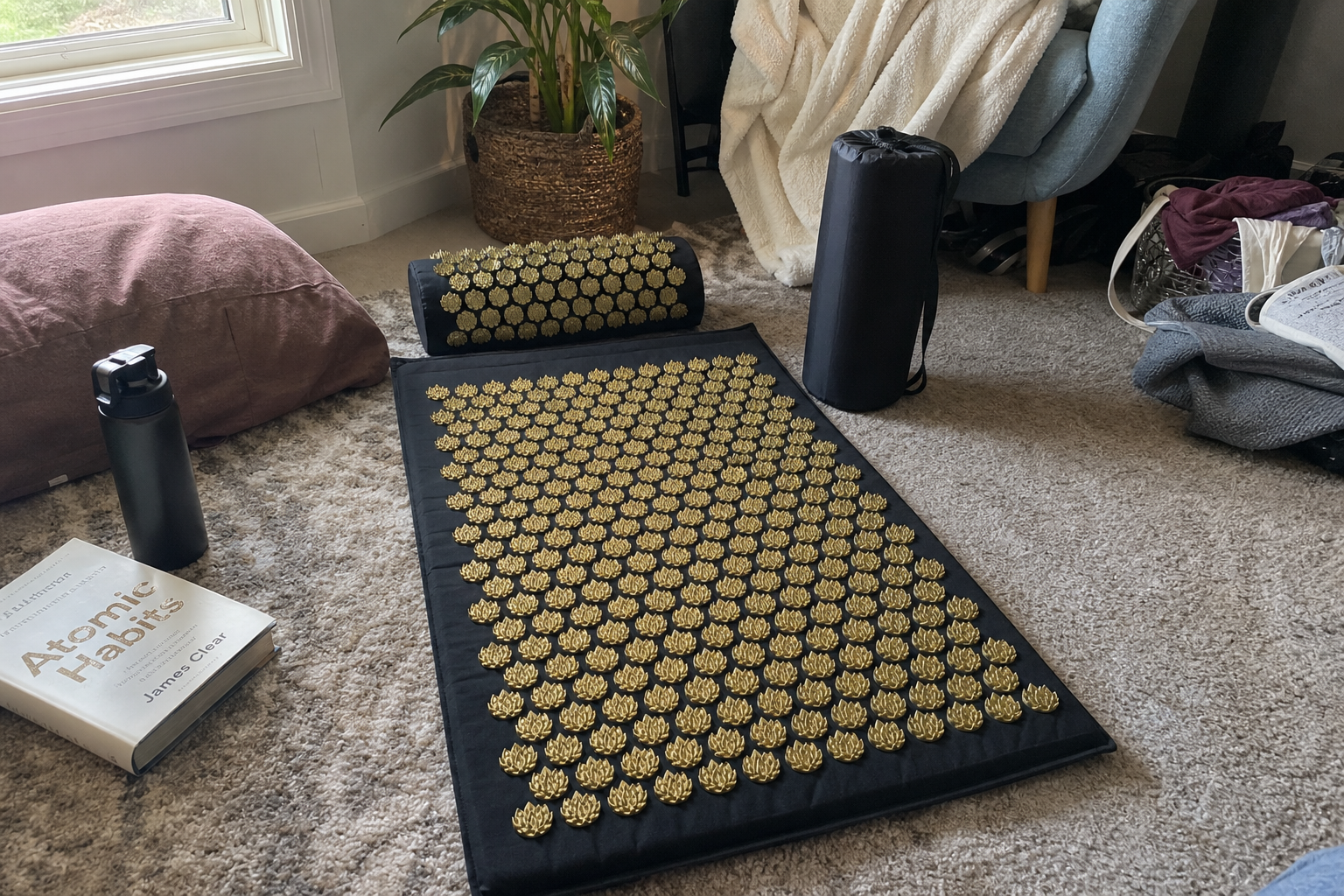
My setup was intentionally low-effort. I used a rectangular yoga bolster in place of trying to hold myself up with perfect posture, and on extra stiff nights I lay back on a acupressure mat and pillow set for a couple of minutes before moving. The mat felt intense at first, so I treated it as optional, not mandatory.
The actual ritual looked like this:
- One minute of slow walking around my room and unclenching my jaw.
- Two minutes in supported child’s pose with the bolster.
- Two minutes of cat-cow and thread-the-needle for my upper back.
- Two minutes of low lunge or a gentle hip stretch on each side.
- Two minutes of legs up on the bolster or lying down with one hand on my ribs for slow breathing.
- One final breath cue: inhale for four, exhale for six, five rounds.
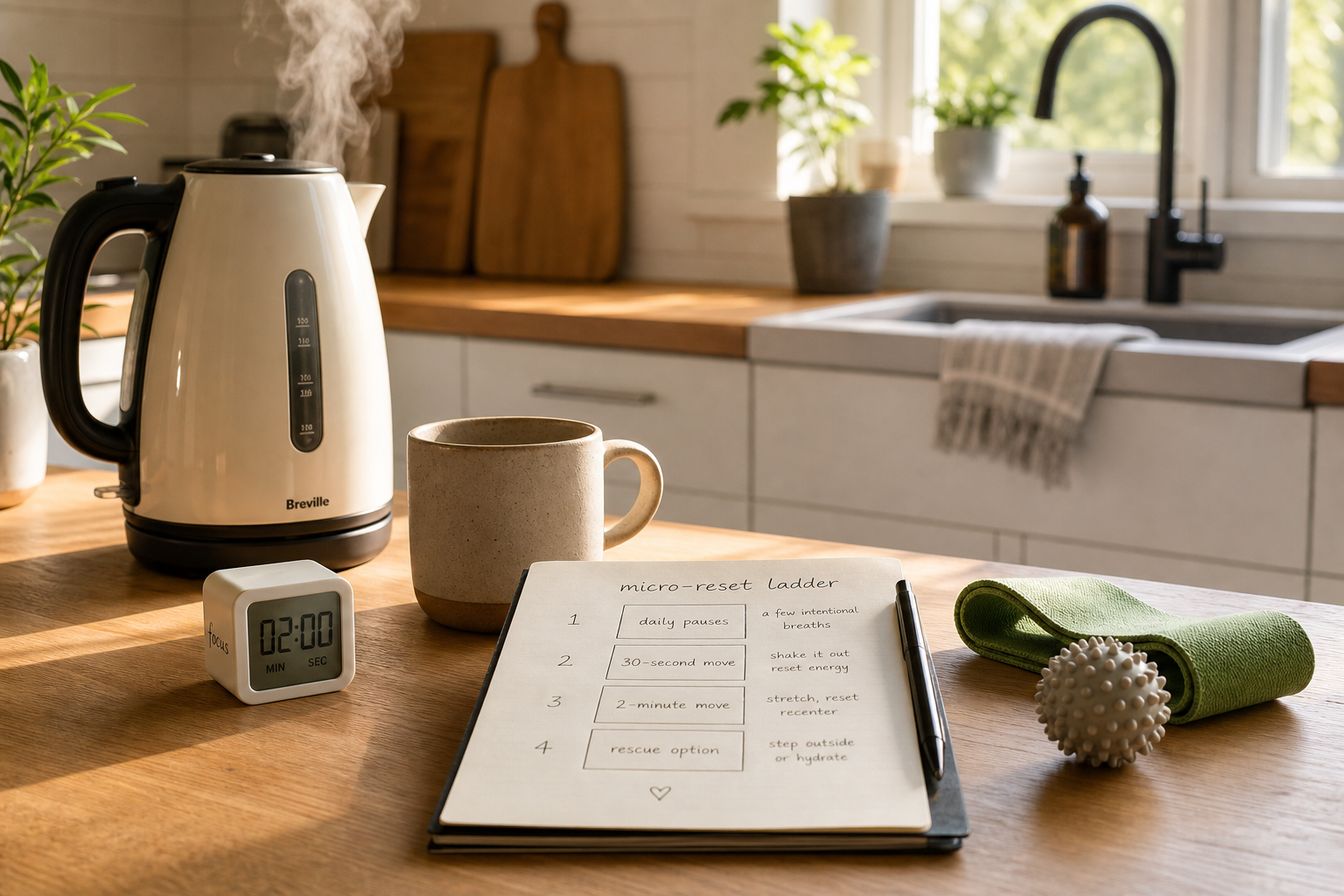
That’s it. No playlist to set up, no timer app with six settings, no pressure to sweat, and no expectation that I had to feel transformed after every session.
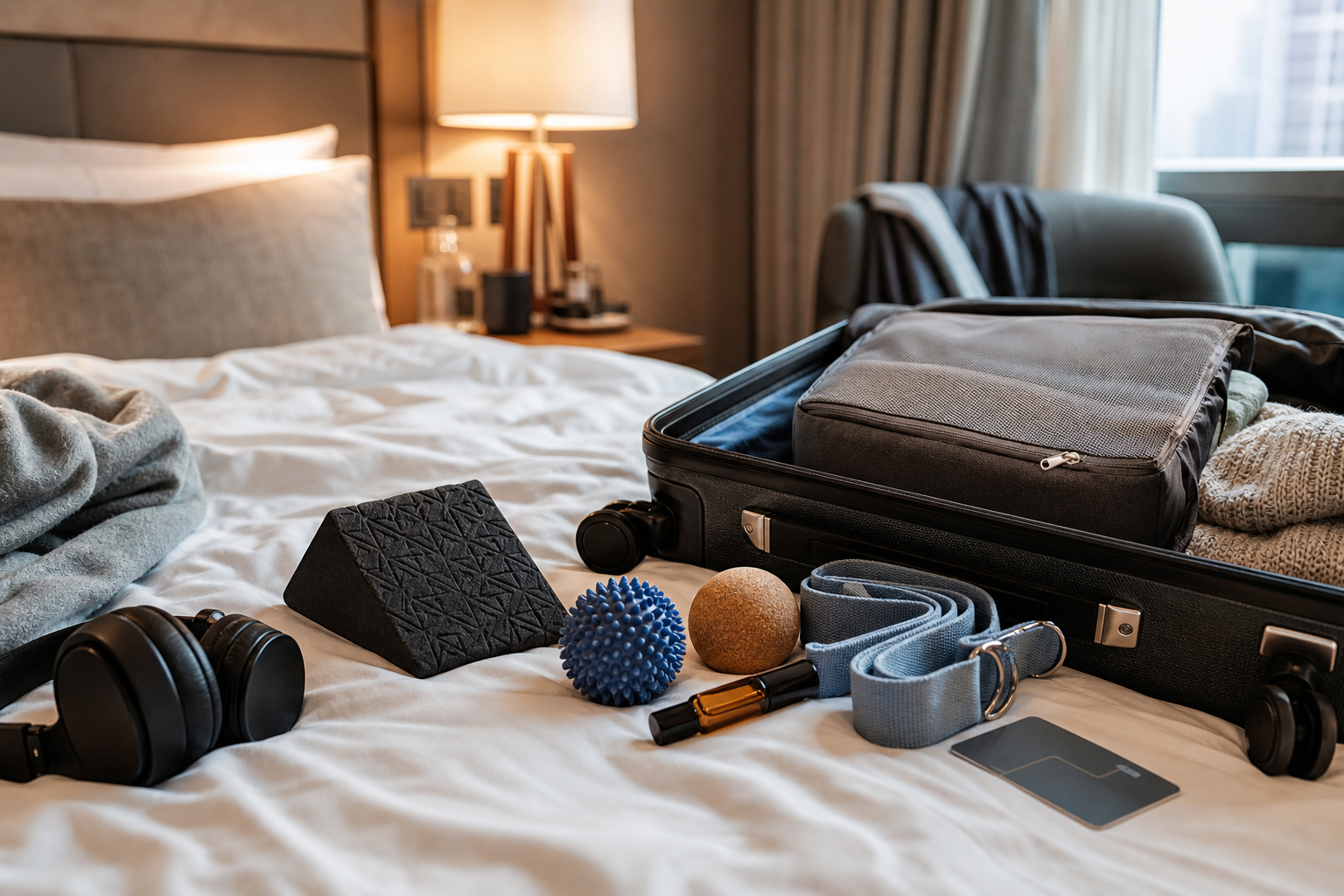
I also borrowed a page from my own advice in 5 Low-Effort Props That Help: if a prop makes starting easier, it’s doing real work. The bolster especially made the ritual feel supportive instead of performative.
What actually happened
The first surprise was that the habit cue mattered more than motivation. I did not suddenly crave mobility work at the end of a long day. What helped was making the first action almost automatic: close laptop, phone on charger, mat down.
The second surprise was that ten minutes felt short enough that I rarely argued with it. On low-discipline nights, my brain still tried to negotiate, but it had less material to work with. “Just do ten minutes” is annoyingly effective when the routine is genuinely gentle.
Physically, I noticed a few changes by the end of the three weeks:
- Less stiffness in my hips after sitting late.
- Less upper-back crankiness when I got into bed.
- A smoother shift out of work mode, especially when I paired movement with slower exhales.
- Better odds of going to sleep without taking my buzzing thoughts straight into the pillow.
What I didn’t notice: some dramatic flexibility leap. This wasn’t a makeover story. It was more like turning the volume down on accumulated desk tension.
Consistency got easier when the ritual felt like relief, not homework.
I also learned that sensory cues helped. On nights when I wanted the ritual to feel a little more intentional, I’d light one of those curved cake candles I already had around as a funny little “the day is officially over” signal. Obviously they’re not a mobility essential, but this is exactly the kind of tiny ritual cue I mean: something visual that tells your nervous system we are not producing anymore tonight.
What made me stick with it when motivation was low
This was the real point of the experiment. Not “Did I become a nighttime yoga person?” but “What kept the routine alive on average, imperfect days?”
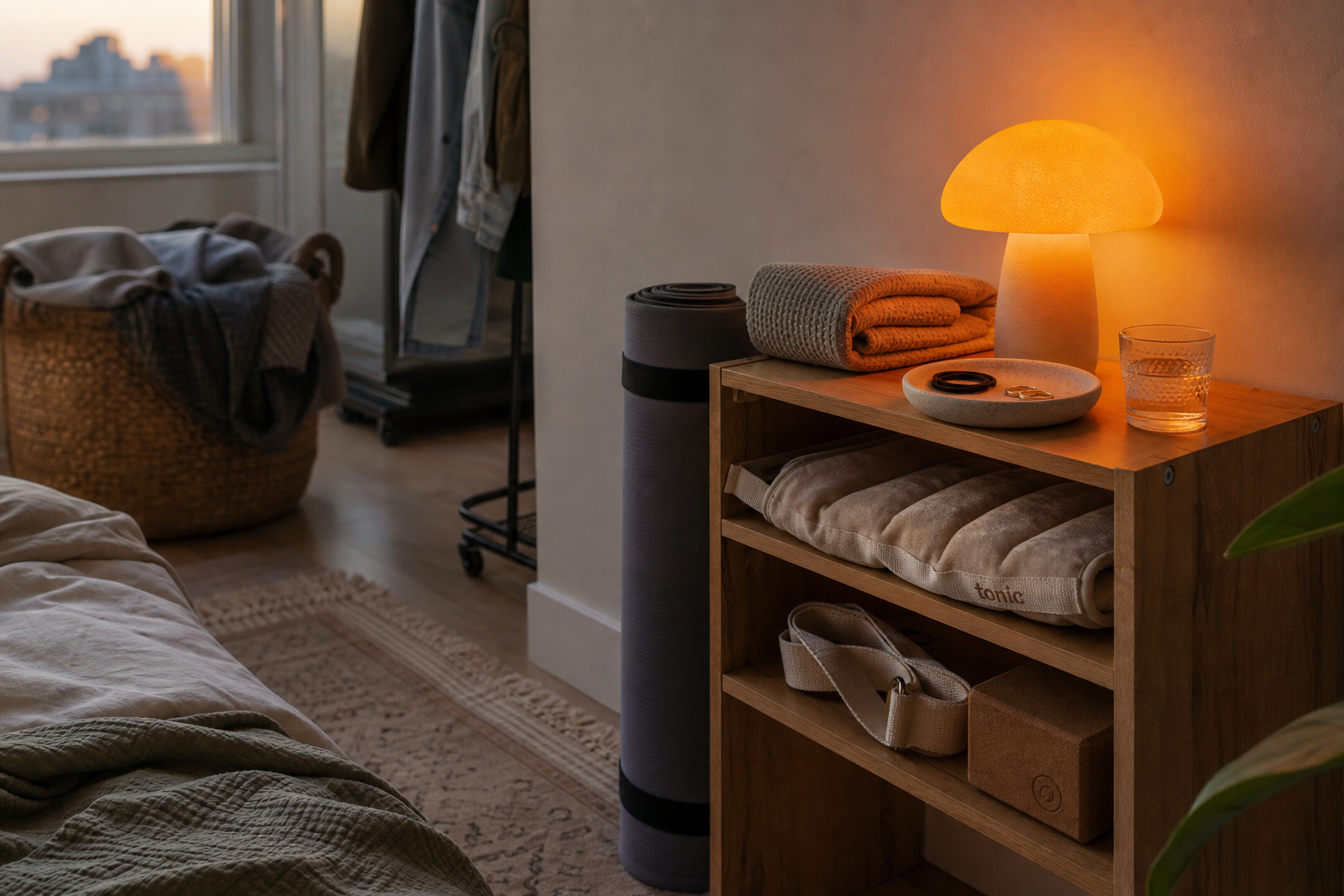
- Keeping it visible: I left the bolster where I could see it instead of storing everything neatly away.
- Making it embarrassingly short: Ten minutes removed the dread factor.
- Using comfort, not intensity: Supported shapes worked better than ambitious stretches late at night.
- Pairing it with a cue: Laptop closes, phone charges, mat opens.
- Letting “good enough” count: If I only did the breathing and child’s pose, that still counted.
That last one is huge. A realistic late-night mobility ritual has to survive tiredness, mood swings, and random schedule chaos. If your routine only “counts” when it’s perfect, it won’t last very long.
What I’d do differently next time
If I repeat this for another few weeks, I’d make two changes.
First, I’d stop pretending every night needed the same exact sequence. Some nights my neck and shoulders needed more attention than my hips. A better version would be a simple template: one grounding pose, one spinal movement, one stretch for the tightest area, one breath practice.
Second, I’d use the acupressure mat more strategically instead of forcing it on nights when I wanted pure softness. For me, it worked best before the sequence on especially tense evenings, not as an every-night rule.
My Verdict
This three-week experiment convinced me that late-night mobility works best when it feels tiny, calming, and forgiving. The biggest win wasn’t becoming more flexible; it was feeling less stiff, less mentally revved up, and more able to show up consistently without relying on willpower. The bolster was the most useful prop, the breathwork did more for my nervous system than I expected, and the biggest downside was that even a good routine can feel like too much if you make it overly rigid. If you’re a night owl with a buzzing brain, I’d start with ten gentle minutes and let “done” be enough.
Disclaimer: As an aliexpress Associate, I earn from qualifying purchases.