Category

Nutrition

Real-food guidance on protein, hydration and fuelling your training without the supplement rabbit hole.
7Articles
1Contributors
44mOf reading
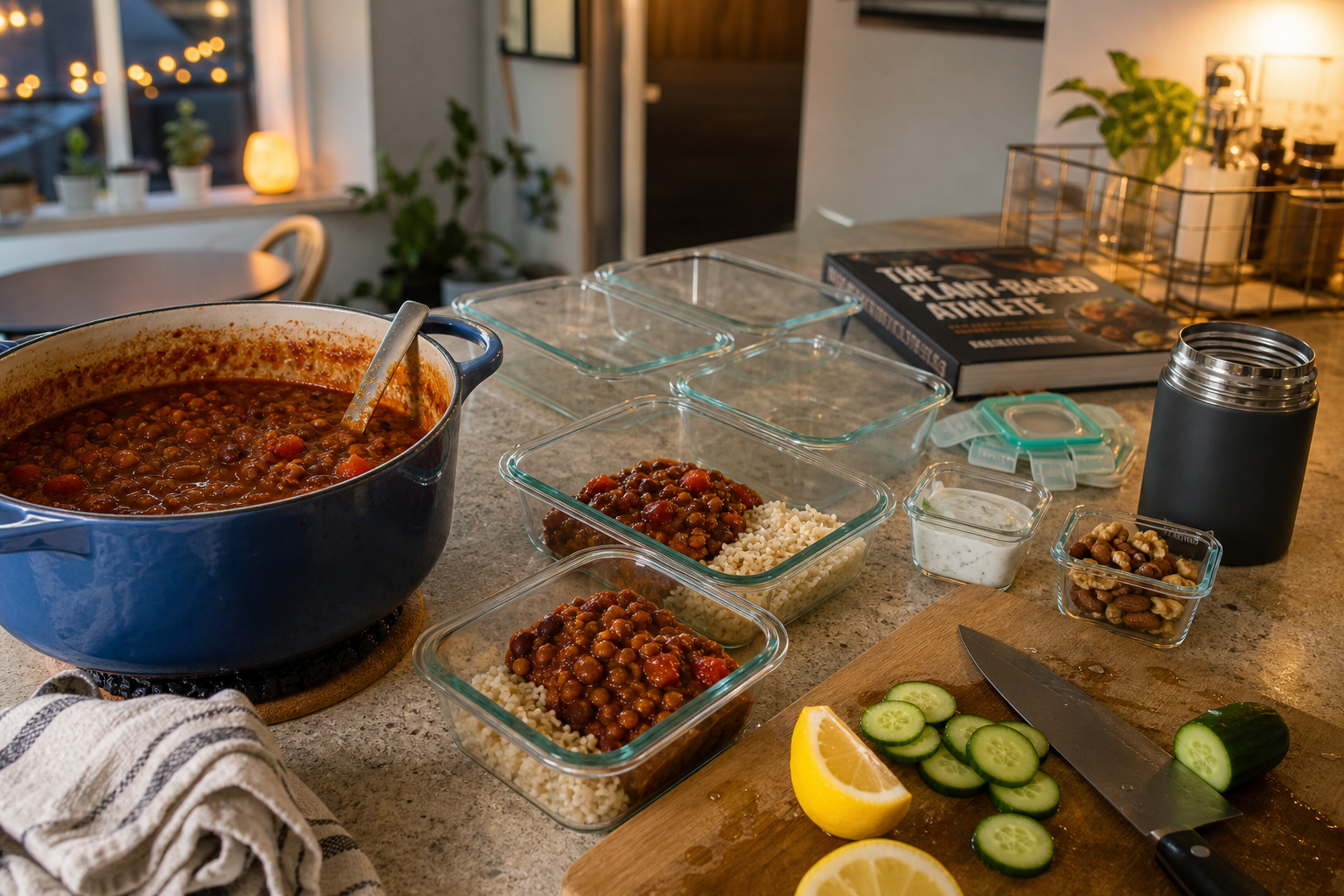
Featured image for: Write an opinion piece arguing that recovery nutrition advice is too obsessed with what to eat and not nearly focused enough on friction inside the kitchen itself. Open with a strong claim that most people do not have a motivation problem after training or long workdays—they have a cookware, storage, and setup problem that quietly drains follow-through. Then walk readers through three specific “micro-frictions” that derail good recovery habits, such as mismatched containers that ruin leftovers, dull knives that make produce prep feel punishing, or missing small tools that turn simple meals into a hassle. Use Priya’s dietitian lens to show how these tiny environmental barriers shape whether someone actually gets enough protein, carbs, and fluids to recover well, without slipping into another standard meal-prep tutorial. Close by making the case that a few inexpensive kitchen supports can improve recovery more than another aspirational grocery haul, and spell out what readers should audit in their own kitchens this week. Tie in AliExpress naturally by pointing toward affordable, practical kitchen organizers, prep tools, insulated jars, and portioning accessories that reduce effort and make nourishing habits easier to repeat.
Editor's pick

Your Recovery Nutrition Problem Might Be Your Kitchen

A reader emailed me recently to say she kept “failing” at post-workout eating, but when she described her routine, what jumped out wasn’t low discipline. It was a drawer full of lidless containers,…
Showing 7 of 7 articles
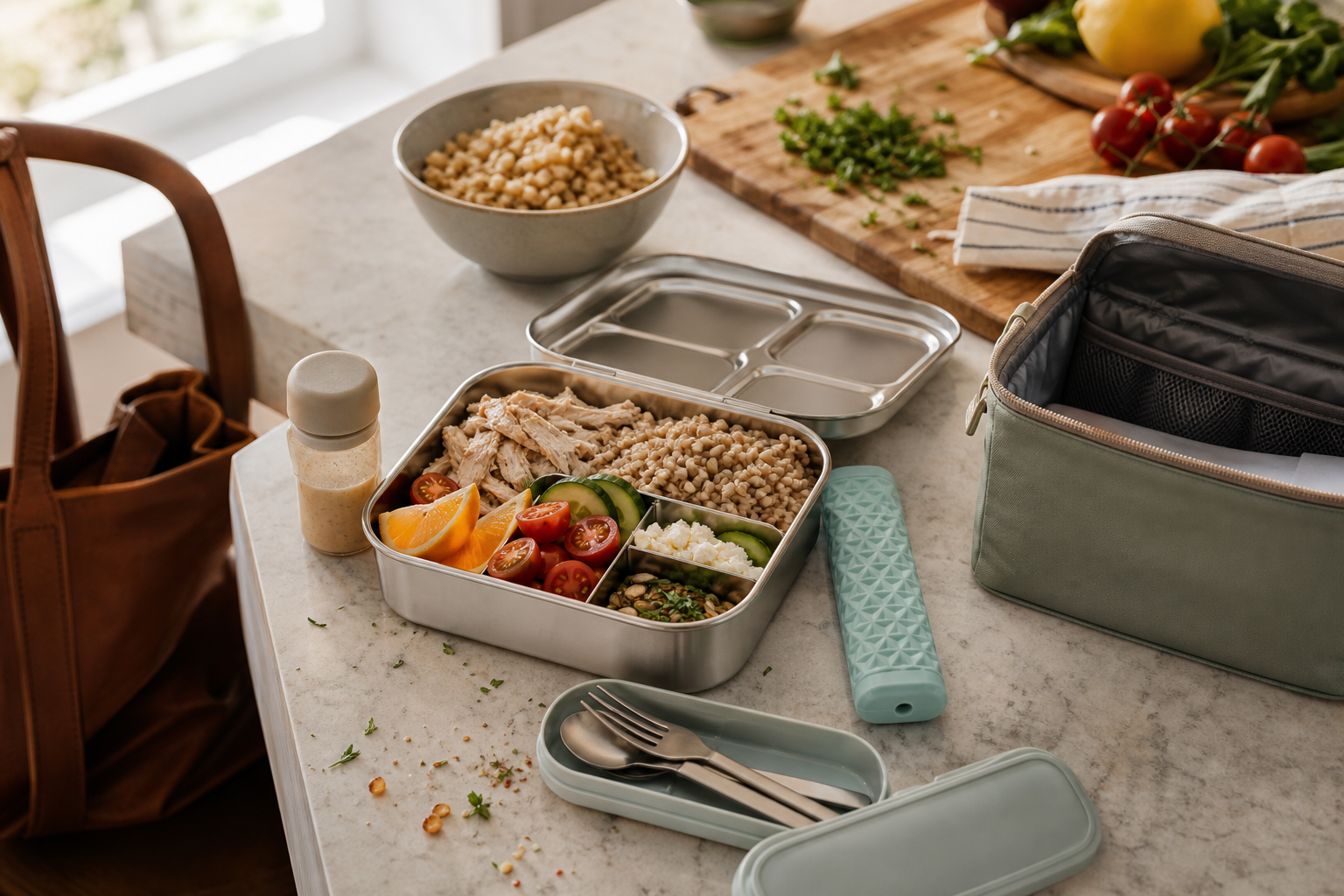
Featured image for: Create a post that teaches readers how to assemble a low-effort “recovery lunch kit” for the workday using a mix of fresh market ingredients and a few inexpensive prep tools, aimed at the overlooked stretch between late morning fatigue and evening workouts. Open not with a personal confession or a myth-bust, but with a scene of the common 2 p.m. energy dip: meetings, errands, or school pickup ahead, and no plan for eating in a way that supports later training and better sleep. Walk the reader through the anatomy of the kit—one hydrating produce item, one protein that holds well, one carb that steadies energy, one salty element for sweat recovery, and one texture or flavor booster that makes the meal feel satisfying rather than clinical. Then show three specific mix-and-match examples built for different realities, like office days, commuting days, and heat-heavy days, so the piece feels practical and fresh rather than another generic meal-prep article. The core takeaway should be that recovery nutrition does not start after the workout; it starts with preventing the energy crash that makes people under-fuel, over-snack, and sleep worse later. Naturally tie in AliExpress by recommending affordable bento containers, mini insulated lunch bags, leakproof dressing bottles, compact utensil sets, and reusable ice packs that make this lunch-kit system portable and repeatable without turning it into a high-cost gear haul. Close by giving readers a simple build formula they can screenshot and use before their next grocery run or farmers market trip.
Recovery

How to Build a Recovery Lunch Kit That Prevents the 2 P.M. Crash

It’s 2 p.m., your brain is foggy, your inbox is still moving, and there’s a workout sitting later in the day like a promise you may or may not keep. Maybe you still have errands, pickup, or one more…
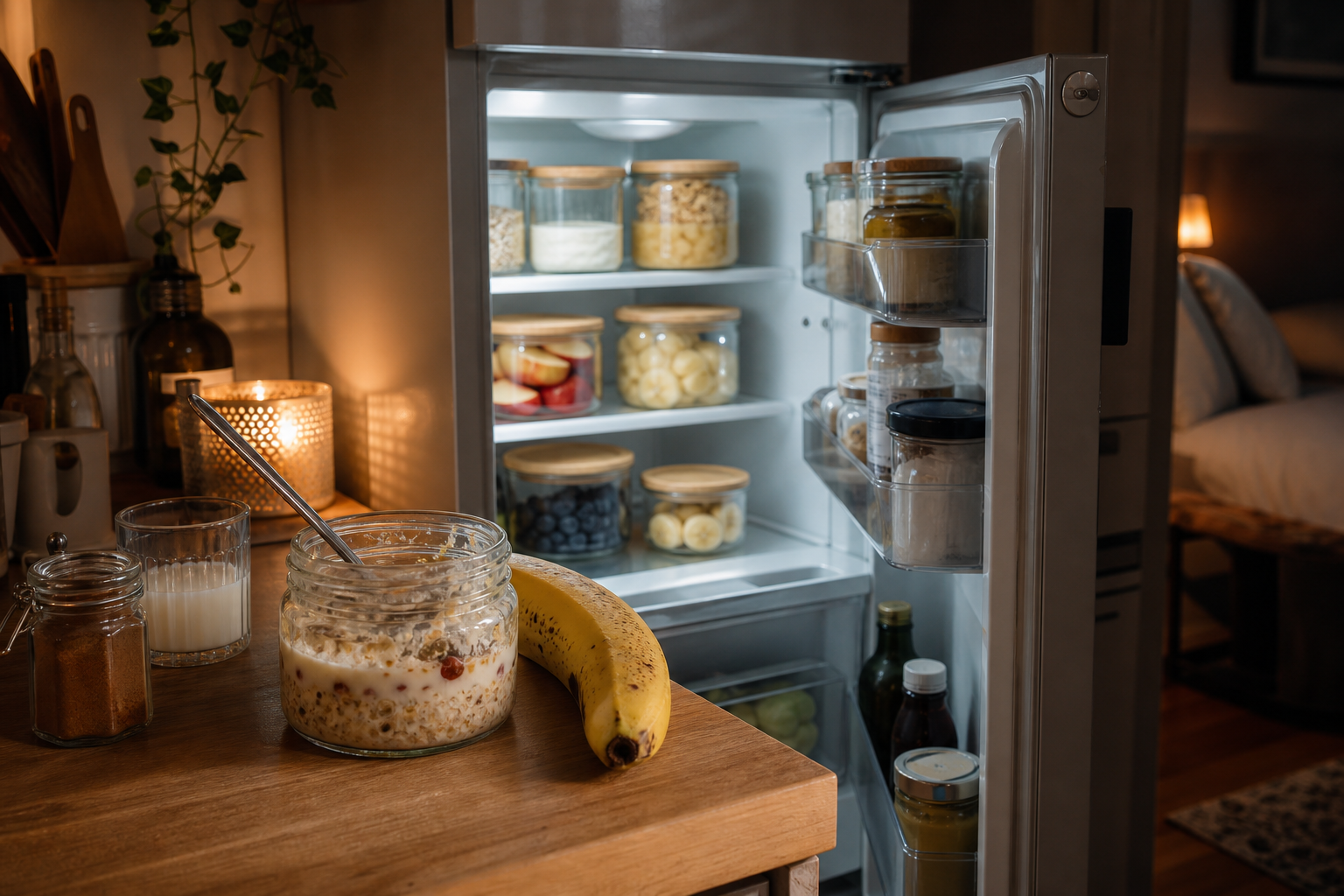
Featured image for: Write a practical guide on how to build a sleep-supportive evening snack formula for nights when dinner was early, training ran late, or hunger shows up right before bed. Open by debunking the common all-or-nothing advice that says nighttime eating is either a diet mistake or a magic recovery hack, then ground the piece in what a registered dietitian actually looks for: digestibility, enough carbohydrate to support sleep, a moderate amount of protein, and flavors that feel calming rather than stimulating. Structure the post around a simple mix-and-match framework—choose a base, a protein add-in, and one “settling” extra—using concrete examples that feel realistic for small kitchens, shared apartments, and low-energy evenings. Include a section on how to shop for these components cheaply and non-preciously, which creates a natural bridge to AliExpress kitchen tools like compact prep containers, mini blenders, portion scoops, reusable snack jars, or bedside carafes that make the routine easier without turning it into a gadget circus. Make the narrative unfold from the problem of lying awake slightly hungry, to the physiology of why that matters for recovery, to a short list of snack combinations sorted by appetite level and prep effort. The takeaway should be that readers leave with a repeatable decision tree for bedtime snacks instead of vague “listen to your body” advice. Keep the voice calm, evidence-informed, and specific, with emphasis on reducing friction so better sleep and better recovery feel automatic rather than aspirational.
Nutrition

How I Build a Bedtime Snack That Actually Helps Sleep

For most of human history, the idea that eating after a certain hour was automatically “bad” would have sounded bizarre. The body does not own a wall clock, and nighttime eating is neither a…
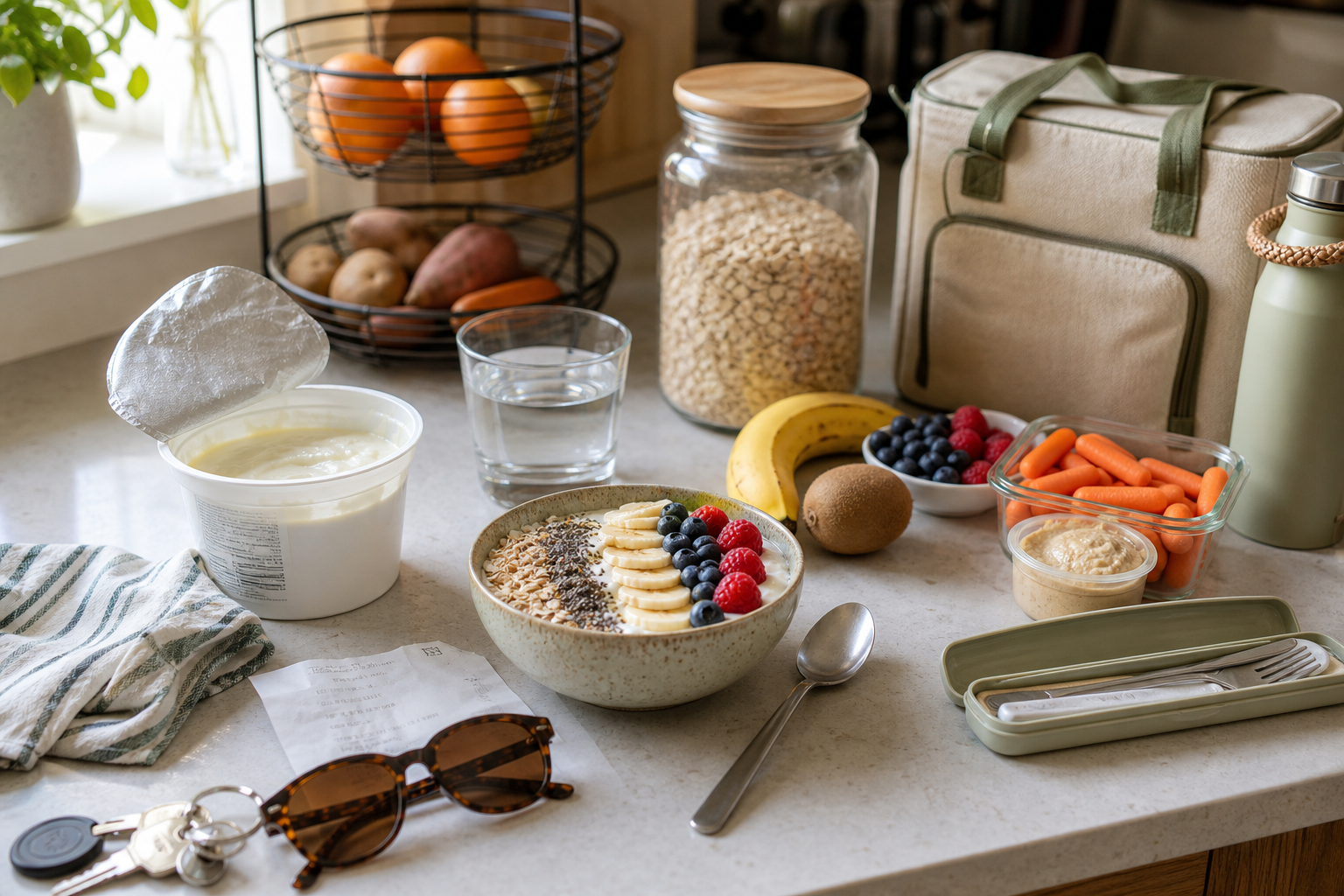
Featured image for: Create a practical guide to building a “48-hour reset menu” for the days after travel, poor sleep, or a packed schedule leaves recovery feeling off, using simple foods that require almost no decision-making. Open with a concrete scenario—coming home from a weekend away or a string of late nights—and frame the piece around the body feeling puffy, under-hydrated, snacky, and strangely unsatisfied, rather than around workouts or meal prep shortcuts. Walk readers through how to structure two days of eating for steady energy and better sleep: one anchor breakfast, one hydration strategy, two easy produce-forward meals, and a calming evening snack that supports overnight recovery. Include guidance on what to prioritize nutritionally—fluids, potassium-rich foods, fiber, adequate protein, and meal timing—without turning it into a detox narrative or a restrictive reset. The middle of the post should show how to shop this quickly and cheaply, ideally with a short checklist of containers, insulated lunch bags, cutlery kits, or simple kitchen organizers that make the plan easier to follow when life is chaotic. Close by emphasizing that recovery nutrition is not just for hard training blocks; it is also for ordinary stressful weeks, and readers should leave with a repeatable template they can use anytime their routine gets scrambled. Tie in AliExpress naturally through affordable prep accessories and compact storage tools that support the system, not as the main focus of the piece.
Nutrition

How I Build a 48-Hour Reset Menu

My rings feel tight, my mouth feels dry, and somehow I’m both hungry and unimpressed by every snack in the house. That’s usually how I feel after a weekend away or three nights in a row of eating…
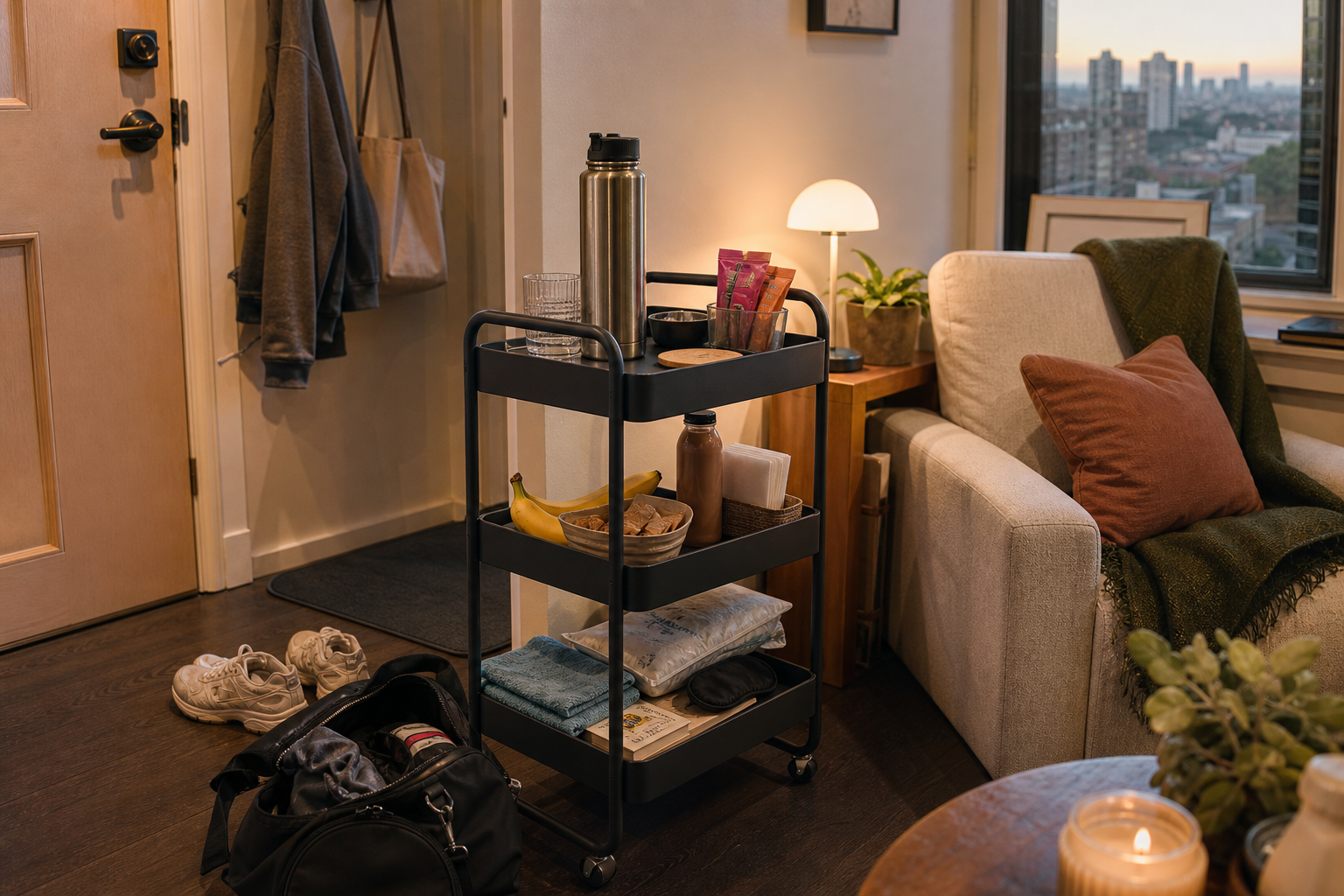
Featured image for: Write a practical guide built around the overlooked recovery bottleneck of 'friction after training' rather than protein totals or budget shopping. Open with a scene of someone getting home from a workout and losing their recovery window not because they lack discipline, but because they have to assemble too many tiny things at once: a snack, fluids, a place to sit, a way to cool down, and a cue to slow their nervous system. Then walk readers through creating a compact 'recovery station' at home with zones for hydration, easy carbs plus protein, heat or cold options, and sleep-supportive wind-down items, explaining why each piece reduces decision fatigue and improves follow-through. Keep the voice rooted in Priya's dietitian expertise by connecting environment design to actual recovery behaviors, including how setup affects refueling, rehydration, and evening sleep quality. Include a small-space and low-cost version so it feels doable for apartment dwellers or anyone who doesn't want a full wellness corner. The takeaway should be a repeatable blueprint readers can assemble in under an hour to make recovery the default instead of another task on the list. AliExpress ties in naturally through affordable organizers, insulated bottles, mini shelving, soft lighting, cooling towels, and other simple accessories that help turn the station into a functional system rather than a pile of good intentions.
Recovery

How to Build a Recovery Station That Actually Gets Used

I’d love to tell you I glide home from a workout, sip water gracefully, and enter a perfectly regulated recovery state. In reality, if I have to find a cup, decide on a snack, clear a chair, and…
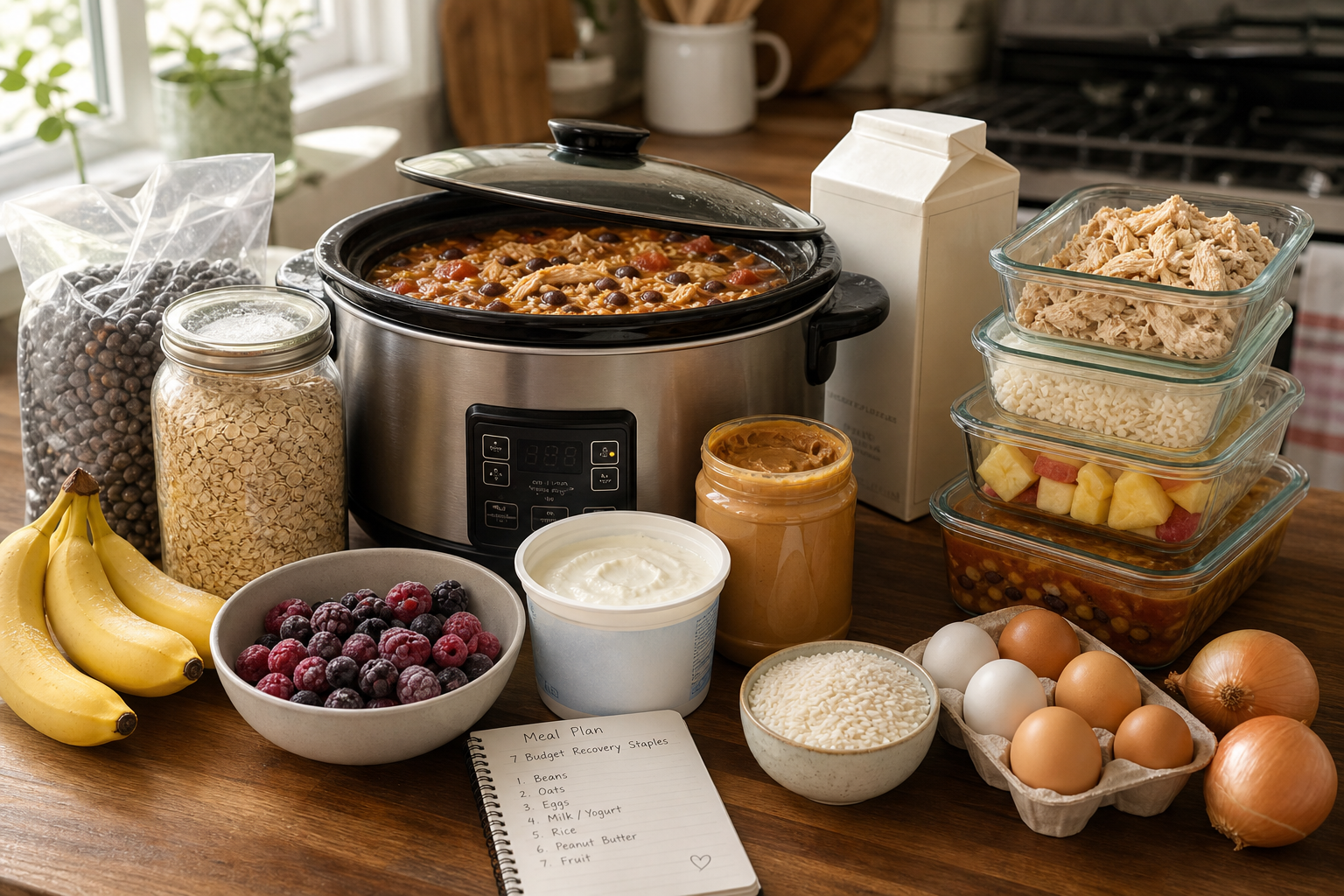
Featured image for: A roundup of budget-friendly recovery foods and meal-prep staples that help active people eat well without overspending, comparing premium convenience picks against affordable alternatives that deliver similar nutrition benefits. The post can be framed through Priya’s dietitian lens by showing how to build a recovery-focused kitchen for better sleep, muscle repair, and easy post-workout meals, with practical notes on when the premium option is worth it and when the budget version wins.
Nutrition

7 Budget Recovery Staples I’d Stock First

As a dietitian, I care a lot less about a “perfect” wellness kitchen than I do about a repeatable recovery routine. If you’re active and trying to eat well without lighting your grocery budget on…

The Lazy Cook's Guide to Hitting Your Protein
Nutrition

The Lazy Cook's Guide to Hitting Your Protein

Skip the meal-prep marathon. Here are the five pantry staples and one mindset shift that make hitting your daily protein almost effortless.

One good fitness find, every week.

No spam, no hard-sell. Just our best beginner-friendly reads, tested gear and recovery tips — straight to your inbox.