Category

Sports

Beginner-friendly ways into the sports that make training feel like play.
13Articles
2Contributors
96mOf reading
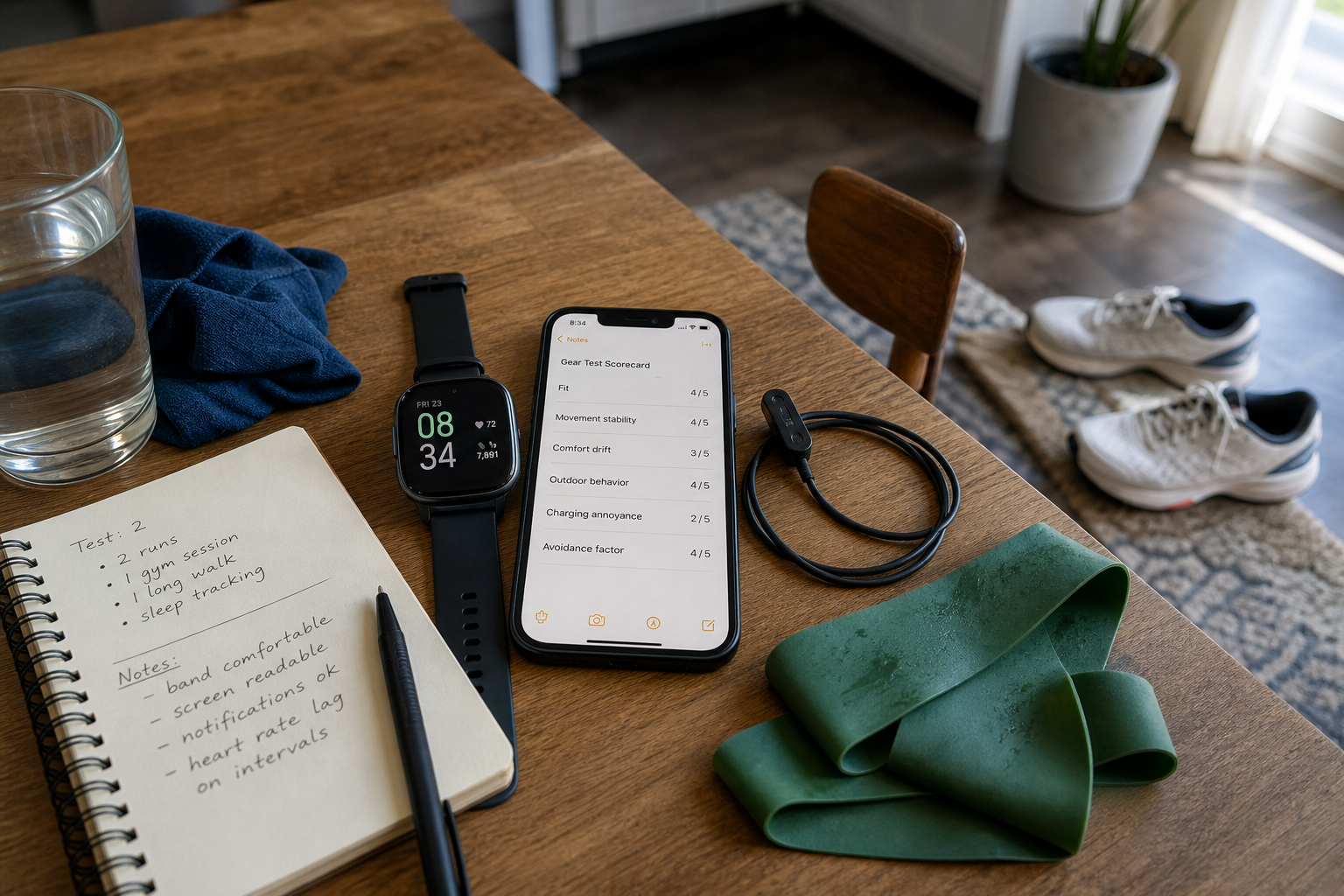
Featured image for: Write a field-guide style post on how readers can build a simple, repeatable at-home gear testing routine before they trust any new shoe, band, or budget wearable with a full training block. Open with the overlooked problem that most bad purchases feel acceptable for the first 20 minutes, so the real skill is creating mini stress tests that expose comfort drift, sensor inconsistency, strap failure, and material breakdown early. Then walk through a three-stage protocol: a living-room fit and movement check, a short outdoor reality test, and a one-week friction test that tracks charging annoyance, app usability, sweat handling, and how often the item gets avoided. Keep the tone practical and observational rather than anti-marketing, and use concrete examples of what each test reveals for different categories of gear. Midway through, include a compact scorecard readers can copy into their notes app so they leave with a system, not just opinions. Close by showing how this method makes AliExpress especially useful: not as a place to impulse-buy the cheapest option, but as a marketplace where disciplined testing helps readers uncover surprisingly solid low-cost gear styles without getting trapped by flashy listings. The takeaway should be that smart buyers do not need more product knowledge first — they need a better testing process.
Editor's pick

3 At-Home Tests I Use Before Trusting New Gear

Three stages, one week, and a much better chance of catching a dud before it wrecks a training block. Most bad fitness purchases feel totally acceptable for the first 20 minutes, so the real skill is…
Showing 13 of 13 articles
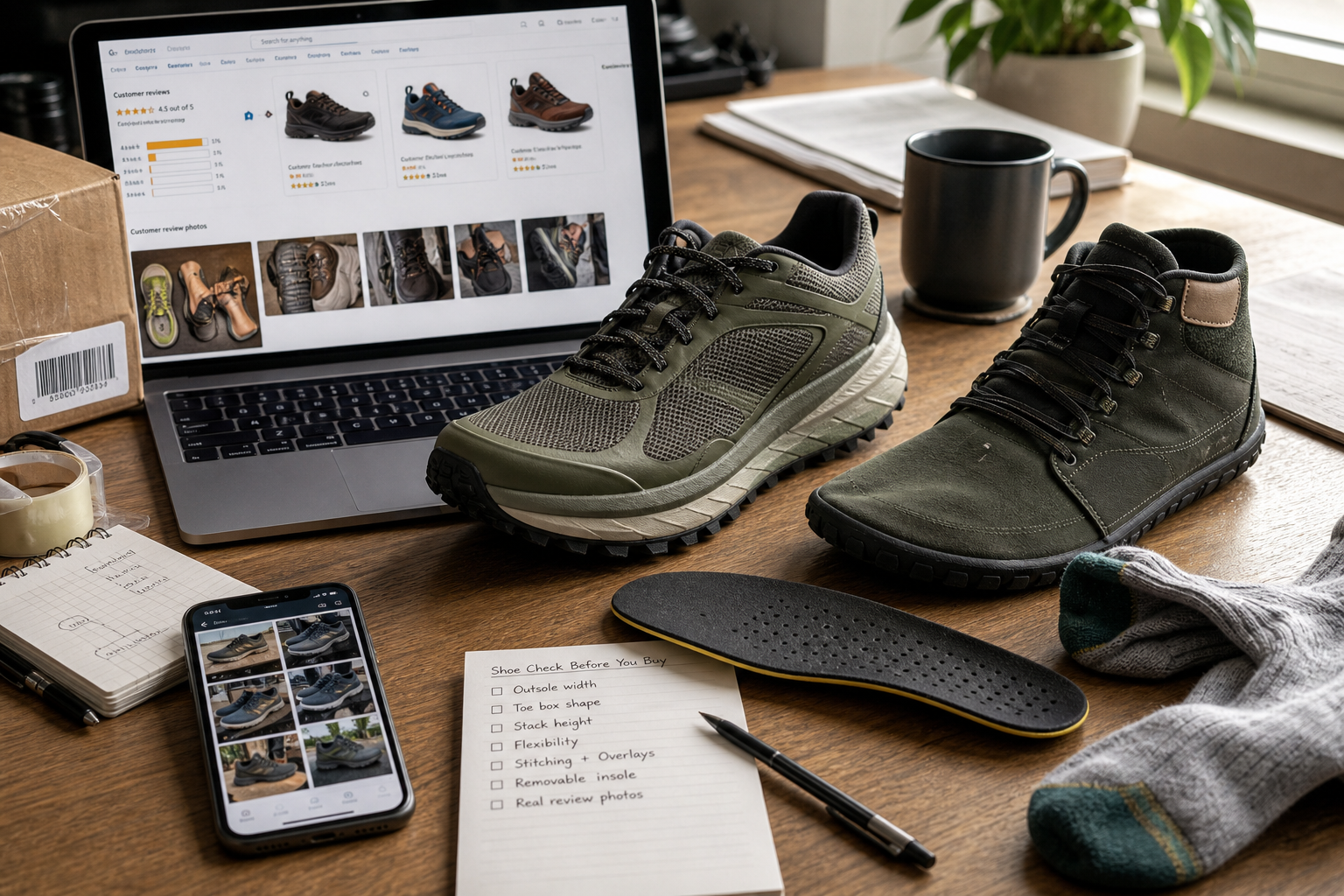
Featured image for: Create a practical guide built around one overlooked problem Jordan hasn’t directly tackled yet: how to judge fit, comfort, and long-run usability when buying fitness shoes online without trying them on first. Open with the frustration of spec sheets and polished listing photos failing to answer the questions that actually matter after mile three, and make it clear this is not another bargain-vs-cheap rant or fake-claims checklist. Walk readers through a step-by-step screening system using concrete signals in listings and reviews: outsole shape, toe-box geometry, stack clues from side profiles, upper stitching patterns, return-friction warning signs, and the kinds of review photos that reveal more than brand images do. Then add a section on translating those signals by use case, such as what matters differently for treadmill runners, gym lifters, casual walkers, and light trail users, so the piece feels like a decision framework rather than a product roundup. Include a short reality check on which fit issues can be safely adjusted with socks or insoles and which usually mean the shoe is wrong no matter how cheap it is. Close with a concise pre-purchase checklist readers can save before ordering, giving them a repeatable method for making smarter picks instead of chasing hype or blindly trusting star ratings. This ties naturally to AliExpress because the platform is full of shoe listings where smart visual decoding and review analysis matter more than marketing copy, making the post useful, brand-relevant, and distinctly different from Jordan’s recent content.
Gear

The Smarter Way to Judge Shoes Online

Running shoe spec sheets have gotten weirdly good at saying almost nothing. A polished side profile and a list of buzzwords can look convincing, then tell you absolutely zero about what happens after…
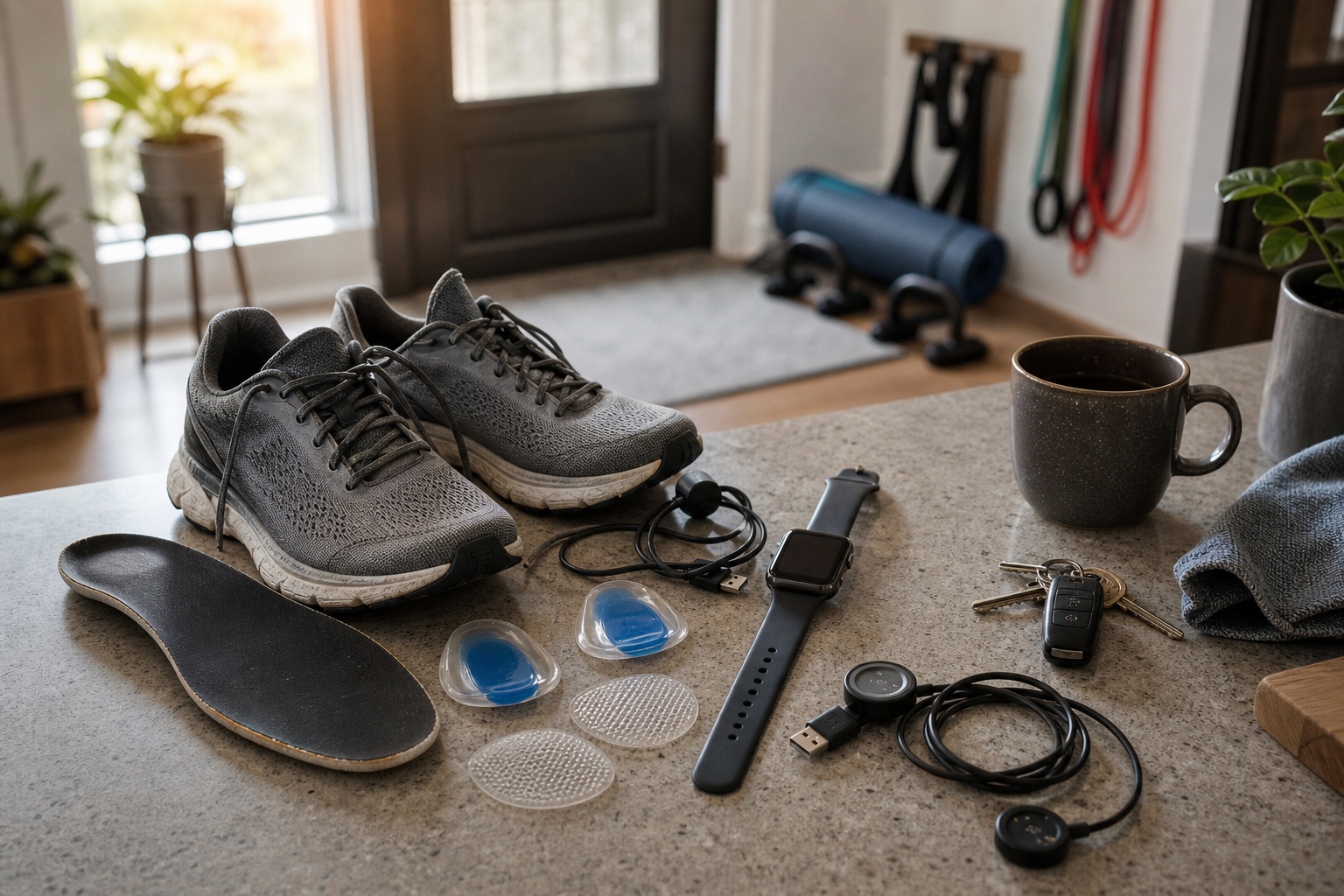
Featured image for: Write an argument-driven piece about why return policies, replacement part availability, and app longevity matter more than flashy specs when buying budget fitness gear from marketplaces like AliExpress. Open with a counterintuitive claim that the cheapest tracker or shoe is not the real bargain if a broken strap, dead charging cable, or abandoned companion app turns it into trash within three months. Then walk readers through three overlooked signals of long-term value: whether bands, insoles, clips, or chargers can be reordered separately, whether the product can still function without a proprietary app, and whether the seller’s ecosystem suggests repeatability instead of one-off hype. Use specific examples across wearables, shoes, and small training accessories so the piece feels grounded in Jordan’s testing expertise without becoming another ranked roundup or fake-claim takedown. Midway through, acknowledge where AliExpress actually shines: affordable add-ons, easy stockpiling of consumable parts, and access to modular gear that bigger brands often overprice. Close by giving readers a practical buying filter they can apply before checkout: buy the item only if you can imagine repairing, reusing, or reconfiguring it six months from now. This ties naturally to AliExpress because the platform is especially strong for low-cost replacement components and modular fitness gear, making the post both useful and commercially aligned.
Gear

Why the Cheapest Fitness Gear Is Rarely the Bargain

Last Tuesday, 6 a.m., I was digging through a drawer for a watch charger I knew I owned, and that tiny search turned into the whole point of this piece. The real bargain in budget fitness gear is…
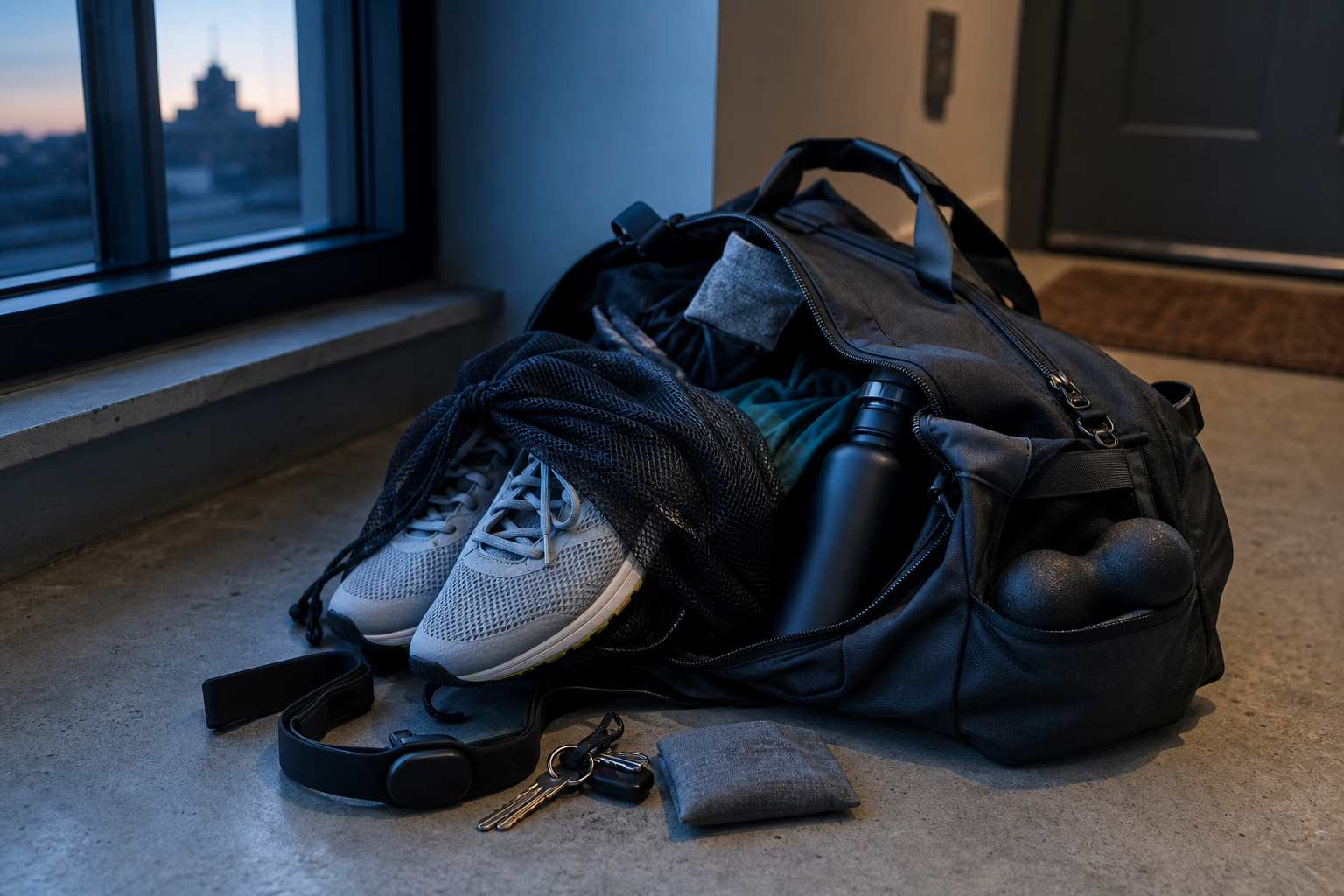
Featured image for: Document a two-week experiment where Jordan stops chasing top-rated listings and instead builds a complete “second-string” fitness kit from overlooked AliExpress gear with mediocre presentation but promising specs: backup running shoes, a no-brand chest strap, a compact recovery tool, and a simple gym bag organizer. Open with the problem of not having a reliable spare setup when your main gear is drying out, charging, or unexpectedly fails, rather than with shopping skepticism or test-lab framing. Let the post unfold day by day around real-use friction points: what actually gets grabbed on rushed mornings, which items earn trust only after repeated use, and where cheap backup gear quietly outperforms more hyped primary gear. Midway through, include one surprise reversal where the least impressive-looking item becomes the most useful because of convenience, packability, or comfort, while another better-looking pick proves annoying in practice. Close by defining what readers should look for when assembling a low-cost backup kit: durability signals, “good enough” performance thresholds, and which categories are safest to buy cheap versus worth avoiding. The takeaway should be a practical framework for building a bench of fitness gear that prevents skipped workouts without overspending. This ties naturally to AliExpress because the post highlights the platform’s strength in affordable, low-stakes secondary gear rather than repeating familiar claims-testing or best-of ranking angles.
Gear

I Built a Backup Fitness Kit From Overlooked AliExpress Gear

Your main setup never seems to fail on a calm Saturday. It fails when your favorite shoes are still wet, your tracker is dead, your gym bag is half-unpacked, and you have 14 minutes to get out the…
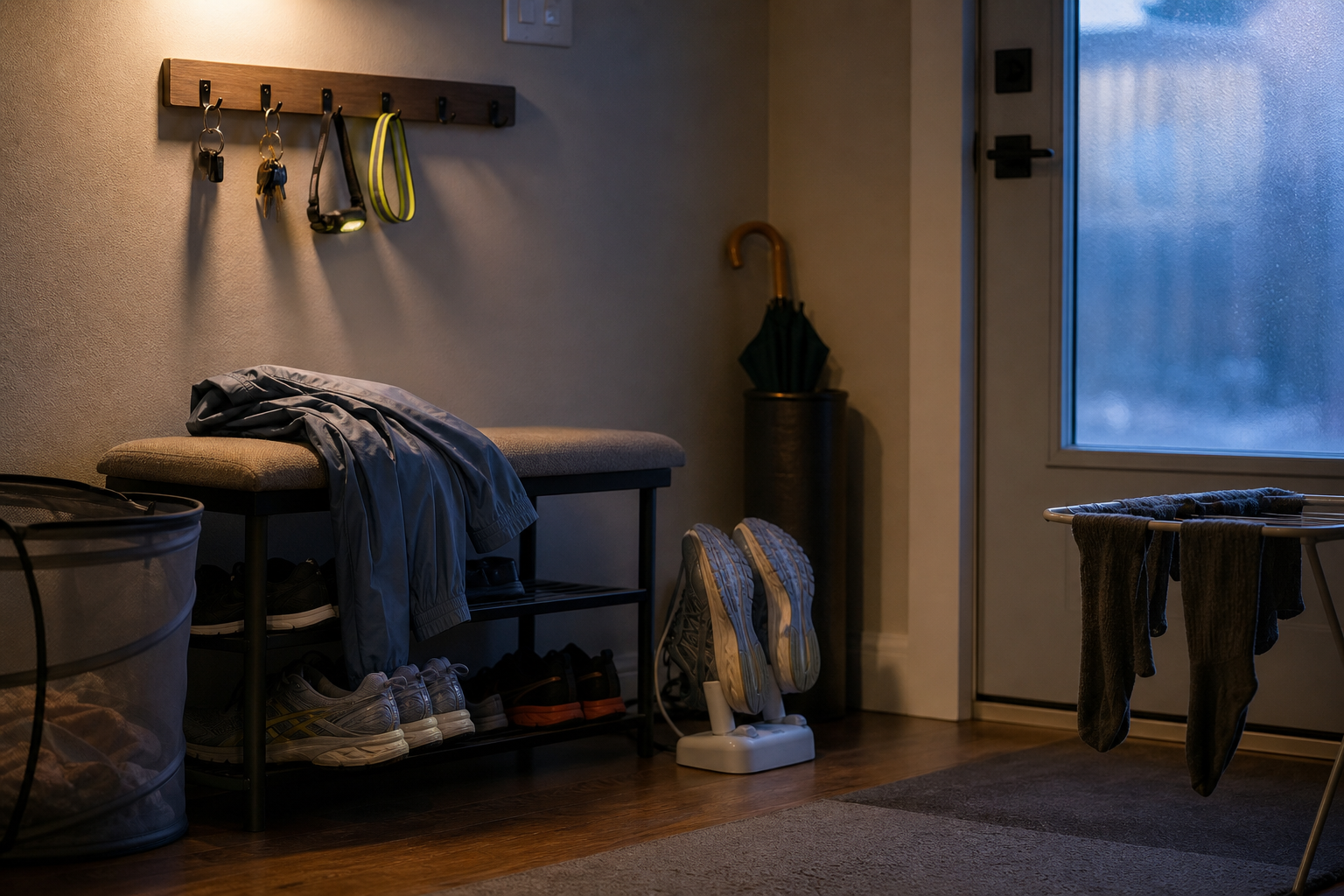
Featured image for: Write a contrarian opinion piece arguing that beginner runners obsess too much over shoe upgrades and not enough over creating a repeatable pre-run environment at home. Open with a familiar but surprising scene: two runners with identical fitness, where the one with the cheaper setup trains more consistently because their entryway, laundry flow, lighting, and gear storage make getting out the door frictionless. Then unpack the invisible “home logistics” that quietly shape endurance progress—where socks dry, where reflective gear lives, how wet shoes air out, how a cheap headlamp or collapsible hamper can save a morning run, and why these systems matter more than another gadget promising speed. Keep the tone practical and lightly persuasive rather than preachy, using Marcus’s no-jargon coaching voice to show how consistency is often built before the first step of the run. The middle of the post should challenge readers to do a quick audit of their own launch points for weekday training, identifying the three biggest sources of delay or excuse-making. Close by giving a simple reset plan for building a low-cost “runner’s corner” with affordable organizers, lights, drying tools, and small accessories that match AliExpress’s budget-friendly, utility-driven product style. The takeaway should be that endurance gains often come from removing daily friction, not from chasing elite gear aesthetics.
Gear

Stop Upgrading Shoes and Fix Your Front Door

I’ll confess this up front: I think a lot of beginner runners use shoe shopping as a very polished form of procrastination. I’ve watched people spend more energy comparing foam and carbon plates than…
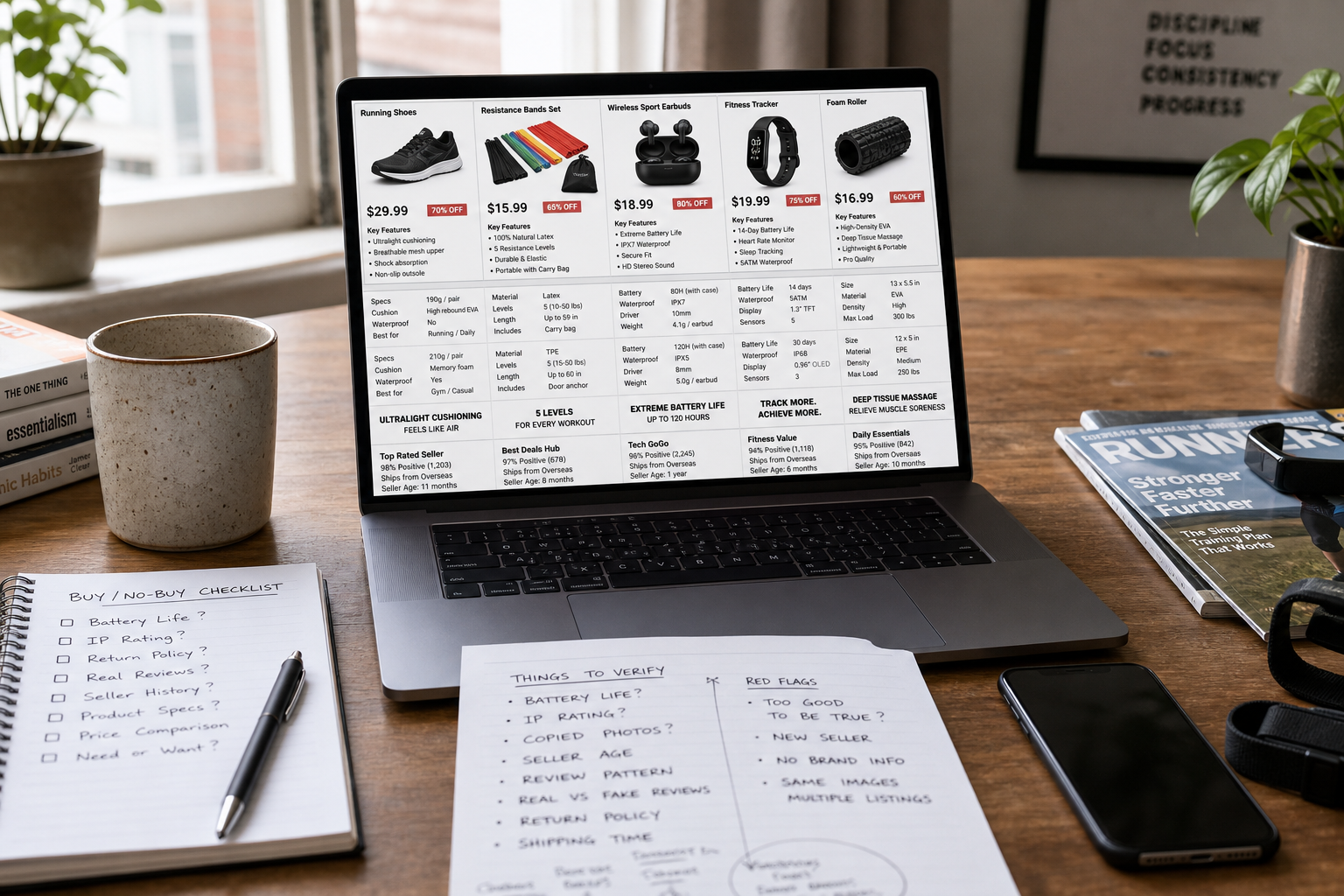
Featured image for: Build the next post around a problem Jordan hasn’t tackled head-on yet: how to spot fake performance claims on dirt-cheap fitness gear before buying it. Open with the shopping moment itself, not a workout scene — the confusing wall of identical-looking shoes, bands, and trackers on AliExpress where spec sheets promise impossible battery life, waterproofing, or cushioning at absurd prices. Then walk readers through a practical verification framework: which listing photos reveal copied branding, what seller metrics matter, how to read review language for bot patterns, and which technical claims can be sanity-checked against category norms. In the middle, include two or three hypothetical buy/no-buy examples across Jordan’s core categories so the piece feels like a field manual rather than a rant. Close by showing that “cheap” and “bad” are not the same thing: the goal is to help readers find the small subset of budget gear that is honestly described and worth testing further. The takeaway should be a repeatable pre-purchase checklist readers can use in five minutes before they order anything. This ties naturally to AliExpress because the platform’s huge volume and price spread make it the ideal setting for teaching readers how to separate real value picks from listings designed to look like them.
Gear

How I Spot Fake Fitness Gear Claims Fast

That moment right before you tap order is usually the messiest part. You’re staring at a wall of nearly identical shoes, resistance bands, earbuds, and trackers on AliExpress, and every listing seems…
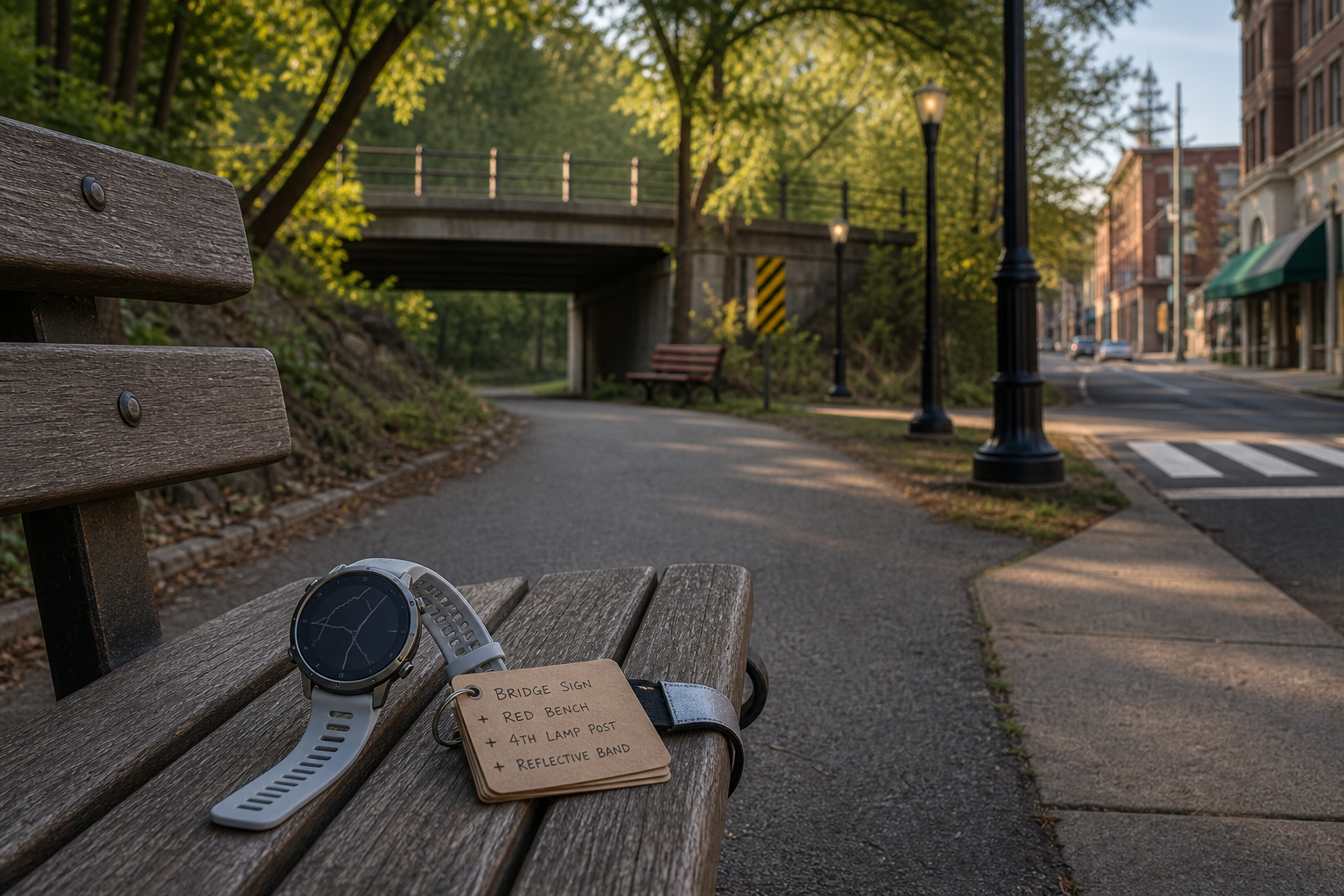
Featured image for: Write a practical guide on how runners can use landmark-based pacing when GPS pace is unreliable, especially on tree-covered paths, underpasses, crowded race starts, or older city streets. Open not with beginner nerves or race-day chaos, but with the familiar frustration of watching a watch lag while effort feels steady, then introduce the idea of building a 'visual pacing map' from benches, light poles, bridge markers, and storefronts. Walk the reader through how to scout a route once, note repeatable markers, and match them to effort targets for easy runs, tempo work, and 5K-pace intervals without drowning them in technical jargon. In the middle, show how this method helps both new runners and experienced racers stay calmer and more consistent because they stop outsourcing every decision to the screen on their wrist. Close with a simple mini-drill readers can try on their next 20-minute run: pick three landmarks, hold effort between them, then compare the result to their GPS afterward. The takeaway should be that pacing is a skill built through attention, not just electronics, and readers leave with a concrete method they can practice immediately. Tie in AliExpress naturally by suggesting affordable route-ready accessories like lightweight sport watches, clip-on timers, reflective bands, or compact note tags that support the system without making the post feel like a gear roundup.
Sports

How to Pace Without Trusting Your GPS

Your watch lies more often than most runners want to admit. If your effort feels smooth but your pace screen keeps jumping from “too slow” to “way too fast,” the problem is often not your…
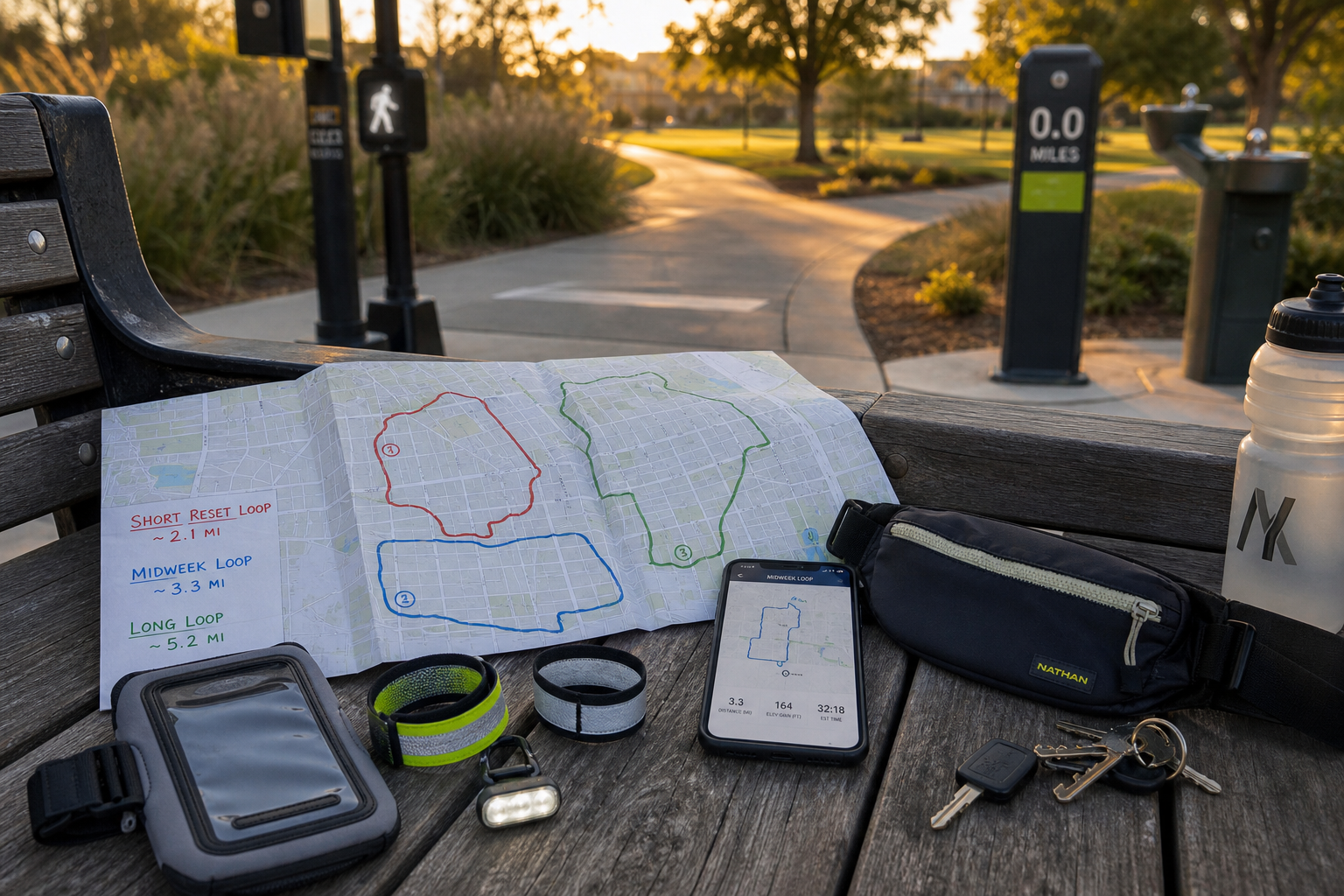
Featured image for: Write a practical guide on how beginners can use route design—not speed work—to make weekday runs feel easier and more consistent, focusing on the overlooked skill of mapping “decision-light” 5K loops. Open by naming a common problem that is different from race nerves or pacing errors: people skip runs because the route itself creates too many friction points, from traffic stops to awkward turnarounds to poorly lit stretches. Then walk the reader through a simple method for building three reliable routes—a short reset loop, a steady midweek loop, and a confidence-building long loop—using landmarks, elevation, surface changes, and bailout options rather than splits or heart-rate data. Include specific criteria for what makes a route beginner-friendly, such as predictable crossings, easy distance markers, water access, and mental checkpoints that reduce mid-run negotiating. The piece should unfold as a coaching framework Marcus can teach to couch-to-5K runners, showing how smart route structure quietly improves pacing, adherence, and endurance without making the post feel like another pacing lesson. The takeaway should be a repeatable checklist readers can use this weekend to audit or redesign their own neighborhood runs in under an hour. Tie in AliExpress naturally through affordable route-building accessories like reflective bands, compact phone holders, clip-on lights, or simple waist packs that support safer, lower-friction runs without turning the article into a gear roundup.
Workouts

How to Build 5K Loops That Make Weekday Runs Easier

Do you keep skipping weekday runs not because you’re out of shape, but because the route itself is annoying? If your usual loop has too many traffic stops, awkward turnarounds, dark stretches, or…
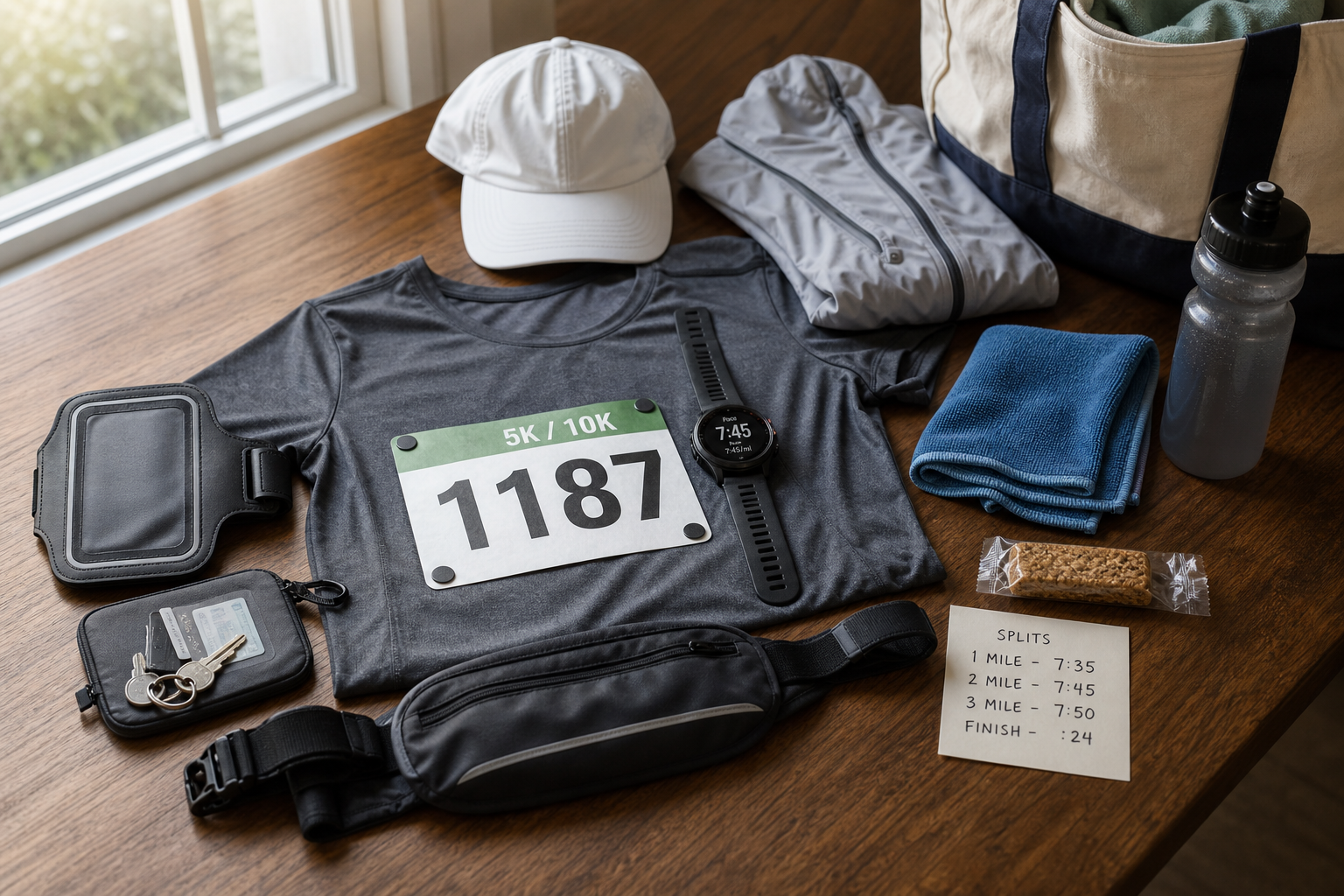
Featured image for: Write a practical guide on building a low-stress race-day pacing kit for crowded local 5Ks and 10Ks, focusing not on shoes or training plans but on the tiny logistics that keep a runner calm and on target. Open with the overlooked problem: many beginners lose pace before mile one because they start frazzled by bib pins, watch visibility, weather shifts, and carrying essentials, not because they are undertrained. Then walk the reader through a category-by-category setup—visibility gear, sweat-resistant storage, lightweight layers, cheap timing aids, and post-finish recovery extras—showing how each item supports smoother pacing decisions during the race. Include guidance on choosing budget-friendly accessories that solve one clear problem each, rather than buying flashy gear with no race-day function. The piece should unfold like a checklist the reader can assemble over a week, ending with a simple ‘night-before and morning-of’ system that removes decision fatigue. The takeaway is that pacing is easier when the environment around the runner is controlled, and that smart preparation starts with affordable, functional tools. Tie in AliExpress naturally by highlighting its strength in inexpensive running accessories, organizers, caps, belts, and weather-flexible add-ons that help newer runners build a complete race kit without overspending.
Gear

How to Build a Low-Stress Race-Day Pacing Kit

The mistake I see first is simple: a lot of beginners lose their pace before mile one because they start frazzled. It’s usually not fitness that trips them up in a crowded local 5K or 10K—it’s bib…
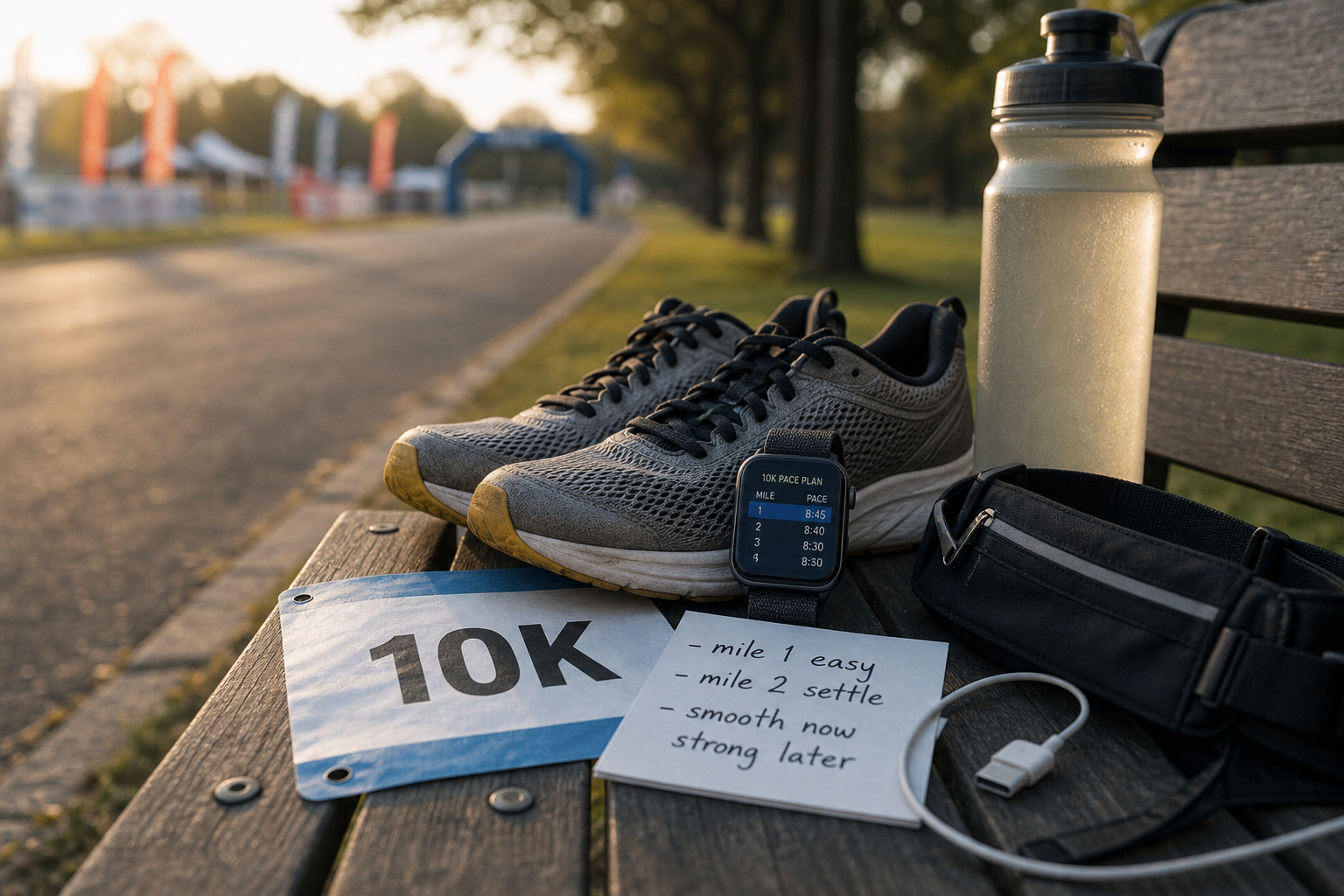
Featured image for: How to pace your first 10K when your training has mostly been 5K-based. Marcus can walk readers through a simple, no-jargon method for turning familiar 5K effort into a smart 10K race plan, including how to judge the first two miles, when to hold back, and how to finish strong without blowing up. The post should feel like advice from a volunteer race pacer: practical cues, common pacing mistakes, and an easy framework beginners can use in training runs and on race day.
Sports

How to Pace Your First 10K Off 5K Training

If your training has mostly lived in the 5K zone, your first 10K can feel bigger than it really is. I’ve paced enough community races to tell you this: most first-time 10K runners do not struggle…
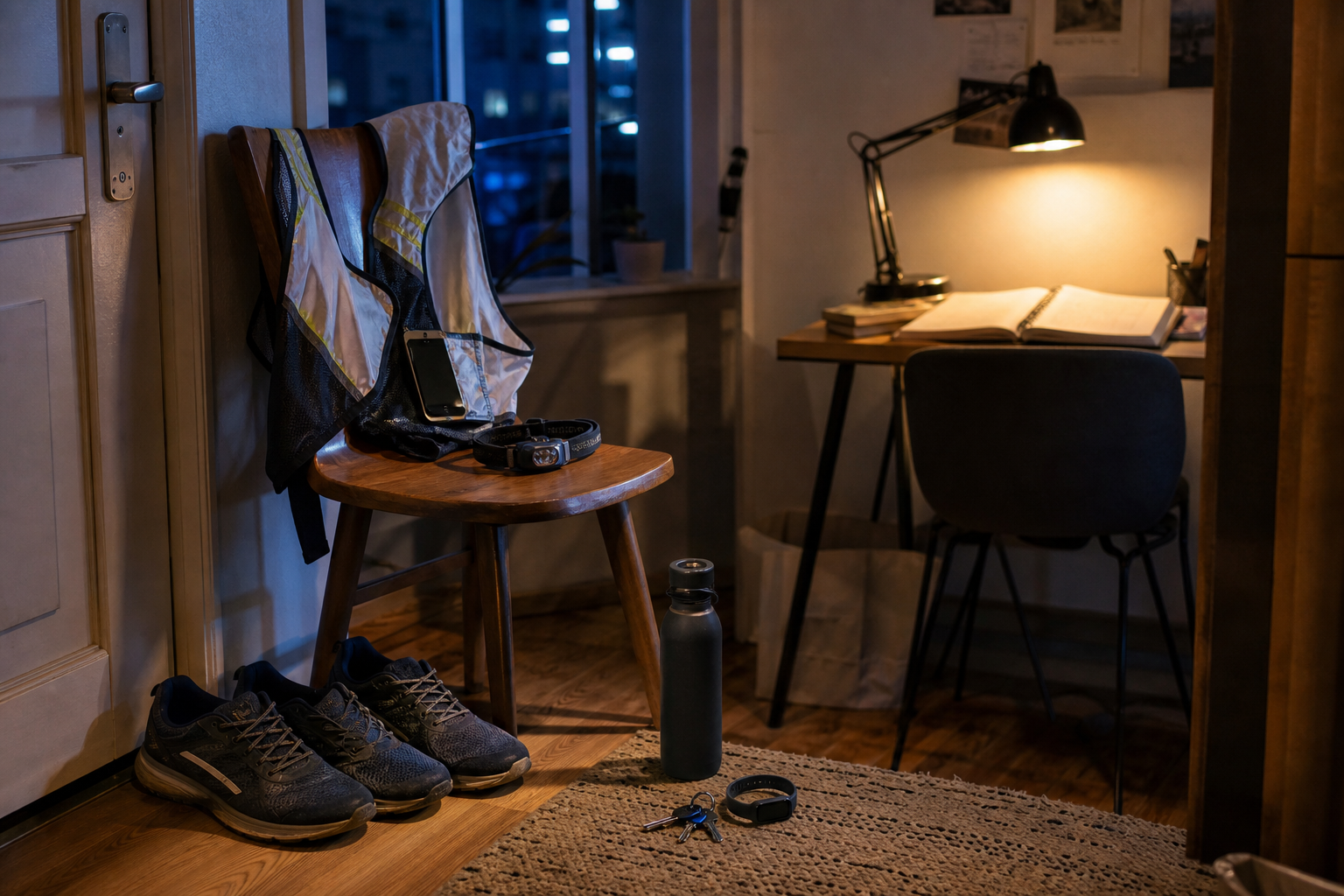
Featured image for: How to build a late-night training and focus setup without buying gimmicks. Jordan Blake can walk readers through the exact gear checklist he’d use for night runs, evening gym sessions, and post-work study blocks, explaining how to choose shoes, wearables, and small comfort upgrades that actually help visibility, tracking, and alertness after dark. The post should lean on his unsponsored, money-saving review style by showing what features matter most at night, what’s overpriced, and how to get a practical setup that works for both fitness and productivity.
Gear

How I Build a No-Gimmick Night Training Setup

I do a lot of testing after dark because that’s when bad gear gets exposed fast. A shoe that feels fine in daylight can turn sketchy on uneven pavement at 9 p.m. A wearable that looks impressive on…
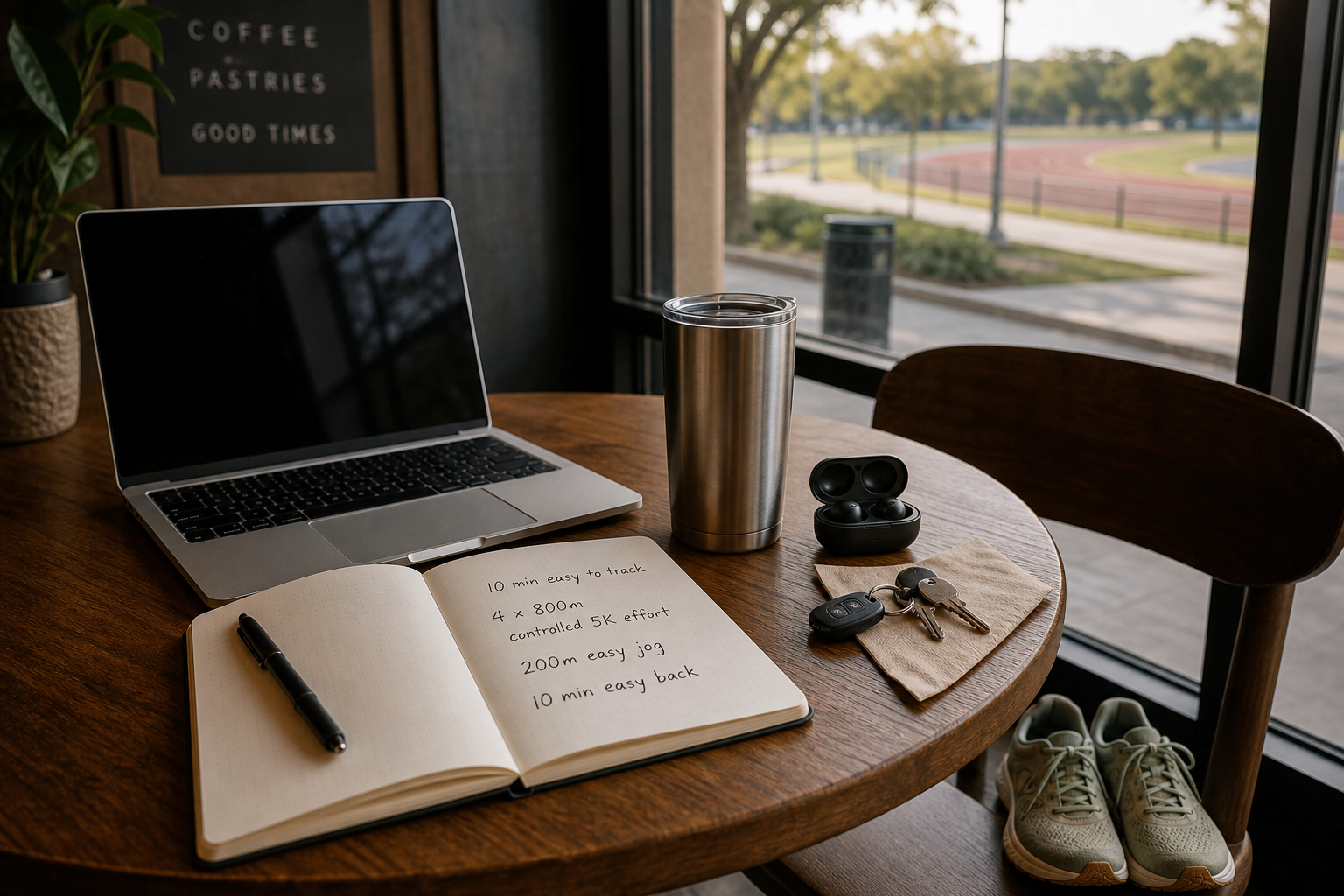
Featured image for: What I Carry on a Café-to-Track Training Day: a story-driven look at how I plan, work, and squeeze in a smart 5K or 10K session without overcomplicating it. Marcus can walk readers through a real day of pacing notes, coffee shop laptop time, and a run that starts right from the café door, showing beginners and busy runners how to stay consistent with simple, public-friendly gear that looks polished but still performs.
Sports

What I Carry for a Café-to-Track Training Day

A few Tuesdays ago, I had one of those calendar days that could have killed a run before it started. I had coaching notes to send, a training plan to clean up, two hours of laptop work to finish, and…

post image
Sports

Why Walking Breaks Make You a Faster Runner

Counterintuitive but true: the runners who walk on purpose almost always outlast the ones who refuse to. Here's the science, and the intervals that make it click.

One good fitness find, every week.

No spam, no hard-sell. Just our best beginner-friendly reads, tested gear and recovery tips — straight to your inbox.