What I Carry for a Café-to-Track Training Day
A few Tuesdays ago, I had one of those calendar days that could have killed a run before it started. I had coaching notes to send, a training plan to clean up, two hours of laptop work to finish, and…
A few Tuesdays ago, I had one of those calendar days that could have killed a run before it started. I had coaching notes to send, a training plan to clean up, two hours of laptop work to finish, and exactly one good window to squeeze in a 5K workout before the evening got away from me.
So I did what I’ve done a lot this year: I took my work to a coffee shop a half mile from the track, claimed a small table by the window, opened my laptop, and built the run into the day instead of waiting for the day to magically make room for the run.
That’s the whole café-to-track training idea in one sentence. If you’re a beginner runner or just a busy person trying to stay consistent, you do not need a complicated setup. You need a clean plan, a few public-friendly pieces of gear, and a run simple enough to start right from the café door.
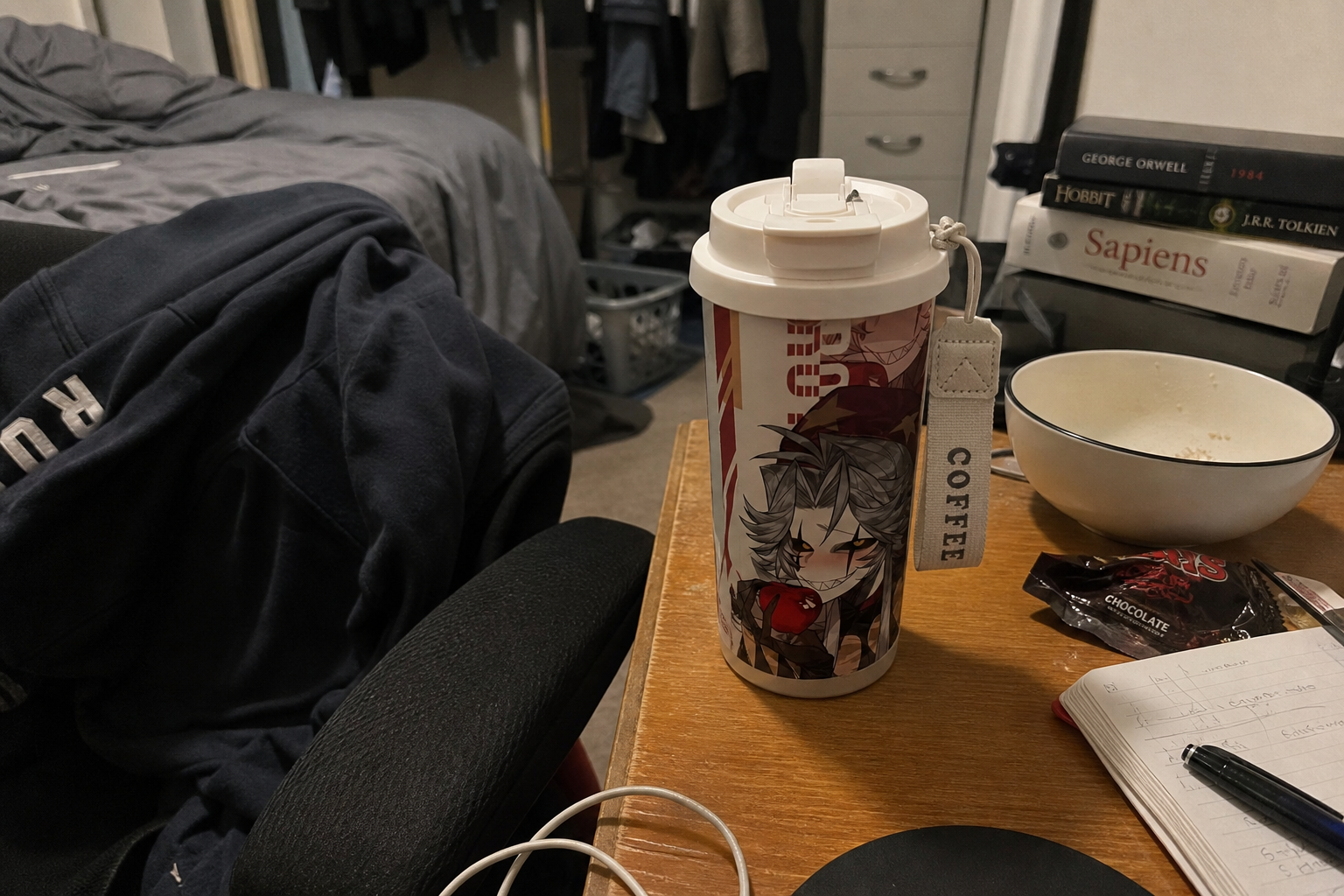
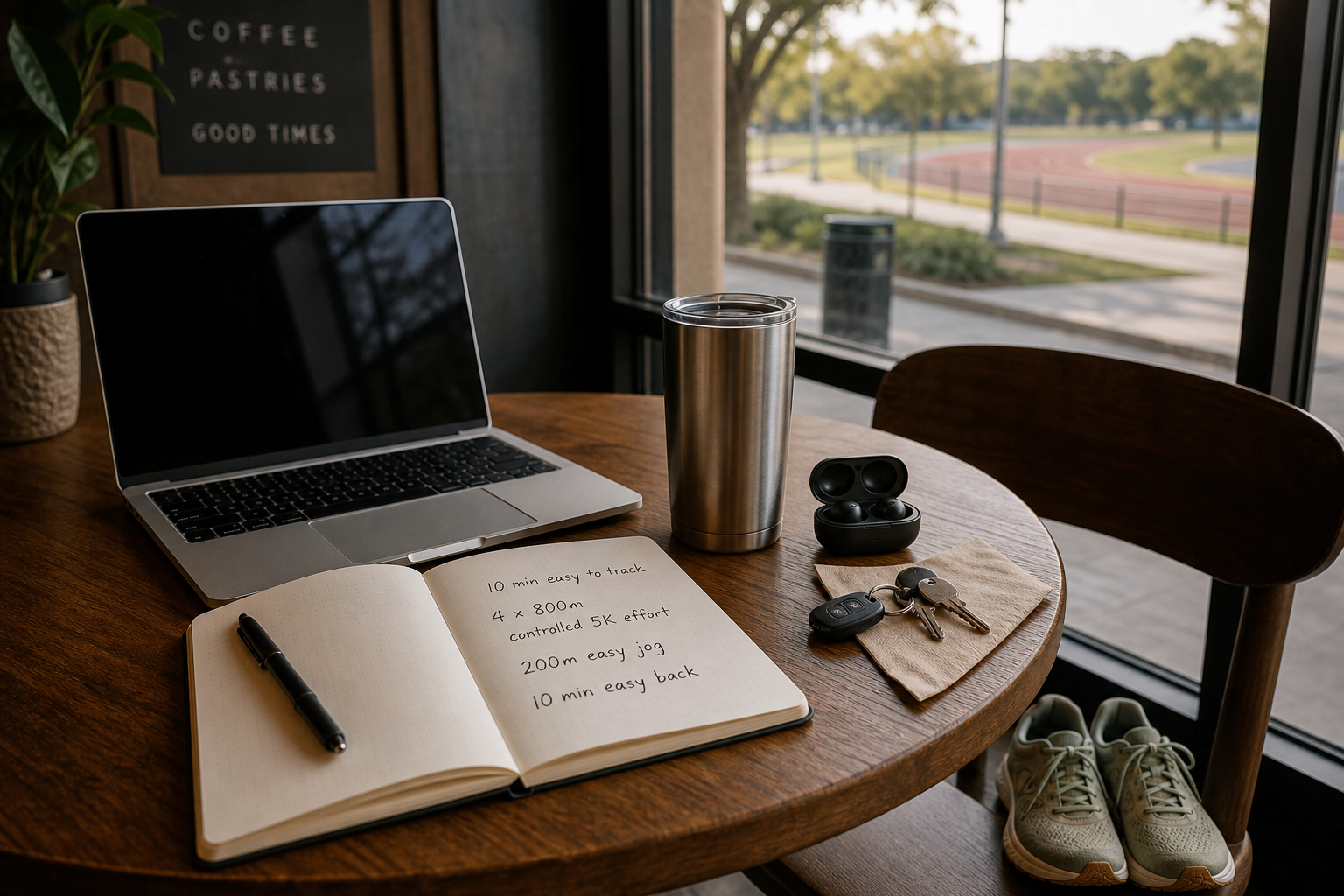
My table looked exactly how you’d expect: notebook open, laptop half charged, keys shoved next to a napkin, and my stainless steel insulated tumbler parked where I could reach it without thinking. That kind of large travel mug works well on days like this because I can use it for coffee early, water later, and I’m not hunting for a second bottle before I head out for the run.
That sounds small, but beginner running is often won by small things. If hydration, caffeine, work, and training all live in separate little systems, the day starts to feel heavy. If they live in one setup, the run feels possible.
The gear I keep simple
I’m careful with café-to-track gear because I don’t want to look like I’m moving into the coffee shop, and I definitely don’t want to carry a bunch of stuff I’ll regret once the workout starts. My rule is simple: if I can’t work in it comfortably and run in it immediately, it probably doesn’t belong in the plan.
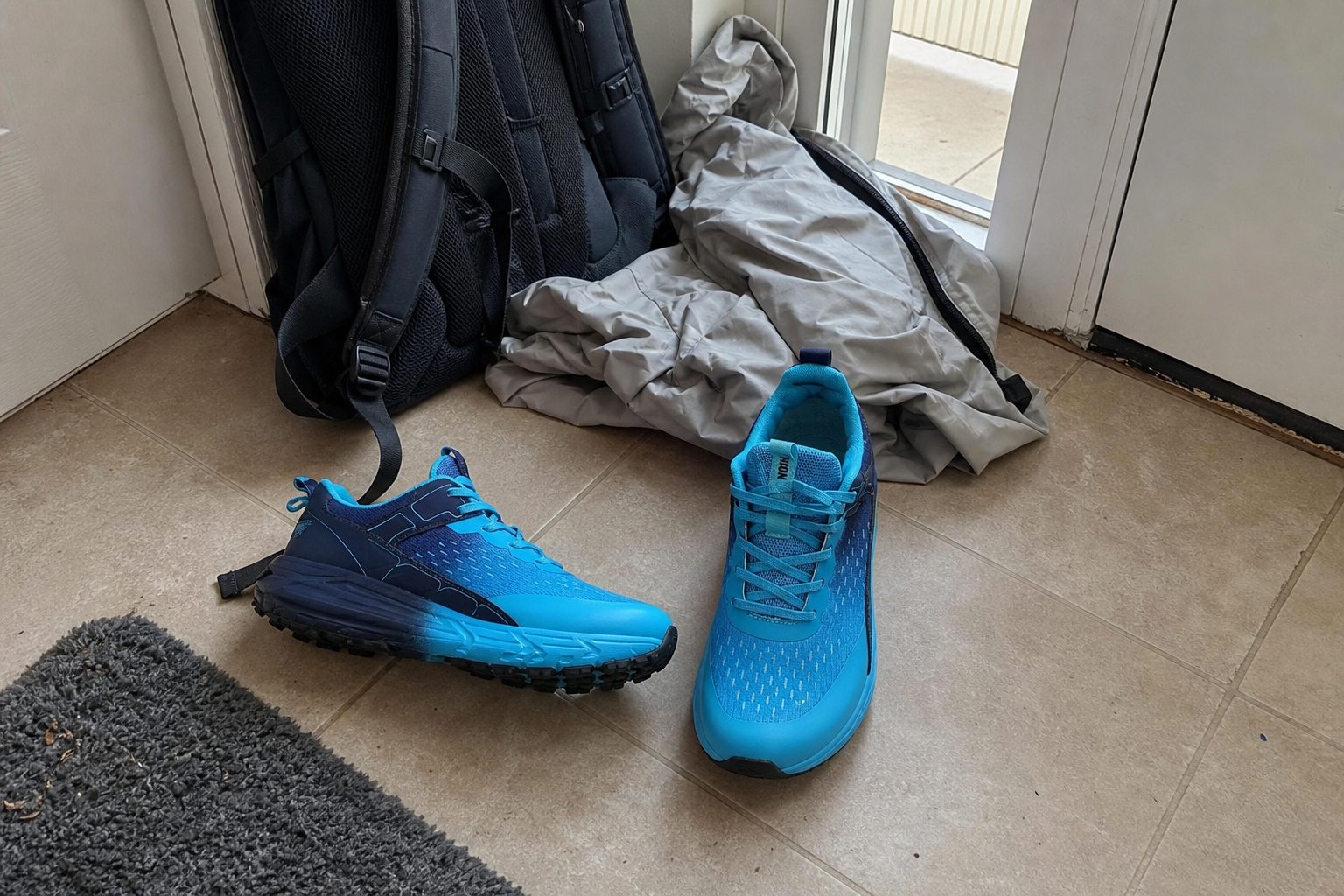
For shoes, that usually means something low-drama and versatile. A pair like these wide toe box sneakers makes sense for a work-and-run day because they lean casual enough for public wear, while still giving you room in the forefoot if your feet swell a bit once you get moving. I wouldn’t tell anyone to treat every casual sneaker like a race shoe, but for an easy 5K, a light progression run, or a short 10K workout, simple and comfortable usually beats flashy.
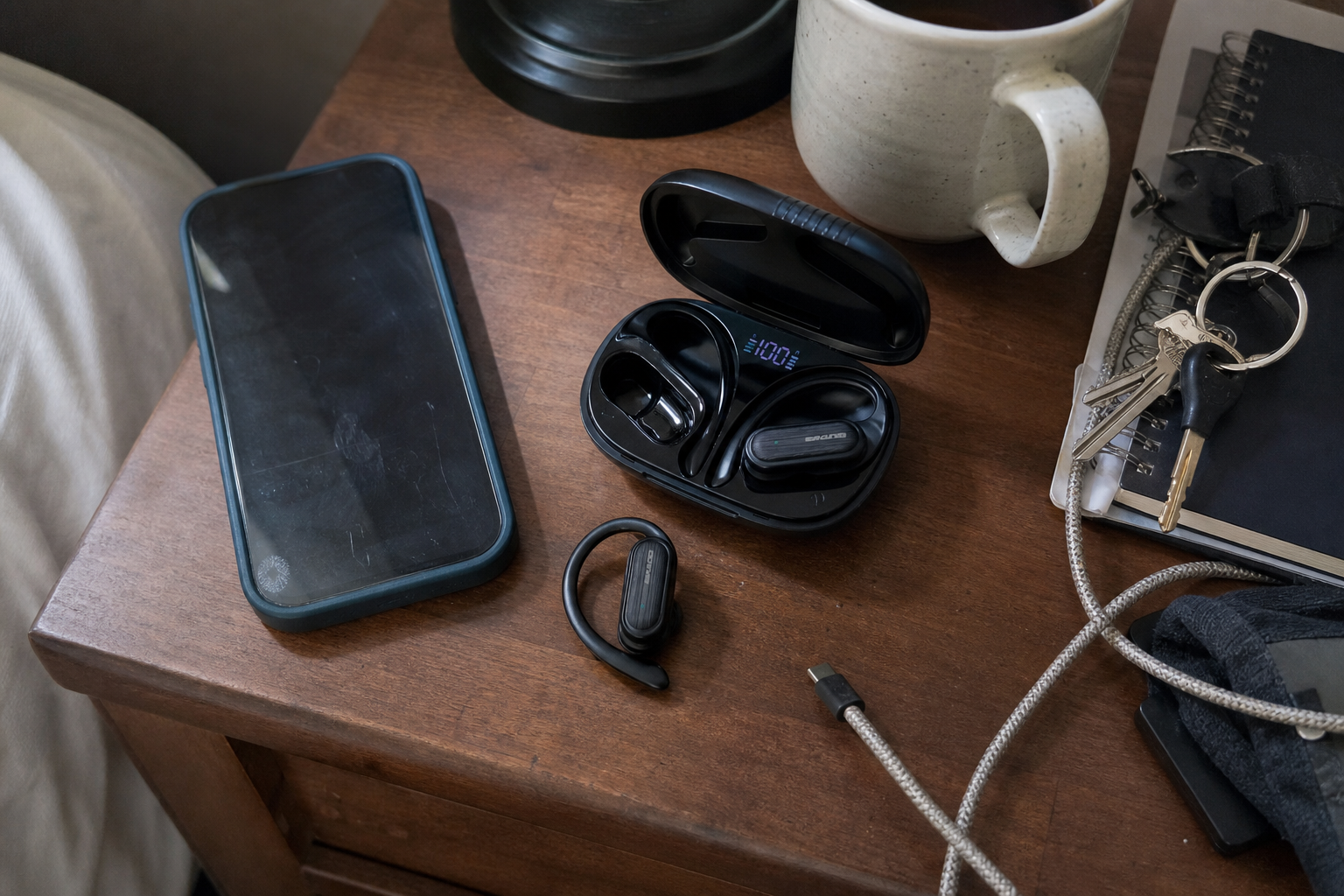
For audio, I only bring earbuds if they’re easy to pocket and easy to ignore when I need to pay attention to my pace. The A520 wireless earbuds fit that job well for me on mixed days like this. I’ll use them for focused laptop work, then switch to one earbud or no music at all once I’m heading to the track.
How I plan the run before I leave the table
This is the part most people skip, and it matters more than gear.
Before I close the laptop, I write the workout in plain language. Not coach language. Not motivational language. Just something so clear that tired brain can follow it.
That day, my note looked like this:
- 10 minutes easy from the café to the track
- 4 x 800 meters at controlled 5K effort
- 200 meters easy jog after each one
- 10 minutes easy back
That’s it. No perfect splits taped to my wrist. No dramatic expectations. Just a smart 5K session I could execute without turning my afternoon into a military operation.
If I’m building a 10K day instead, I’ll often make it even simpler: easy run from the café, 15 to 20 minutes steady, then easy home. Busy runners do better when the workout is clear enough to survive interruptions.
This is also where pacing notes help. I pace races a lot, so I’m always reminding people that pace should feel like a range, not a trap. If you’re newer to running, your best training breakthrough might come when you stop chasing one exact number every lap. I wrote more about that in Why Walking Breaks Make You a Faster Runner, because the same lesson applies here: consistency beats ego, and controlled effort beats forcing it.
The walk out the door is part of the workout
One thing I love about a café-to-track day is that it removes the fake ceremony people think training needs. I don’t need a dramatic warm-up playlist and a perfect launch sequence. I zip the laptop sleeve, finish the last sip of water, stand up, and start moving.
The first few minutes are always awkward. Your legs still think they’re in chair mode. Your shoulders are tight from typing. Your breathing is a little shallow. That doesn’t mean the run is bad. It means you were just being a person before you became a runner again.
I tell beginners this all the time: the transition is the workout skill. Not just the speed. Not just the mileage. The ability to go from normal life into motion without needing ideal conditions is what keeps your training alive.
By the time I reach the track, my stride usually feels honest again. Not magical. Honest. And honest is enough.
What I actually use during the session
On that particular day, I kept the first 800 too quick, which is a classic mistake when your brain is trying to prove you’re still fast after a work block. So I backed off on rep two, settled into rhythm on rep three, and finished rep four strong but not wrecked.
That’s a good session. Especially for a weekday.
I didn’t need more equipment to make it better. I needed less noise. The tumbler had already done its job. The shoes were comfortable enough that I wasn’t thinking about my feet. The earbuds were there when I wanted a little focus, and easy to stash when I wanted to hear my breathing and lock into pace.
If you’re trying to build a 5K training habit or maintain 10K fitness around work, that’s the target. Gear that disappears into the day. Gear that doesn’t ask for attention. Gear that lets you look reasonably polished in public, then turn the corner and just run.
A practical café-to-track setup for beginners
If you want to copy this without overthinking it, here’s the version I’d hand to one of my couch-to-5K runners:
- Pick a café near a runnable route. A track is great, but a park loop works too.
- Wear one outfit that can do both jobs. Comfortable, neat, ready to move.
- Carry one drink container. A travel mug or tumbler keeps things simpler than juggling cups and bottles.
- Write the run in one sentence. Example: “Easy 10 minutes, 3 fast efforts, easy back.”
- Keep the workout modest. You are trying to stay consistent, not audition for the Olympics.
- Start from the door. No extra trip home. No long reset. Just go.
If you struggle with feeling like “real runners” do everything harder than you, let me save you some time: the real runners who last are usually just better at making training repeatable. That’s not glamorous, but it works.
My Verdict
A café-to-track training day is absolutely worth trying if your schedule is tight and your motivation depends on reducing friction. The best gear for it is simple, comfortable, and low-maintenance, especially if you want pieces that feel normal in public and functional once the run starts.
The only real downside is that not every shoe or earbud works equally well for every runner, so keep your expectations practical and choose comfort over hype. For beginners, busy professionals, and anyone trying to make 5K or 10K training feel doable, this setup makes consistency a lot easier.
Disclaimer: As an aliexpress Associate, I earn from qualifying purchases.