Why the Cheapest Fitness Gear Is Rarely the Bargain
Last Tuesday, 6 a.m., I was digging through a drawer for a watch charger I knew I owned, and that tiny search turned into the whole point of this piece. The real bargain in budget fitness gear is…
Last Tuesday, 6 a.m., I was digging through a drawer for a watch charger I knew I owned, and that tiny search turned into the whole point of this piece. The real bargain in budget fitness gear is usually not the cheapest tracker, shoe, or band attachment—it’s the one that won’t become trash in three months because a strap snapped, a cable vanished, or the app quietly died.
That sounds backward when you’re shopping marketplaces like AliExpress, where low sticker prices are the headline. But after enough trail runs, treadmill miles, and home-gym tests, I’ve learned that flashy specs are easy to list and hard to live with. Durability is only part of the story; what matters more is whether the gear stays usable when one small part fails.
This is not another ranked roundup, and it’s not a fake-claim takedown either. I’ve already covered that side of the shopping equation in How I Spot Fake Fitness Gear Claims Fast. What I care about here is the less glamorous question that saves more money: can you repair, reuse, or reconfigure the thing after the first problem shows up?
1. Replacement parts tell you if the product has a future
The first signal I look for is brutally simple: can I reorder the part most likely to fail? If the answer is no, the low upfront cost means very little.
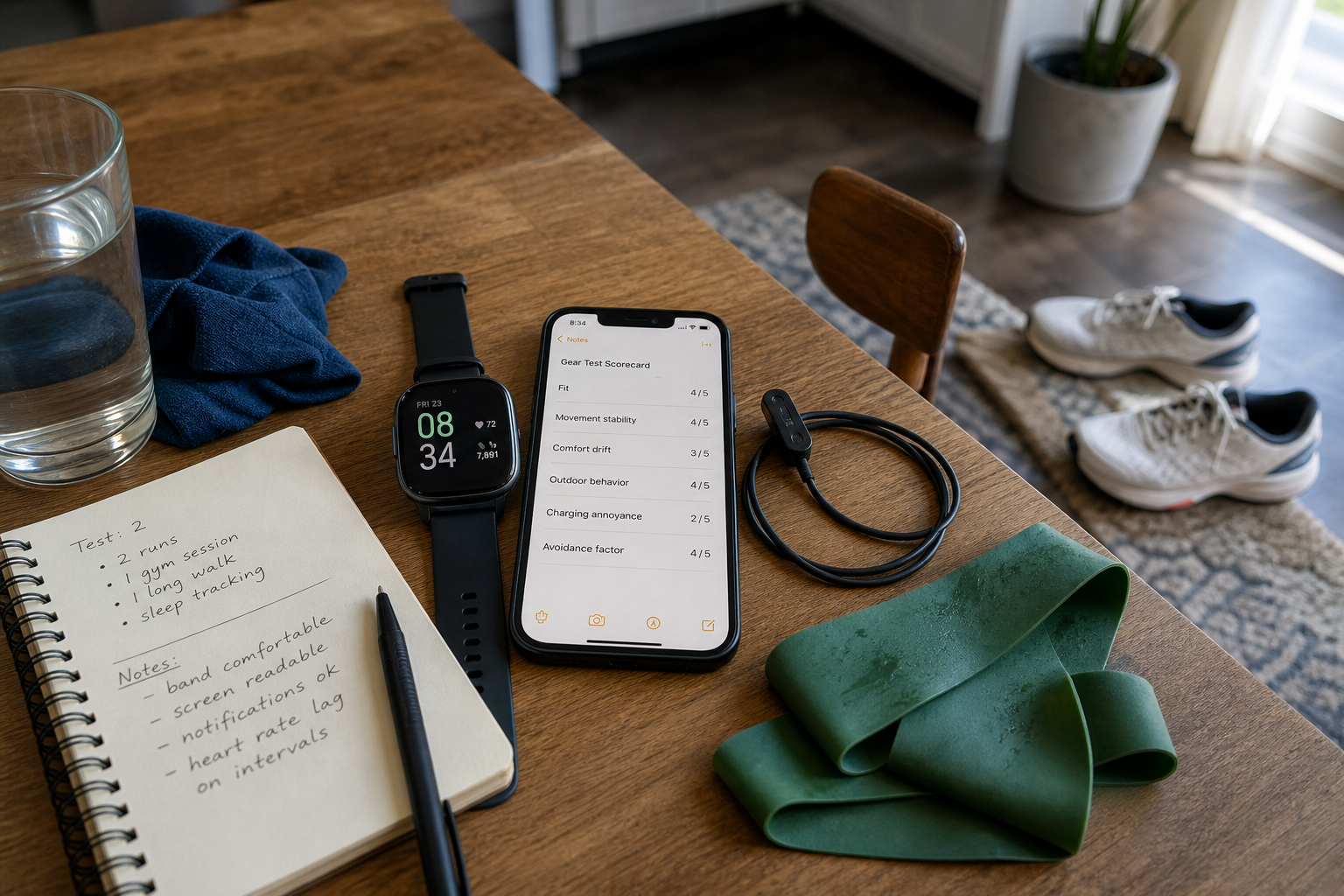
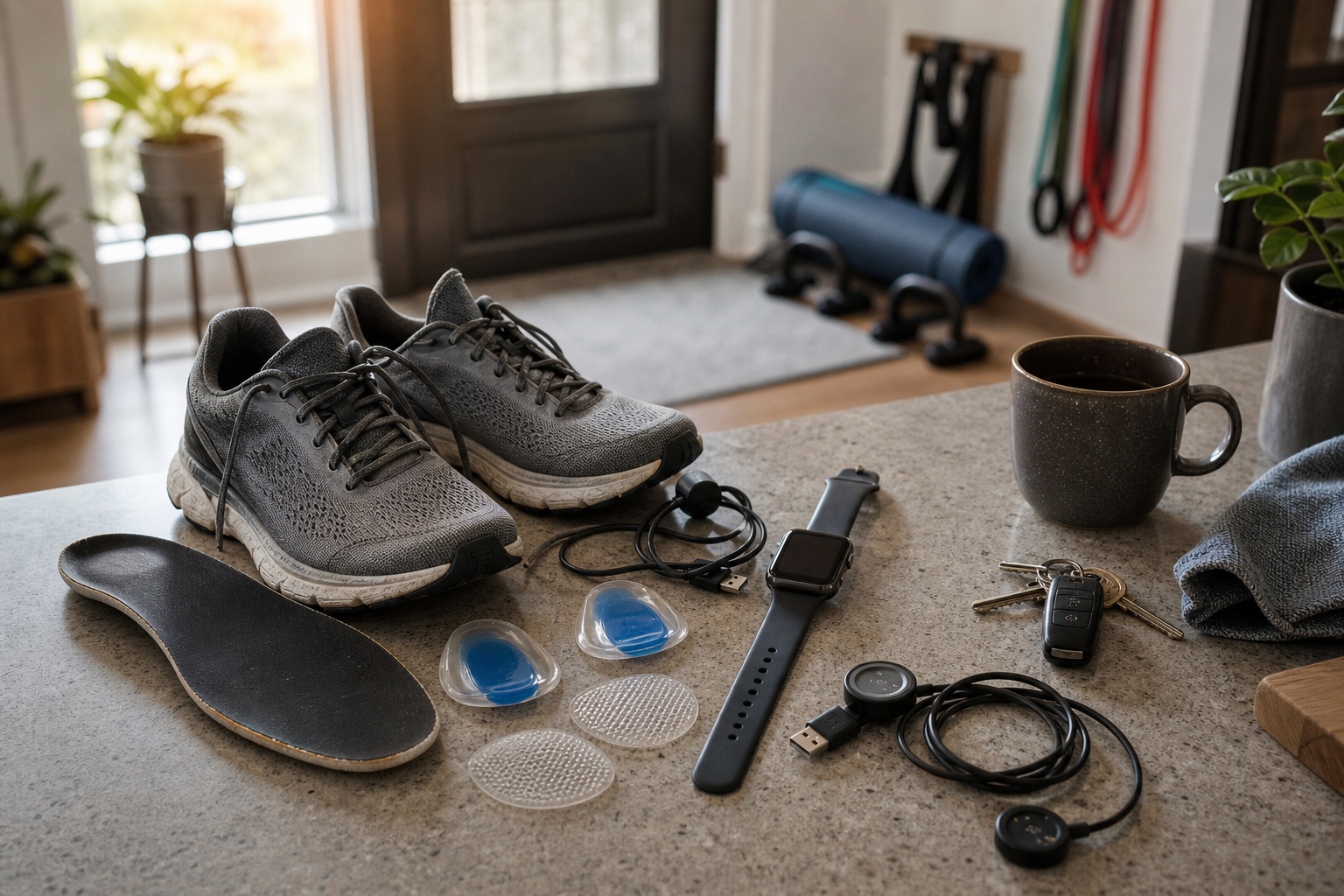
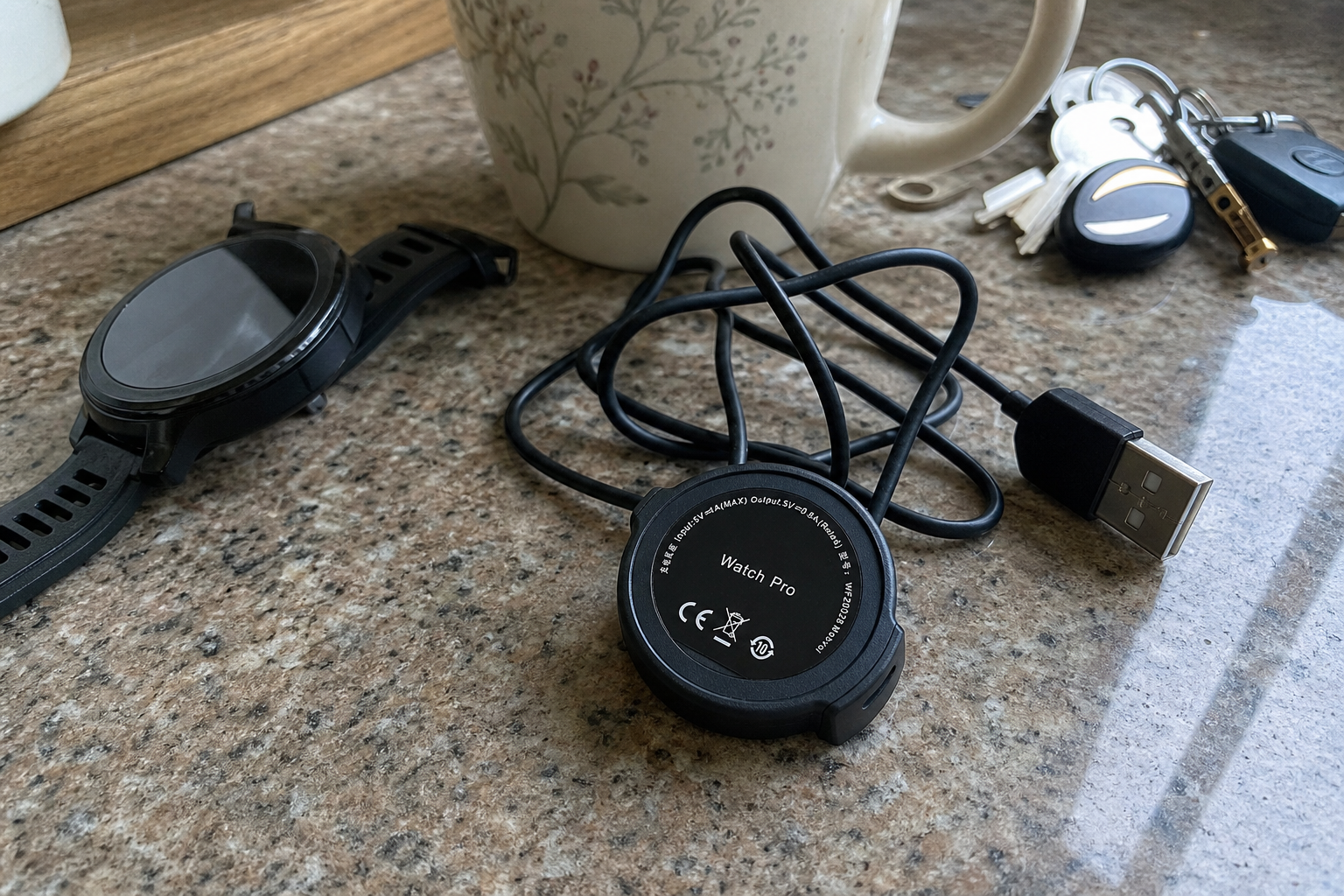
With wearables, chargers are the obvious weak point. A budget watch can be perfectly fine until its magnetic cable disappears into the same black hole that eats single socks. If I can find a dedicated replacement like the ABGN smartwatch charger or a model-specific option like this GS 3 smartwatch dock charger, that watch instantly becomes a safer purchase.
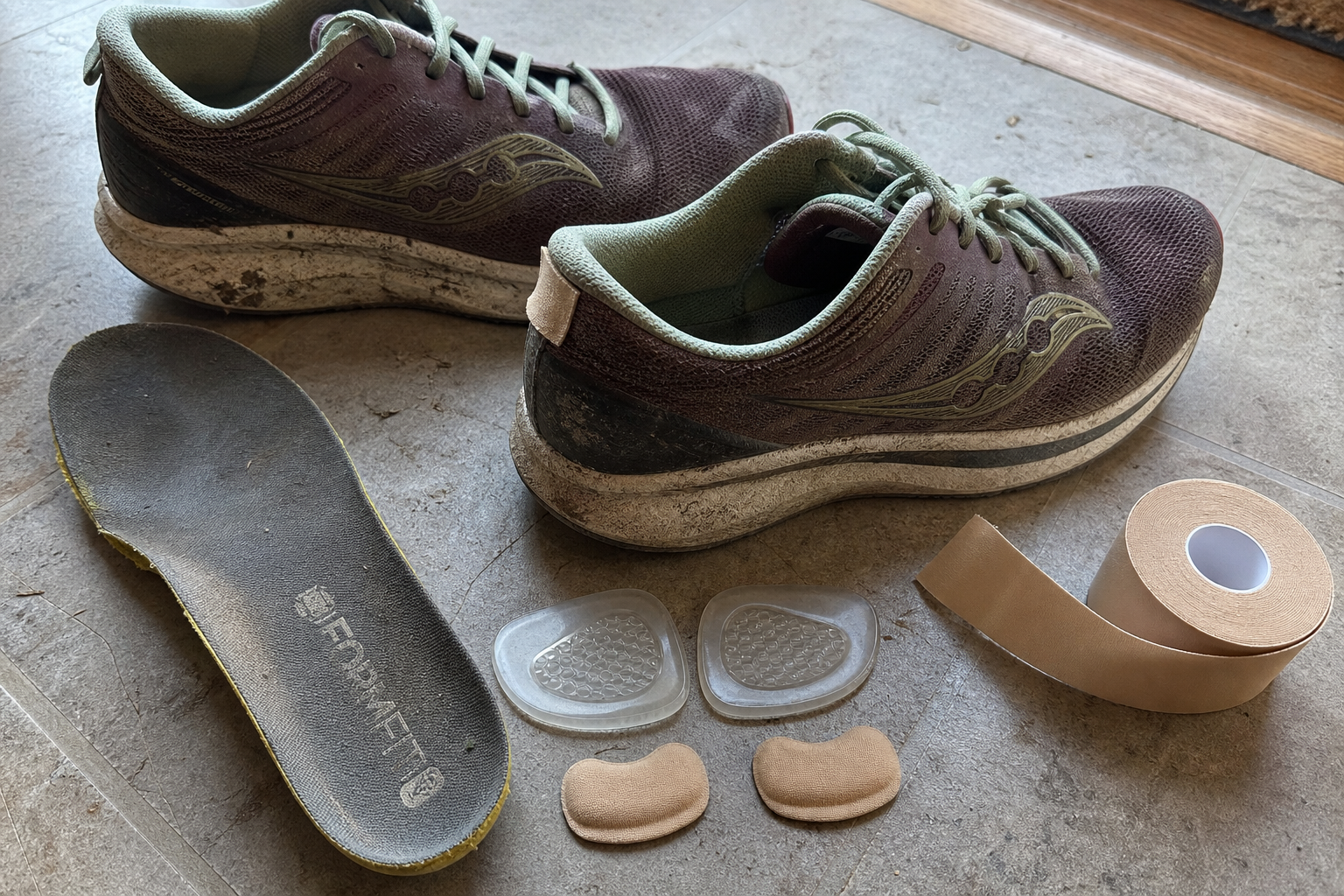
Shoes are similar, just less obvious. Most budget shoes don’t fail because the upper explodes on day one; they fail because the comfort setup breaks down and the shoe becomes annoying enough to stop wearing. That’s why I pay attention to simple replaceable pieces like silicone gel shoe insoles and heel pads. They’re not glamorous, but they can extend the life of a pair that would otherwise get demoted to dog-walk duty.
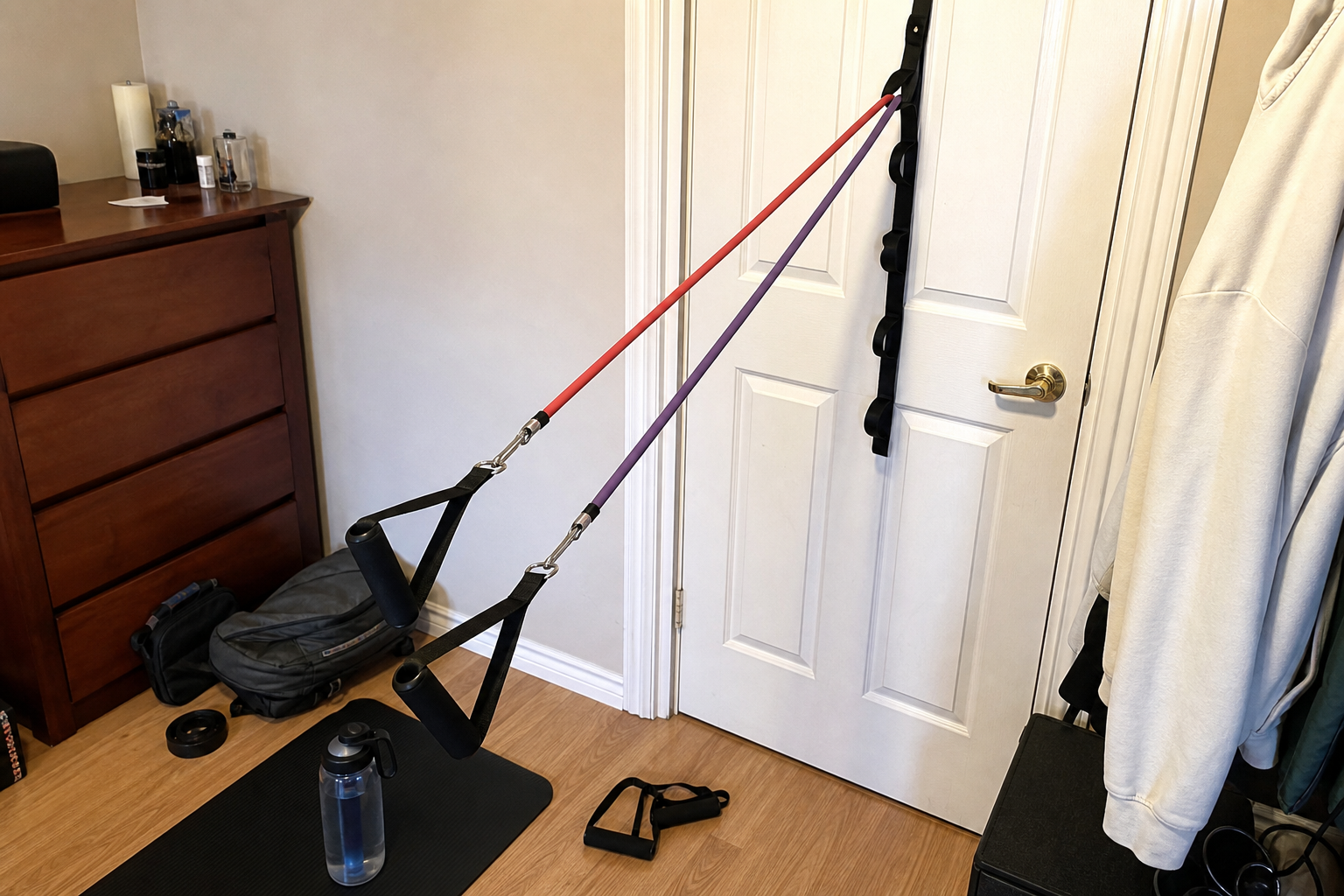
Small training accessories might be the clearest case of all. If a foam grip tears or a door anchor starts looking frayed, I’d much rather replace one cheap component than the whole setup.
- A spare set of ergonomic resistance band handles is cheap insurance if you train at home.
- A backup door anchor strap can keep your band setup going without replacing the tubes themselves.
- Even something basic like a clip-on pedometer becomes a better value if the clip design looks replaceable or the unit can still ride in a pocket.
If one cheap part can kill the whole product, the product was never really cheap.
2. If the app disappears, does the gear still do anything useful?
This is the second filter, and honestly, it knocks out a lot of impulse buys. A budget wearable with a bright screen and a huge feature list is not a win if the companion app gets abandoned, breaks after a phone update, or starts demanding permissions you don’t want to give.
I’m much more comfortable with fitness gear that can still function in a basic way without a proprietary app. A watch that can tell time, log workouts locally, show heart rate trends on-device, or at least act like a usable daily timer still has some life left in it. A simple clip-on pedometer is a perfect example of boring gear that ages well because it doesn’t need a cloud account to count steps.
Shoes and resistance tools actually have an advantage here: they are naturally more app-proof. A shoe either supports your run or it doesn’t. A door anchor and handles either make your resistance setup more usable or they don’t. That kind of analog value matters.
This is also why I like building training setups around standalone pieces instead of chasing one fragile ecosystem. In my no-gimmick night training setup, the best gear choices were the ones that kept doing their job without needing constant software babysitting.
3. A repeatable ecosystem beats one-off hype
The third signal is whether the seller’s setup suggests continuity. I don’t mean brand prestige. I mean signs that the product line is repeatable enough that you’ll be able to find matching parts, similar accessories, or a compatible replacement later.
When a seller has multiple sizes of bands, spare handles, extra anchors, charger variations, clips, straps, and basic repair pieces, that tells me I’m buying into something modular rather than disposable. It suggests the product is part of a system, not just a one-listing sprint to grab clicks.
That matters across categories:
- Wearables: If I can find extra chargers, straps, and dock styles, I’m more willing to trust the device.
- Shoes: If I can easily source heel pads, insoles, and anti-wear inserts, a decent pair gets more usable miles.
- Training accessories: If handles, anchors, and clips are sold separately, my home gym stays flexible instead of fragile.
The sellers I trust most on AliExpress usually look a little less exciting at first glance. Their listings are repetitive in a good way. The catalog says, “Here are the main item, the spare part, the accessory, and the backup,” which is exactly what long-term value looks like.
Where AliExpress actually shines
To be fair, this is also where AliExpress can be genuinely better than bigger retail ecosystems. The platform is excellent for affordable add-ons, easy stockpiling of consumable parts, and modular gear that major brands often overprice.
If I know a watch uses a finicky cable, I’d rather add a spare charger immediately. If a pair of training shoes rubs one heel a little weird, I’d rather patch the issue with replacement pads than toss the pair. If my resistance setup works well, I’d rather keep extra handles or a second anchor around than overpay for a whole branded kit.
That practical side of the marketplace is underrated. AliExpress is at its best when you use it to extend a product’s life, not just to chase the lowest possible entry price.
The counterargument I hear most
I get the obvious pushback: if the item is cheap enough, who cares? Just replace it. And sometimes that logic does hold for ultra-basic gear.
But constant replacement has its own cost in time, setup hassle, inconsistency, and wasted training momentum. A dead charger on a Tuesday morning, a broken handle before an upper-body session, or a shoe comfort issue that flares up mid-run can derail use faster than people expect. The cheapest path is only the smartest path if the product is easy to keep alive.
My checkout filter
Before I order budget fitness gear now, I use one question: can I picture myself repairing, reusing, or reconfiguring this six months from now? If I can’t imagine where I’d get the charger, the insert, the strap, the clip, or the anchor, I usually pass.
That filter sounds simple, but it instantly cuts through a lot of spec-sheet noise. It pushes you toward gear with replacement paths, standalone usefulness, and a seller ecosystem that looks stable enough to revisit.
The Bottom Line
The best budget fitness gear is not the cheapest item on the page; it’s the one that survives small failures without becoming useless. Replacement parts, app independence, and a repeatable accessory ecosystem matter more than flashy feature lists once real life gets involved. AliExpress is especially strong when you use it for modular gear and low-cost spare components, but that value only shows up if you shop with longevity in mind. If you can imagine repairing, reusing, or reconfiguring the item six months from now, it’s probably worth a closer look.
Disclaimer: As an aliexpress Associate, I earn from qualifying purchases.