I Built a Backup Fitness Kit From Overlooked AliExpress Gear
Your main setup never seems to fail on a calm Saturday. It fails when your favorite shoes are still wet, your tracker is dead, your gym bag is half-unpacked, and you have 14 minutes to get out the…
Your main setup never seems to fail on a calm Saturday. It fails when your favorite shoes are still wet, your tracker is dead, your gym bag is half-unpacked, and you have 14 minutes to get out the door. That’s the moment a workout gets skipped—not because you lack motivation, but because you don’t have a reliable second-string kit ready to go.
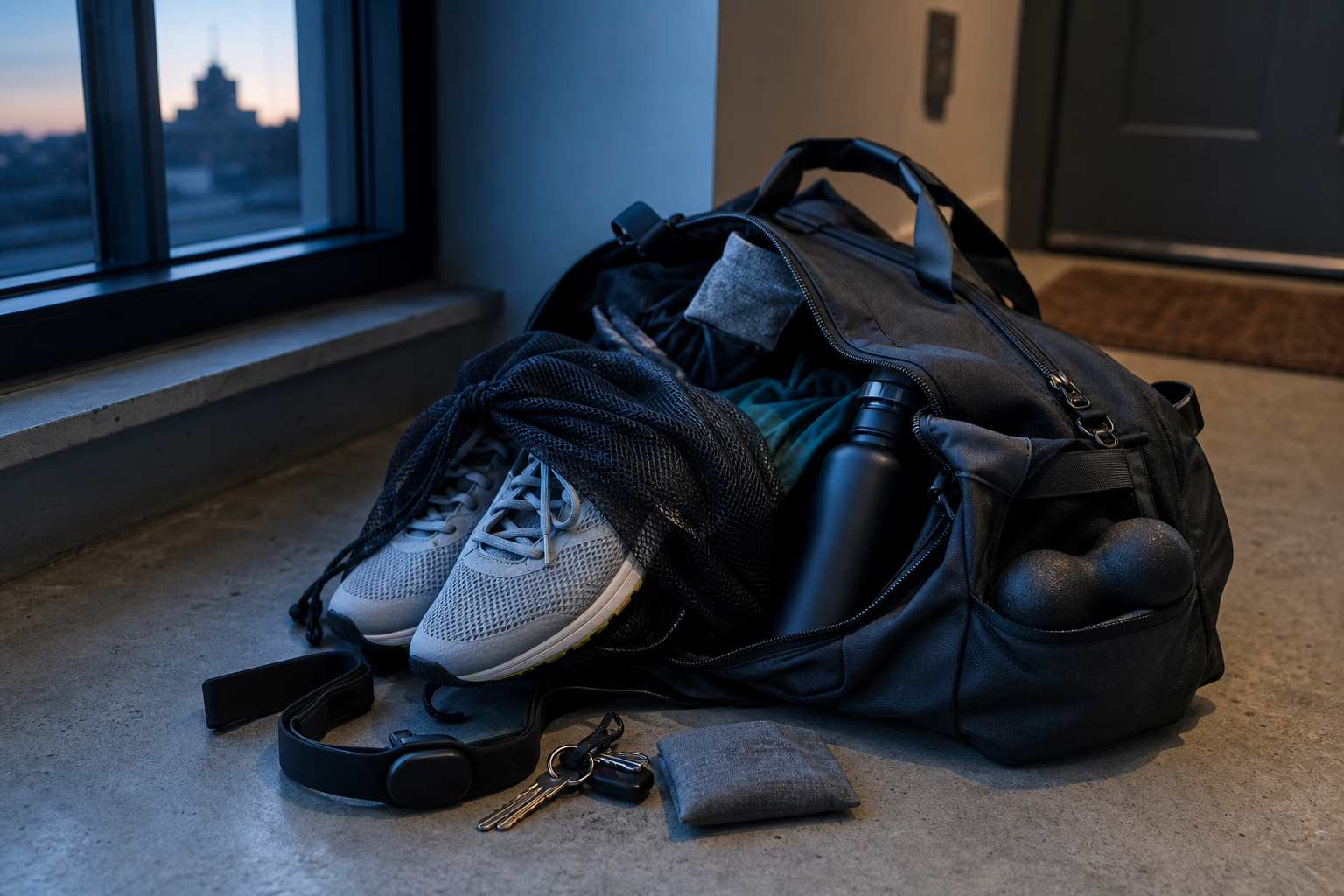
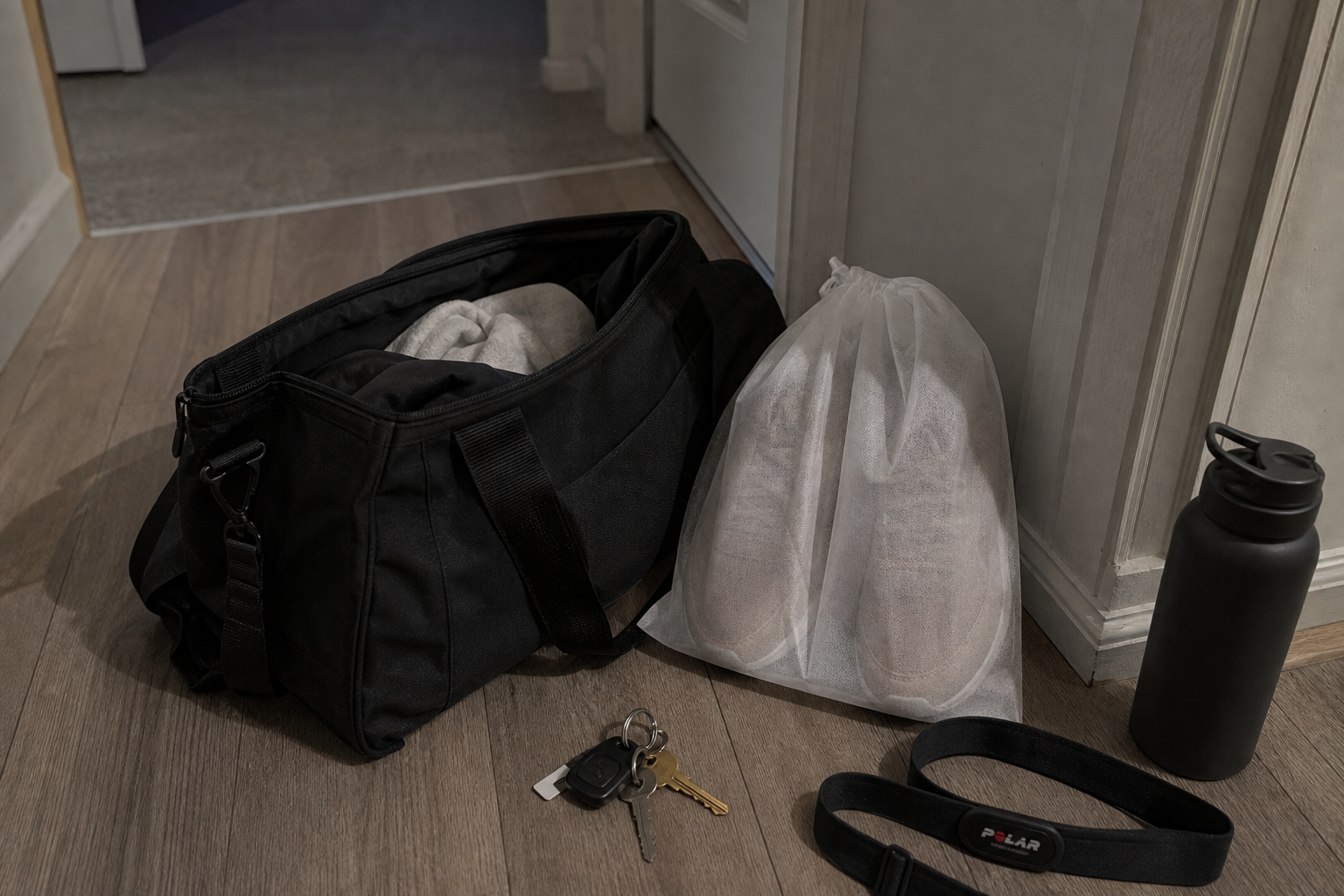
So for two weeks, I stopped chasing polished listings and top-rated favorites and built a complete backup setup from AliExpress gear that looked a little mediocre on the page but had promising specs. My bench unit was simple: a pair of backup running shoes, a chest strap, a compact recovery tool, and a basic organizer system for my gym bag.
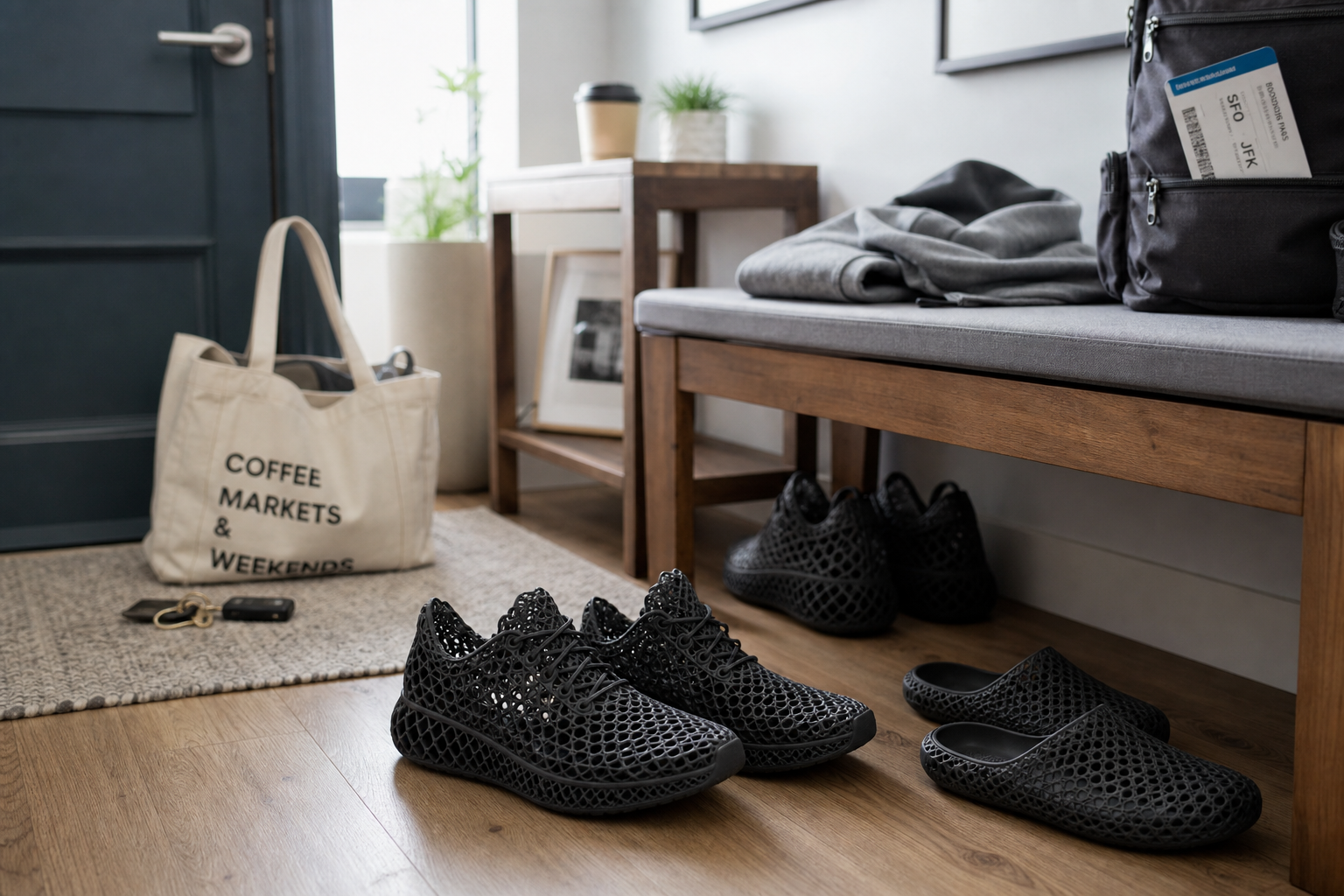
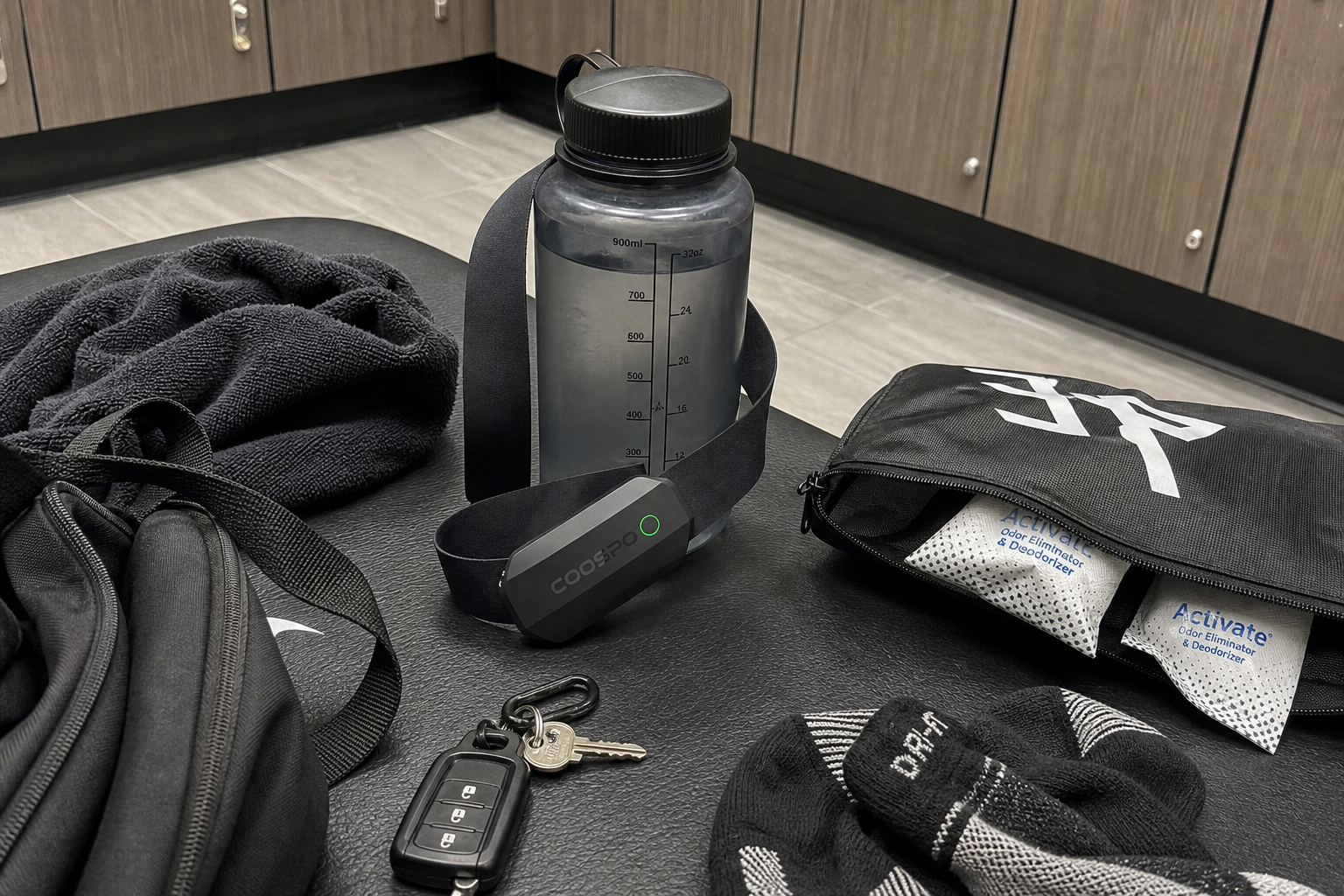
I ended up using a pair of mesh backup running shoes, the COOSPO H808S chest strap, an peanut massage ball set, and a dirt-simple combo of a drawstring shoe storage bag and charcoal deodorizer bags to keep the whole backup bag usable between sessions.
Why I tried this at all
I’m pretty disciplined about having a main running setup, but I’m less disciplined about having a spare one that’s actually ready. “Backup gear” sounds smart in theory. In real life, it often means an old shoe with dead foam, a strap you forgot to pair, and random small items floating loose at the bottom of a bag.
That’s what I wanted to fix. Not with a perfect premium duplicate of my favorite gear, but with a good-enough bench that would keep me moving on chaotic mornings.
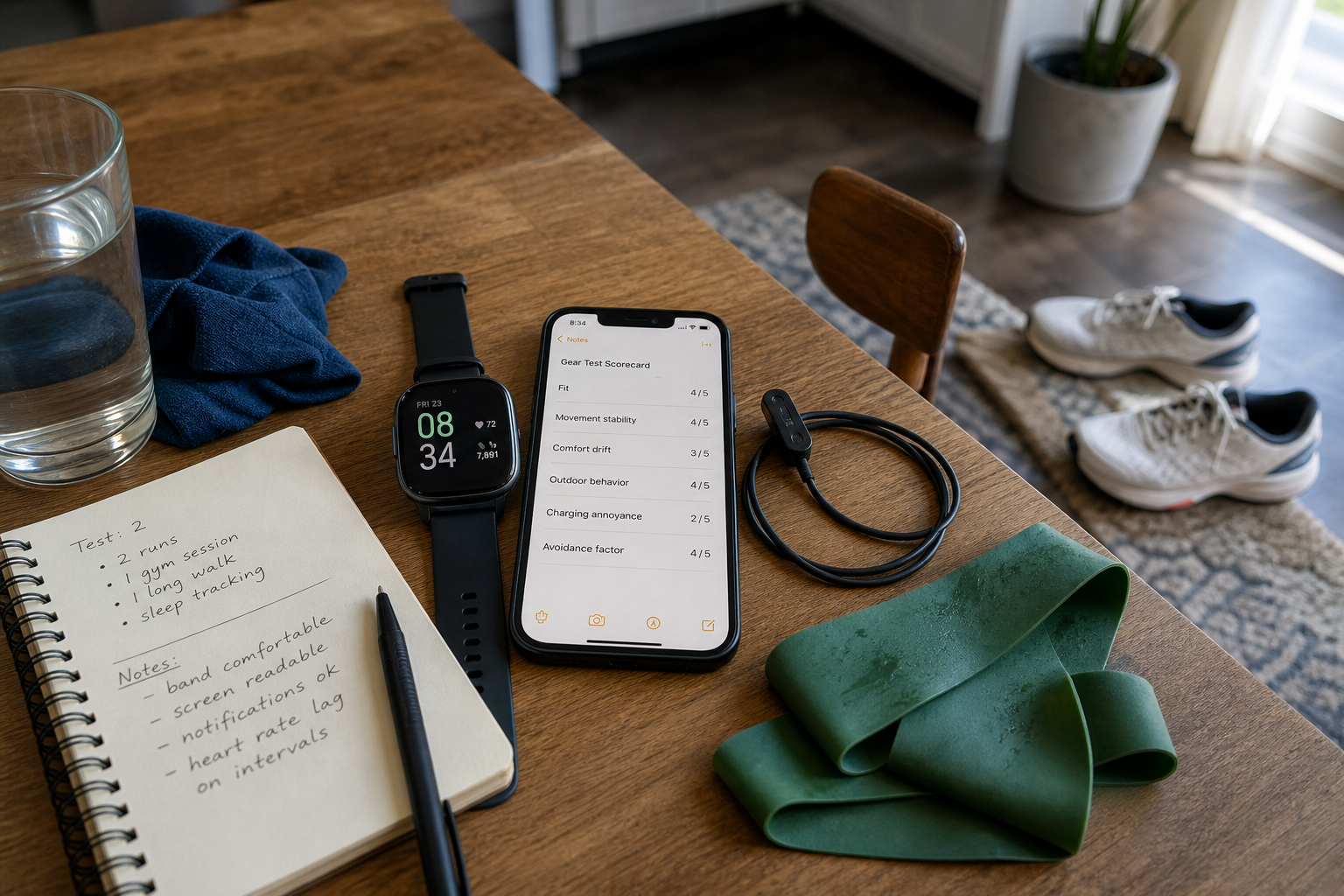
This also felt like a natural extension of the low-friction mindset I wrote about in my no-gimmick night training setup. The best gear is often the gear that removes one excuse at exactly the right moment.
What I packed for the two-week test
- Backup shoes: the mesh running sneakers
- Heart-rate backup: the COOSPO H808S
- Recovery tool: the massage peanut ball set
- Bag control: the shoe storage pouch plus charcoal deodorizer bags
Nothing here was meant to be elite. The goal was simple: every item had to be easy to store, easy to grab, and good enough that using the backup kit didn’t feel like punishment.
Days 1-3: what gets grabbed on rushed mornings
On day one, I left my normal shoes drying after a wet run and forced myself to use the backup pair for an easy 4 miles. The first surprise was that the mesh running sneakers didn’t feel flimsy underfoot. They were clearly firmer and less refined than my regular daily trainers, but the upper breathed well and the ride was stable enough for short, easy mileage.
Day two was a strength session, and this is where the bag setup mattered more than the shoes. Because the backup pair lived inside the shoe storage bag, I didn’t get the usual grit and sock lint coating everything else. That sounds minor until you’ve spent too many mornings digging around for a chest strap under a damp shoe.
Day three was my first chest-strap run. The COOSPO H808S paired quickly, and more importantly, it stayed connected. For backup gear, that matters more to me than fancy app presentation. If a chest strap works every time I’m half awake at 6 a.m., it’s already doing the job.
Days 4-7: trust only comes after repeated use
By the end of the first week, I noticed something useful: I wasn’t evaluating these items like “budget alternatives” anymore. I was just reaching for them.
The chest strap earned that trust first. Wrist-based heart rate is fine until cold weather, hills, or sweaty intervals make it weird. The COOSPO H808S wasn’t glamorous, but my recorded effort made sense against pace and terrain across several sessions. That’s my “good enough” threshold for a backup sensor.
The shoes took longer. On run four, I stopped noticing the basic foam and started noticing the upper instead: it was airy, didn’t create hot spots, and dried faster than one of my nicer-looking daily pairs. For short runs, treadmill work, and travel workouts, the mesh pair was more useful than I expected.
The charcoal bags also helped the whole setup stay grab-ready. I used the deodorizer bags inside the shoe pouch after sweatier sessions, and while they’re obviously not magic, they cut down that stale closed-bag smell enough that I didn’t dread opening the backup bag.
The real test for backup gear is whether it quietly removes friction when you’re in a hurry.
Days 8-10: the surprise reversal
Halfway through, the least impressive-looking item became my favorite: the plain peanut massage ball.
It looked like the most forgettable product in the whole experiment. But because it was tiny, light, and easy to wedge between my lower back and the wall after a run, I actually used it far more often than my larger recovery tools at home. It lived in the bag full-time, took almost no space, and turned five dead minutes before a shower into real calf and glute work.
Meanwhile, the better-looking item—the shoes—proved slightly more annoying in practice than I expected. Not bad, just more limited. The upper and drying time were solid, but the underfoot feel got harsh beyond easy-run distance for me, and the lacing needed more fiddling than my regular trainers to feel locked in without pressure on the top of the foot.
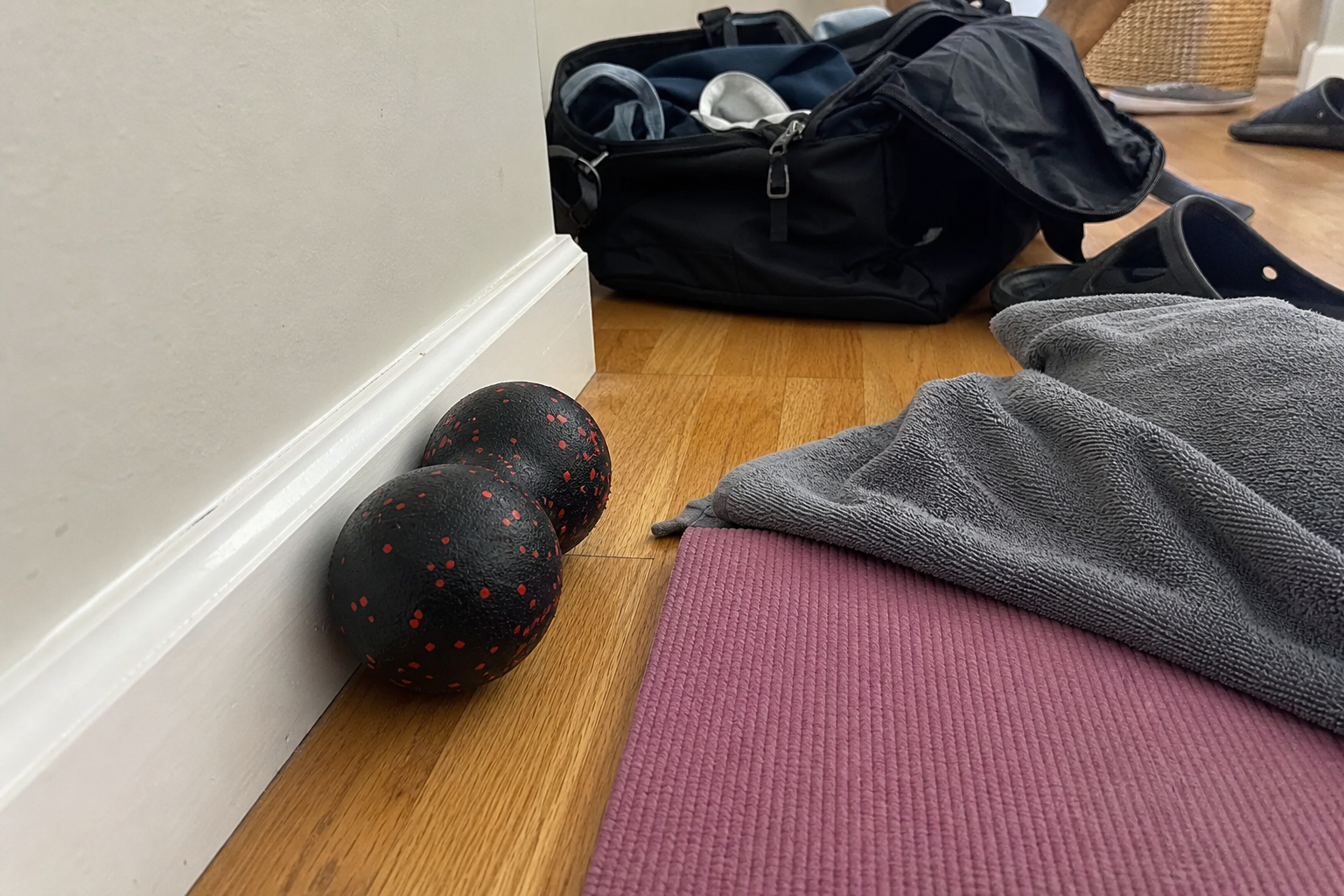
That reversal ended up being the whole lesson. A backup kit doesn’t win by looking the best. It wins by being the thing you’ll still use when you’re tired, rushed, or mildly annoyed.
Days 11-14: where cheap backup gear beat my primary gear
By the second week, I had a few moments where this cheaper bench setup quietly outperformed more expensive gear I already own.
- The COOSPO H808S was more consistent than a wrist sensor on cooler morning runs.
- The massage peanut ball got used more than bulkier recovery gear because it was always in reach.
- The shoe pouch kept my bag cleaner than my usual “just toss everything in” system.
The shoes never became my preferred choice for longer outdoor runs, and that’s important to say plainly. But that’s also not what a backup kit is for. It’s there to prevent the “I guess I’ll skip it” spiral.
By day fourteen, the backup bag had become its own self-contained system. Shoes in pouch, strap already adjusted, recovery ball still inside the side pocket, deodorizer bags doing their quiet housekeeping. That level of readiness matters more than prestige.
What I’d do differently next time
If I rebuilt this second-string fitness kit, I’d keep the structure but get pickier about category limits.
- I’d still buy a cheap backup chest strap, but only if pairing options are clearly listed and the strap looks easily replaceable.
- I’d absolutely keep a compact recovery tool in the bag full-time. This was the easiest win of the whole test.
- I’d continue using a basic shoe pouch and odor-control add-ons because organization is what makes backup gear actually usable.
- I’d be more conservative with backup running shoes: fine for easy miles and gym use, but I wouldn’t expect a bargain pair to cover speed work, long runs, or tricky trail days.
What to look for in a low-cost backup kit
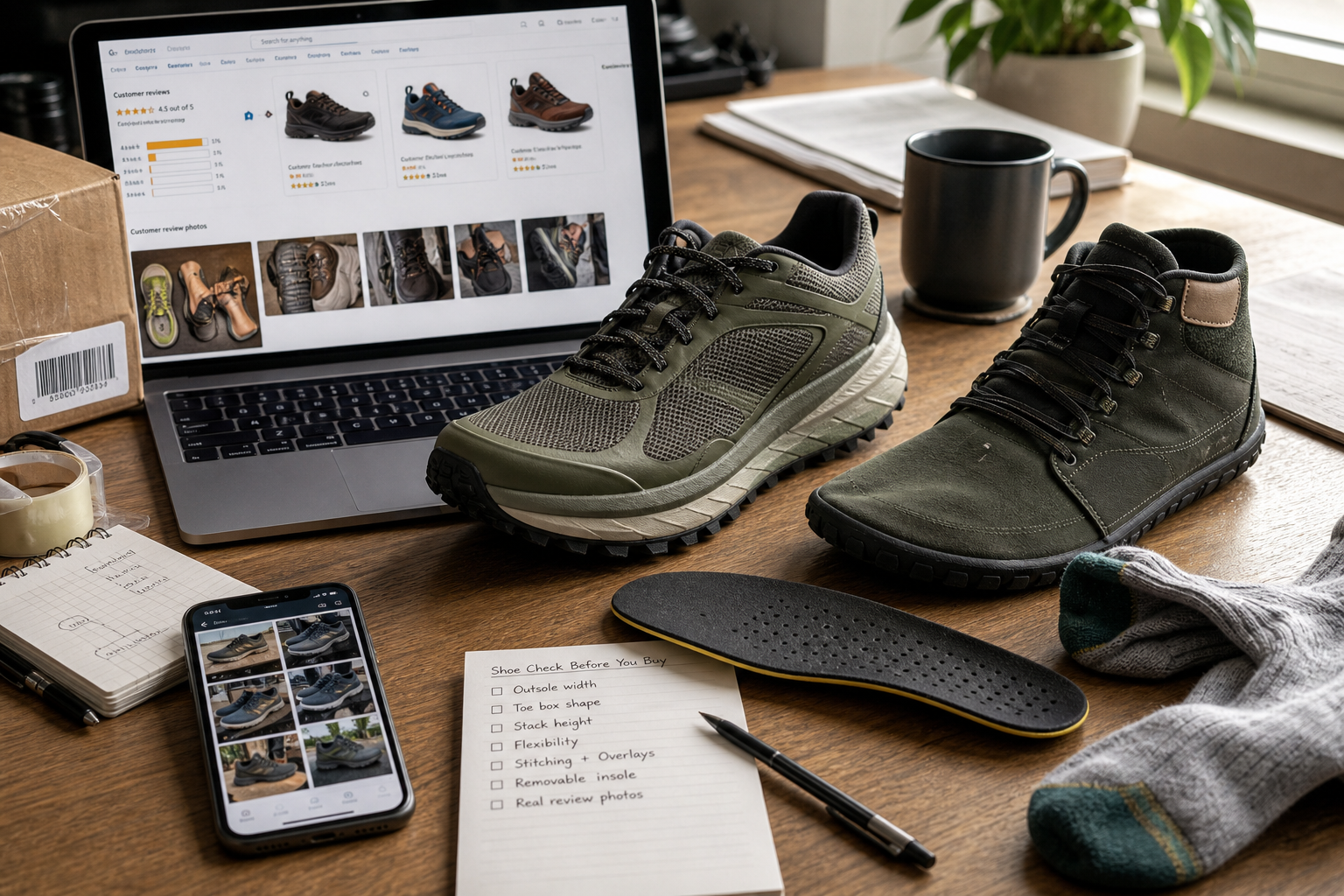
If you’re assembling a cheap fitness backup kit, I’d focus less on ratings theater and more on three filters: durability signals, good-enough performance, and failure consequences.
1. Durability signals
- Simple construction with fewer moving parts
- Materials that don’t mind sweat, being stuffed in a bag, or quick drying
- Closures, stitching, and strap hardware that look boring but solid
2. Good-enough performance thresholds
Your backup gear does not need to be excellent. It needs to clear a minimum bar reliably.
- Shoes: stable, comfortable for short sessions, no rubbing, decent grip for basic surfaces
- Chest strap: pairs fast, holds connection, readings broadly match effort
- Recovery tool: easy to carry, easy to use without setup, firm enough to do something
- Organizer: keeps dirty and clean items separated so the bag stays functional
3. Safest categories to buy cheap vs. categories to avoid
The safest cheap buys are the ones where “pretty good” is enough and failure won’t ruin your whole session.
- Safest to buy cheap: organizers, storage pouches, deodorizer accessories, simple recovery tools, backup heart-rate straps from known budget brands
- More caution needed: running shoes, especially if you need real cushioning, precise fit, or higher-mileage durability
- Worth avoiding as ultra-cheap backups: anything safety-critical or highly fit-dependent for your body and training style
My Verdict
After two weeks, I’m sold on the idea of a backup fitness kit, not on the fantasy that every cheap item is secretly premium. The chest strap, massage ball, shoe pouch, and deodorizer bags all earned their place because they removed friction and stayed ready to use. The shoes were serviceable rather than special, which is still a win if they save an easy run or gym session. If your goal is to stop skipped workouts without overspending, build a bench: simple, durable, good enough, and always packed.
Disclaimer: As an aliexpress Associate, I earn from qualifying purchases.