Your Recovery Nutrition Problem Might Be Your Kitchen
A reader emailed me recently to say she kept “failing” at post-workout eating, but when she described her routine, what jumped out wasn’t low discipline. It was a drawer full of lidless containers,…
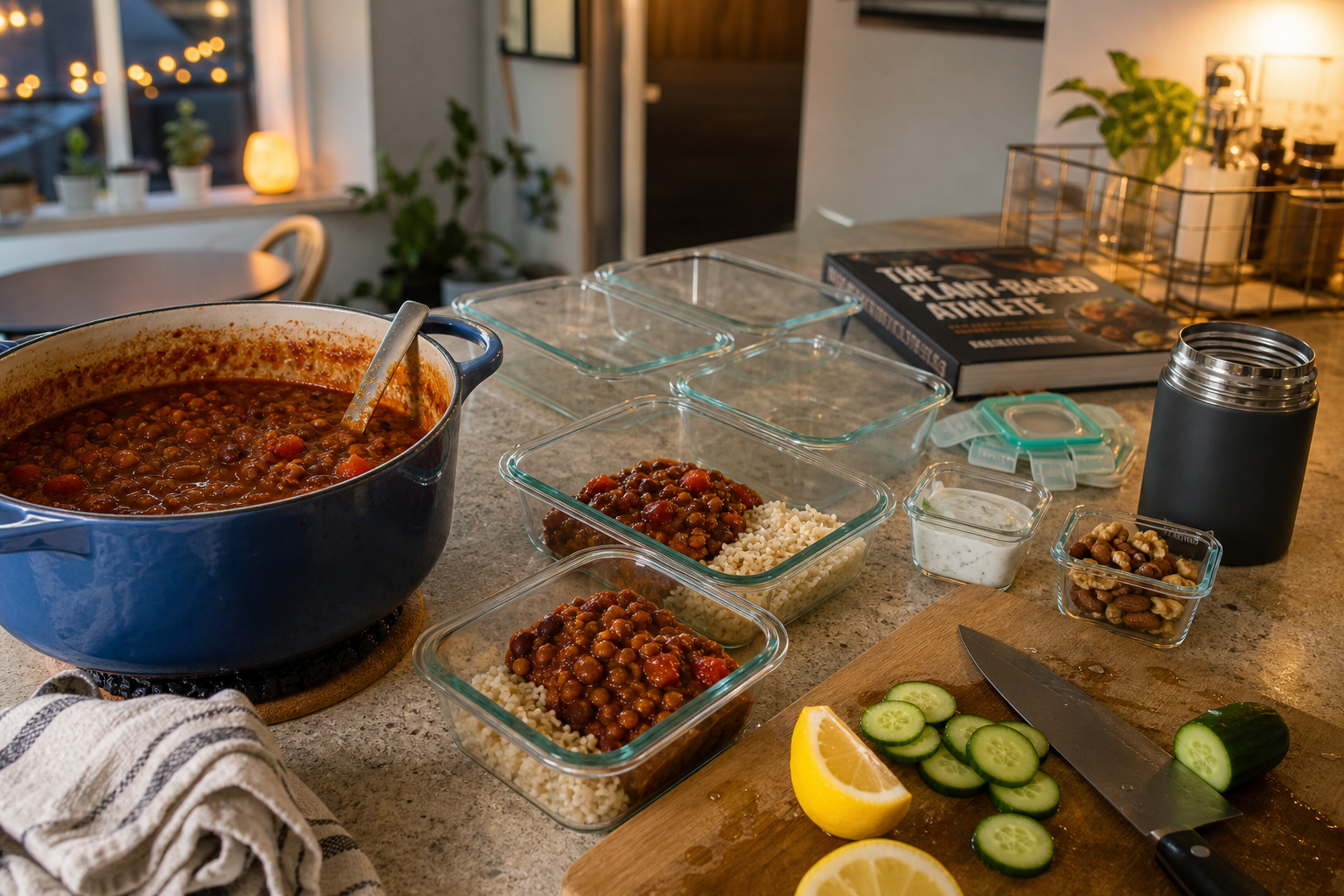
A reader emailed me recently to say she kept “failing” at post-workout eating, but when she described her routine, what jumped out wasn’t low discipline. It was a drawer full of lidless containers, one useless knife, and no easy way to pack leftovers before the evening got away from her.
So here’s my strong opinion: most people do not have a motivation problem after training or long workdays—they have a cookware, storage, and setup problem. Recovery nutrition advice is still far too obsessed with what to eat and not nearly focused enough on the tiny bits of kitchen friction that quietly drain follow-through.
Yes, protein matters. Carbs matter. Fluids matter. But if making the meal, saving the leftovers, or packing the snack feels weirdly annoying every single time, good intentions lose to fatigue fast.
I’ve written before about building a recovery station that actually gets used, and this is the same idea brought into the kitchen: the environment decides a lot. The more decisions, rummaging, scrubbing, and improvising a meal requires, the less likely you are to hit the basics consistently.
Micro-friction #1: Bad containers turn good food into a one-night event
The first barrier I see all the time is mismatched storage. Someone makes chili, rice, roasted potatoes, or yogurt bowls once, eats one serving, and then the rest sits in a giant pot or awkward bowl because there’s nowhere obvious to put it.
That matters for recovery more than people realize. Leftovers are often the bridge between one decent meal and another. If yesterday’s protein and carbs are easy to portion and reheat, today’s post-training meal is half done already.
When storage is chaotic, a few predictable things happen:
- protein gets forgotten in the back of the fridge
- cooked carbs never get portioned into grab-and-go amounts
- soups, oats, and yogurt bowls become inconvenient to transport
- hydrating add-ons like fruit, dressings, and salty sides never get packed
This is why I like simple, same-size containers more than aspirational meal-prep fantasies. A set like these 24-ounce glass meal prep containers makes leftovers feel like a system instead of a scavenger hunt.
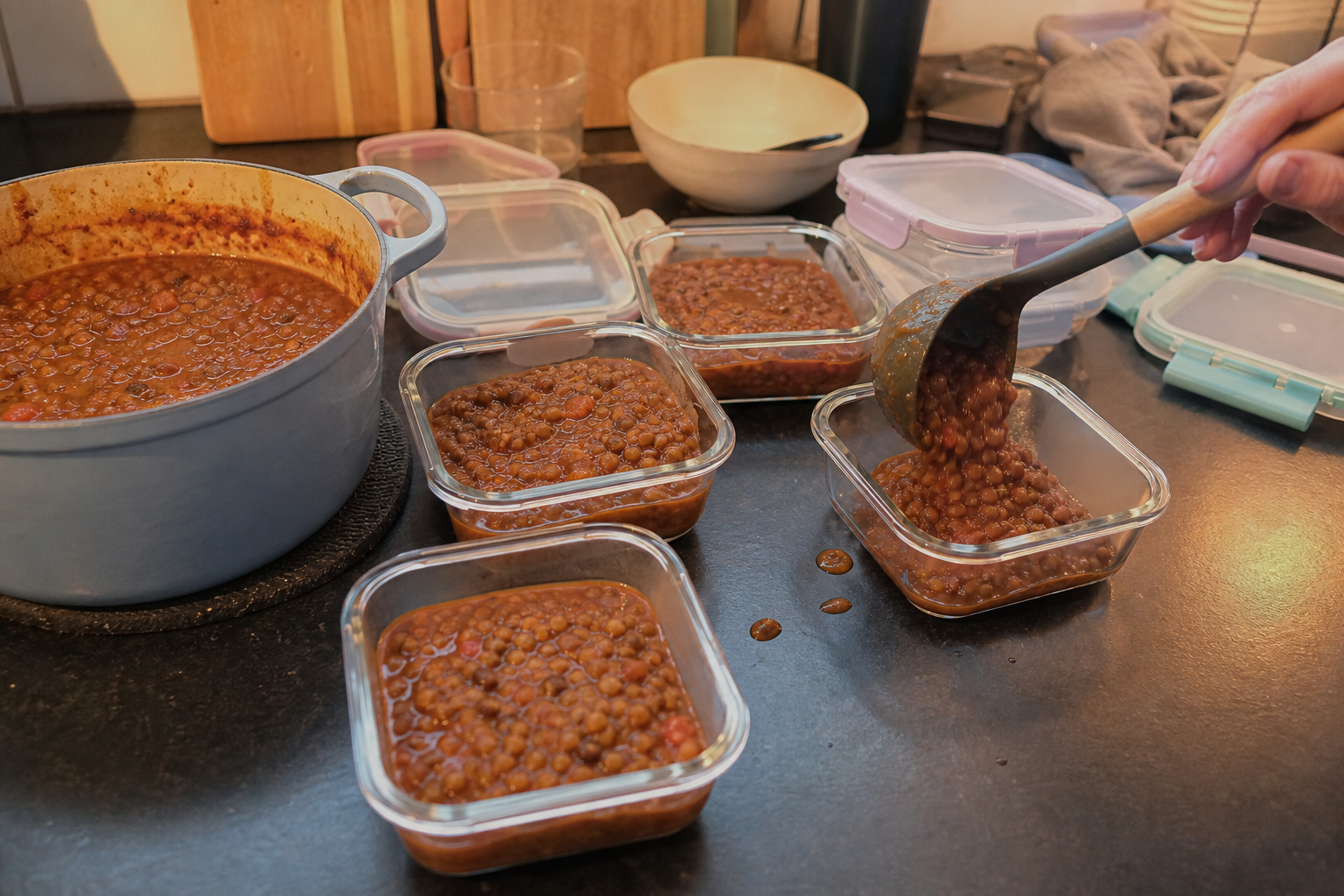
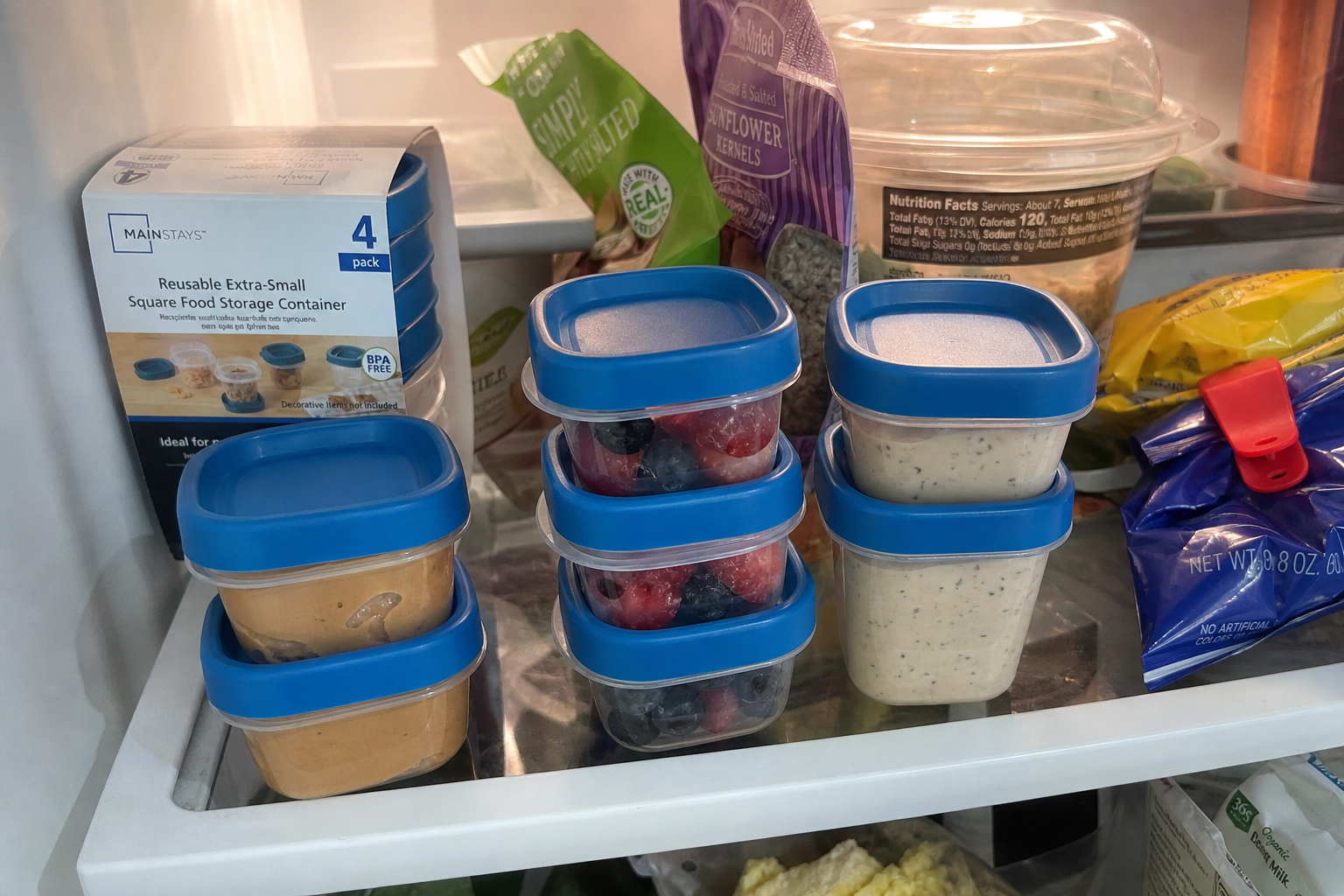
And for the small things that keep meals balanced, I’m weirdly passionate about mini portion containers. They’re useful for peanut butter, hummus, trail mix, sauces, pickles, or a small salted yogurt dip that makes rice and chicken much easier to eat when your appetite is low.
That sounds minor, but low-appetite recovery is real. A lot of athletes and busy workers do better when food is broken into easy pieces instead of one giant “healthy meal.”
Micro-friction #2: A dull knife can make produce prep feel punitive
The second barrier is tool fatigue, and the biggest culprit is often a dull knife. If chopping fruit for oatmeal, slicing cucumbers for a rice bowl, or dicing potatoes for a quick skillet feels physically annoying, you stop doing it.
Then recovery meals get narrower. Instead of protein plus carbs plus produce plus a fluid, dinner becomes dry toast, a handful of crackers, or takeout that leaves you under-fueled for the next day.
I’m not saying everyone needs a chef’s setup. I’m saying the friction matters. A functional edge changes whether prep feels like two minutes or twelve. If your main knife is dragging through tomatoes and bruising herbs, a double-sided whetstone can be a much smarter recovery purchase than another expensive grocery cart full of ambitions.
A recovery meal you can assemble half-asleep beats a perfect one you keep postponing.
This is where my nutrition brain always comes back to behavior. People don’t eat produce, carbs, and protein in a vacuum. They eat what their hands can prepare when they’re tired, sweaty, hungry, and low on patience.
Micro-friction #3: Missing small tools make simple meals oddly hard
The third barrier is the one that sounds silly until you live with it: tiny missing tools. No clips for half-used bags. No wide-mouth insulated container for soup or oats. No little vessels for dips, nuts, or drink mix. Suddenly the “easy” meal has six extra steps.
These are the kinds of hassles that derail repetition:
- a bag of granola goes stale because it never reseals properly
- leftover rice dries out in a torn takeout box
- you skip soup, oatmeal, or yogurt on the go because you don’t have the right jar
- you under-pack snacks because there’s no simple portioning option
I like practical fixes here. A handful of bag sealing clips can keep cereal, wraps, trail mix, frozen fruit, or pretzels usable and visible. That sounds unglamorous because it is unglamorous. It is also exactly the kind of thing that keeps recovery snacks from turning into crumbs and regret.
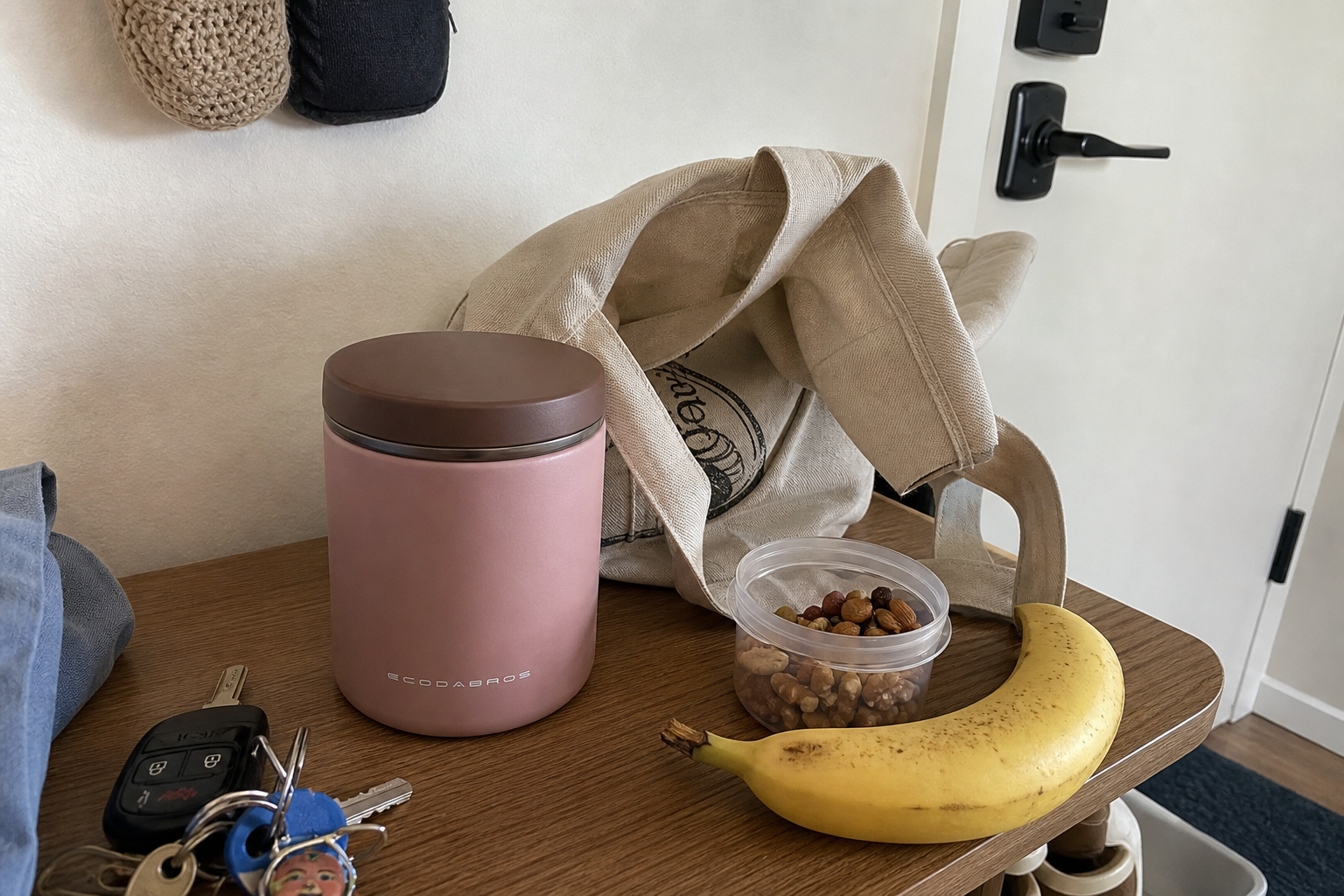
And for anyone who does long commutes, double sessions, or late workdays, an insulated food jar is one of those low-drama tools that quietly helps. Warm oats, rice and beans, lentil soup, pasta, even cold yogurt parfaits become easier to bring along, which means your recovery fuel is with you instead of still sitting in the fridge at home.
The counterargument: surely the food itself matters more?
Of course the food matters. I’m not arguing against protein targets, balanced meals, or keeping decent groceries around. I’m arguing that nutrition advice often stops one step too early.
If your kitchen setup makes food prep irritating, the highest-quality grocery haul in the world won’t save you on a tired Wednesday. That’s also why I tend to pair food advice with environment advice, whether I’m talking about budget recovery staples or simple routines that make protein easier to hit.
In practice, recovery works best when the path of least resistance leads to something nourishing. Not perfect. Nourishing and repeatable.
What to audit in your kitchen this week
If you want better post-workout nutrition or more consistent recovery meals after work, don’t start with another grand meal-prep plan. Start with a friction audit.
- Open your container drawer. Do you have enough matching containers to store two to three days of leftovers without improvising?
- Use your main knife on a tomato or onion. If prep feels annoying, fix the edge or replace the routine that depends on heavy chopping.
- Look for missing tiny tools. Clips, mini containers, and transport-friendly jars matter more than they get credit for.
- Check your grab-and-go flow. Can you pack soup, oats, yogurt, fruit, or snacks in under three minutes?
- Notice your recurring kitchen complaint. Whatever you grumble about most is probably the friction point costing you follow-through.
AliExpress can be useful here because this category of support is often more about affordability than prestige. Practical organizers, prep tools, insulated containers, and portioning accessories don’t need to be fancy; they need to reduce effort enough that you’ll actually use them.
The Bottom Line
My opinion is simple: recovery nutrition advice gives too much airtime to ingredients and not enough to kitchen friction. Mismatched containers, dull knives, and missing small tools can be the real reason protein, carbs, and fluids don’t happen consistently after training or long workdays. A few inexpensive supports can genuinely do more for follow-through than another optimistic grocery haul, though they won’t replace keeping actual food around. This week, audit your storage, prep tools, and packing setup first, then build your meals around what your kitchen makes easy to repeat.
Disclaimer: As an aliexpress Associate, I earn from qualifying purchases.