How I Build a Bedtime Snack That Actually Helps Sleep
For most of human history, the idea that eating after a certain hour was automatically “bad” would have sounded bizarre. The body does not own a wall clock, and nighttime eating is neither a…
For most of human history, the idea that eating after a certain hour was automatically “bad” would have sounded bizarre. The body does not own a wall clock, and nighttime eating is neither a guaranteed diet mistake nor a magical recovery hack.
What matters is what you eat, why you’re eating it, and how it lands when you’re trying to fall asleep. If dinner happened at 6, training ended at 9, and you’re lying in bed slightly hungry at 11, that is not a moral failure. It is a pretty normal setup for restless sleep.
I think of bedtime snacks as a small recovery tool, not a second dinner. The goal is simple: something digestible, enough carbohydrate to support sleep, a moderate amount of protein, and flavors that feel calming instead of bright, spicy, acidic, or overly stimulating.
If you already liked the idea of making recovery easier instead of more aspirational, this builds nicely on how to build a recovery station that actually gets used. Same principle, just pointed at those low-energy late-night moments.
Step 1: Start with the real problem
If you’ve ever felt that annoying half-hungry, half-tired state where you keep flipping the pillow and checking the clock, you already know the problem. A little hunger can be enough to keep your brain alert, especially after a late workout or an unusually early dinner.
That matters because sleep and recovery are linked. If you go to bed underfueled, you may have a harder time settling down, and your recovery routine gets shakier before the night even starts.
A good evening snack should feel like turning the volume down, not adding another task.
Step 2: Know what I’m looking for in a sleep-supportive snack
When I build a bedtime snack, I use four filters:
- Digestibility: soft textures, moderate portions, not too greasy, fibrous, or spicy.
- Carbohydrate: enough to help the body feel fed and ready to settle.
- Moderate protein: helpful for recovery, but not in a giant, heavy portion.
- Calming flavor: think cinnamon, vanilla, oats, banana, warm milk, yogurt, or nut butter in small amounts.
This is very different from the internet extremes: either “never eat before bed” or “drink a massive recovery shake no matter what.” Most nights, the sweet spot is much more boring and much more effective.
Step 3: Use my simple bedtime snack formula
Here’s the decision tree I use: choose one base, add one protein, then finish with one settling extra.
- Choose a carbohydrate-forward base.
- Add a moderate protein source.
- Finish with one small extra that makes it feel soothing and easy to eat.
Choose your base
Your base is the part that answers the “I’m still a little hungry” problem.
- Oats or overnight oats
- Toast or a few crackers
- Banana or applesauce
- Cereal
- Rice pudding or leftover rice warmed with milk
- Yogurt with fruit
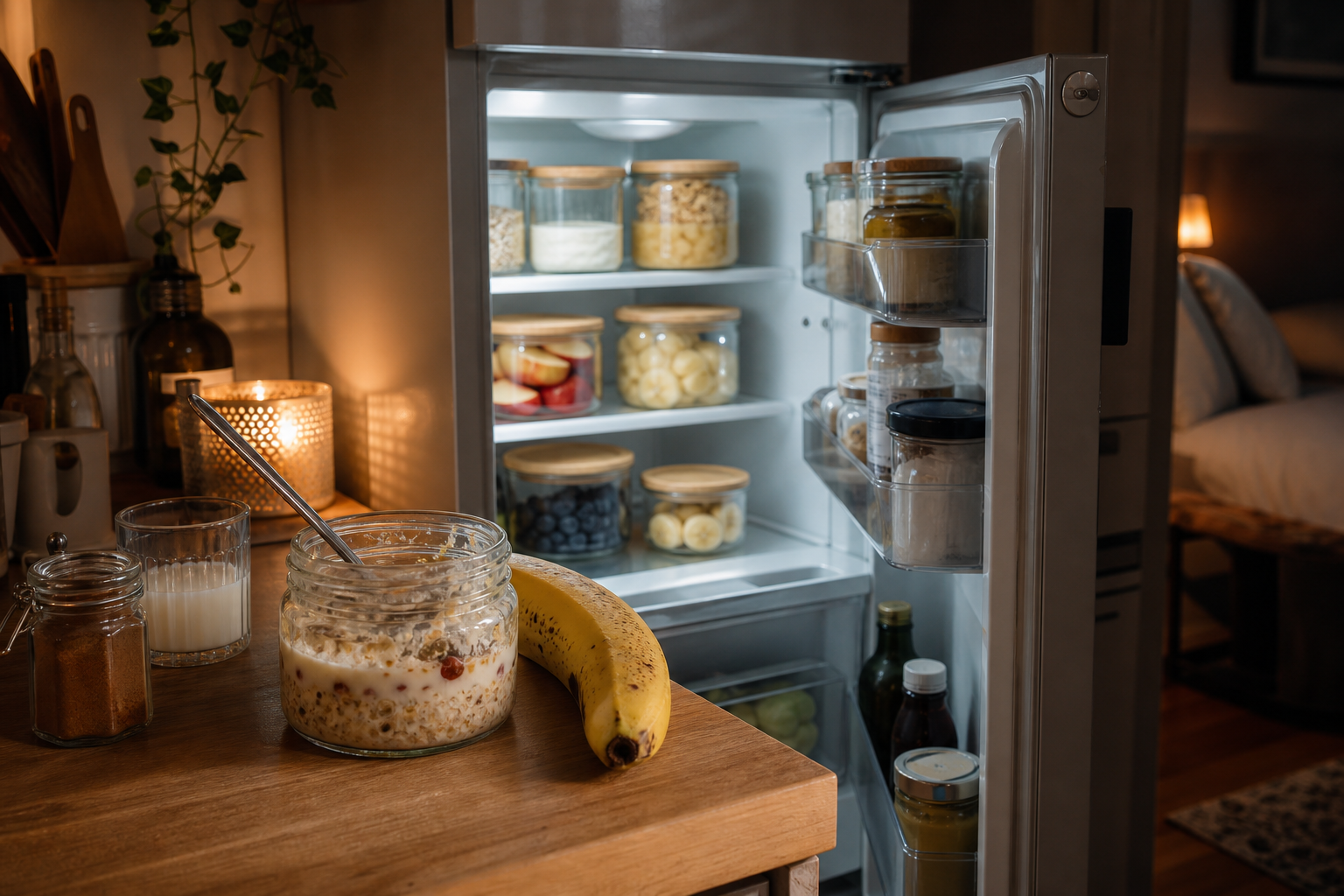
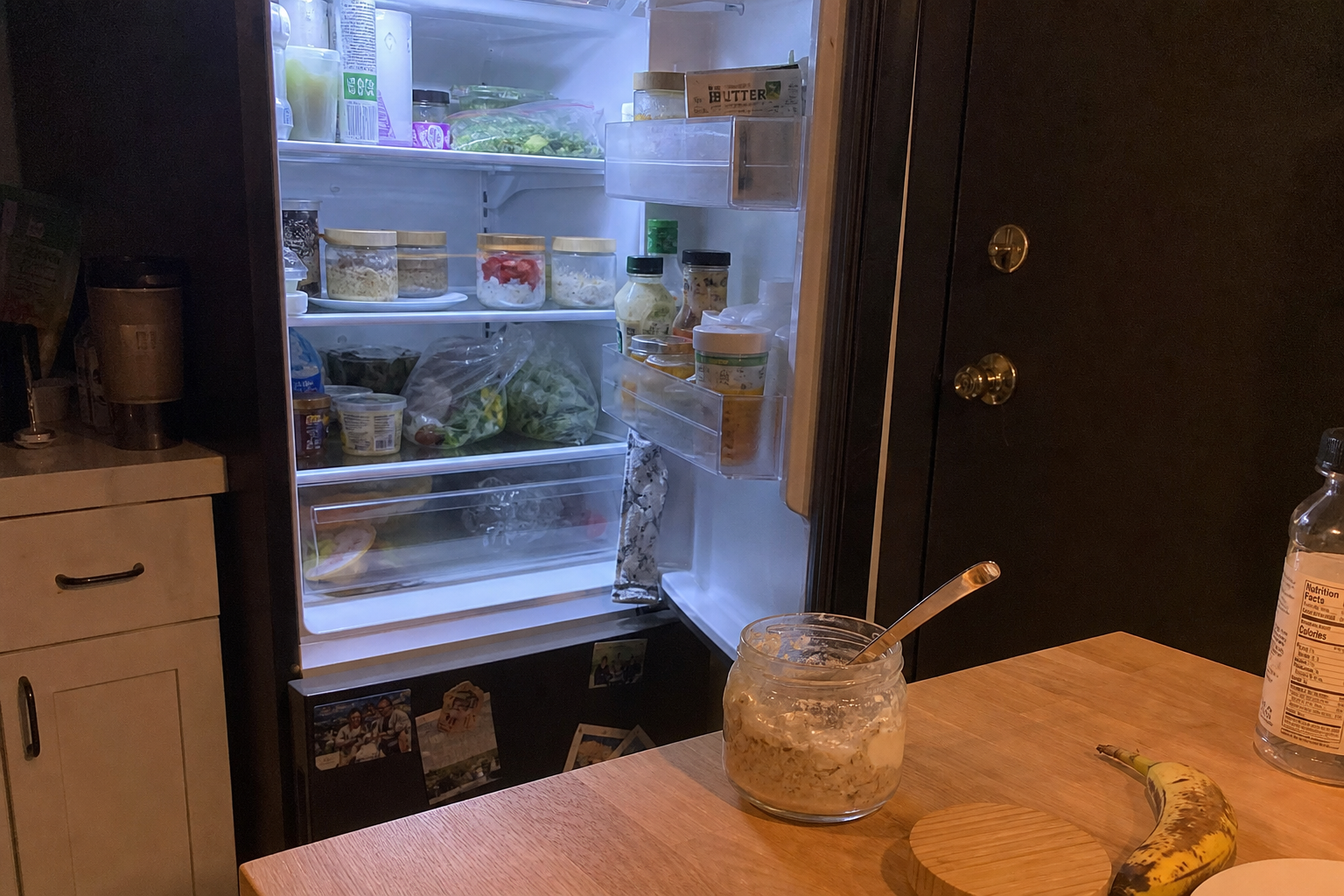
If you like prepping a few ready-to-grab options, I’m very into using glass snack jars with bamboo lids for oats, yogurt, or applesauce-plus-cereal combos because they stack well and make tiny-fridge living less chaotic.
Add one protein
This part supports recovery without making the snack too heavy.
- Greek yogurt or skyr
- Milk or soy milk
- Cottage cheese if you enjoy it
- A spoonful of peanut or almond butter
- Protein powder blended lightly into oats or a smoothie
For nights when chewing feels like too much effort, a portable mini blender can be useful for a very small smoothie: milk, banana, oats, and a little protein powder. I only like this if it genuinely saves effort; if it adds dishes you’ll resent, skip it.
Add one settling extra
This is the part that makes the snack feel more “exhale” than “project.”
- Cinnamon
- Vanilla
- Sliced banana
- A drizzle of honey
- A small spoonful of chia or ground flax if you tolerate it well
- Warm milk
I also like having a dedicated long-handled portion scoop in the oats or cereal bin so I don’t have to guess, overpour, or wake myself up rummaging through drawers.
Step 4: Match the snack to your appetite level
This is where most people need more specificity. “Listen to your body” is fine in theory, but at 10:47 p.m. I prefer a clearer map.
Light hunger, almost no prep
- Banana plus a spoonful of peanut butter
- Small bowl of cereal with milk
- Applesauce with a few spoonfuls of Greek yogurt and cinnamon
Moderate hunger, still easy
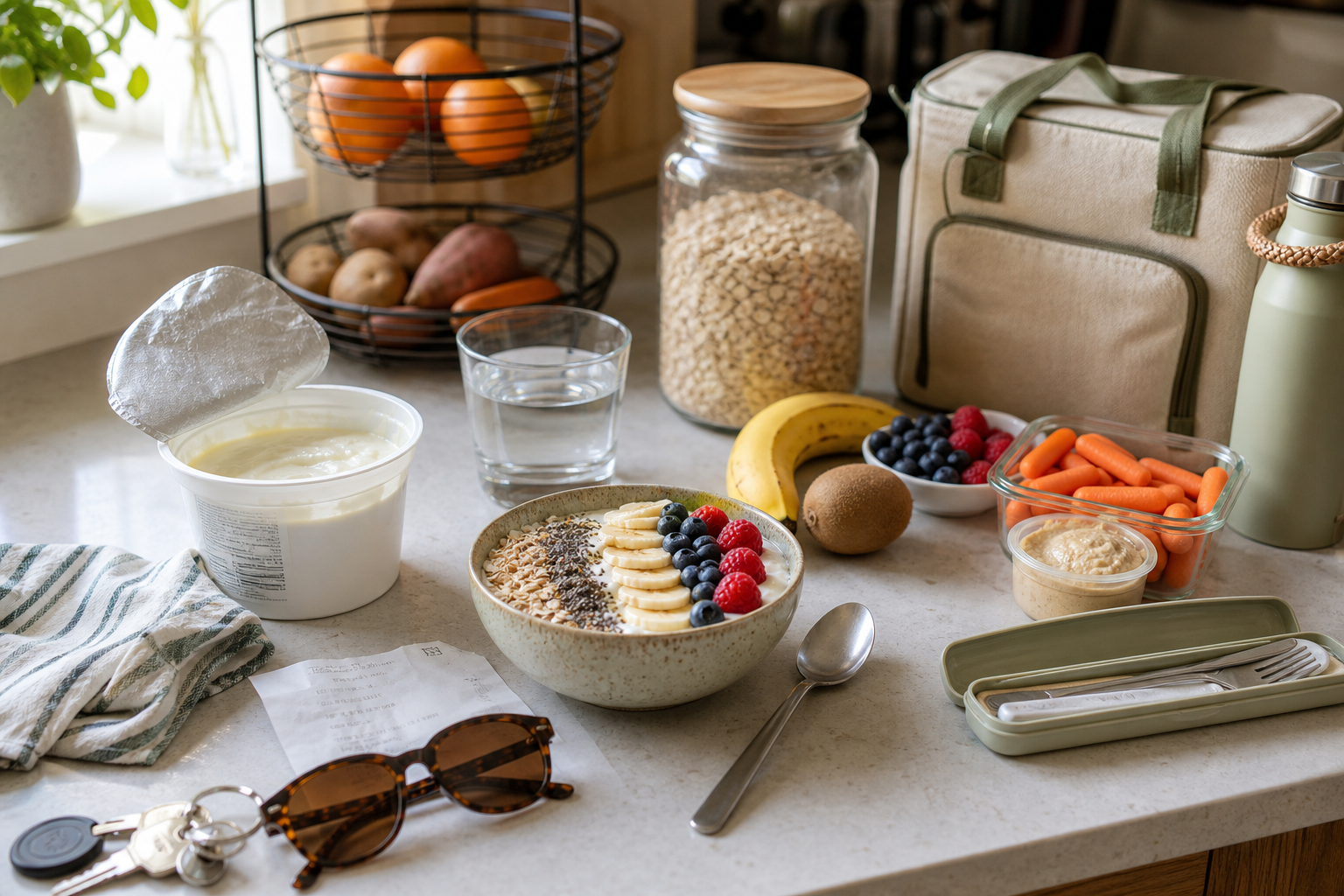
- Greek yogurt, oats, and sliced banana
- Toast with nut butter and warm milk
- Overnight oats with yogurt stirred in
Post-workout hunger, more recovery-focused
- Small smoothie with milk, banana, oats, and protein powder
- Yogurt bowl with granola or cereal and fruit
- Leftover rice warmed with milk, cinnamon, and a side of yogurt
If your stomach feels touchy
- Plain toast and warm milk
- Banana and yogurt
- Soft oats made a little thinner than usual
If protein is the part that tends to fall apart for you by evening, The Lazy Cook's Guide to Hitting Your Protein pairs well with this approach, because bedtime snacks work best when they’re small and realistic, not heroic.
Step 5: Keep a few caution flags in mind
There are a few things I would not force late at night.
- Very large meals that leave you uncomfortably full
- Spicy, greasy, or highly acidic foods if reflux is an issue
- Huge amounts of fiber right before bed if your gut is sensitive
- Lots of chocolate or caffeine-containing foods when you’re already struggling to wind down
Caution: if bedtime eating regularly turns into feeling physically uncomfortable, refluxy, or wired, the answer may be shifting dinner timing or adding a planned post-workout snack earlier, not just eating more right before sleep.
Step 6: Shop for the formula cheaply and non-preciously
I’m a big fan of treating evening snacks like pantry infrastructure, not a wellness performance. You do not need rare powders, expensive sleepy-girl ingredients, or a fridge full of tiny perfect jars.
What you need is a short shopping list you’ll actually use:
- Oats, cereal, crackers, or bread
- Bananas or applesauce
- Yogurt, milk, or soy milk
- Nut butter
- Cinnamon and vanilla
That’s the same basic spirit behind 7 Budget Recovery Staples I’d Stock First: boring staples win because they reduce friction.
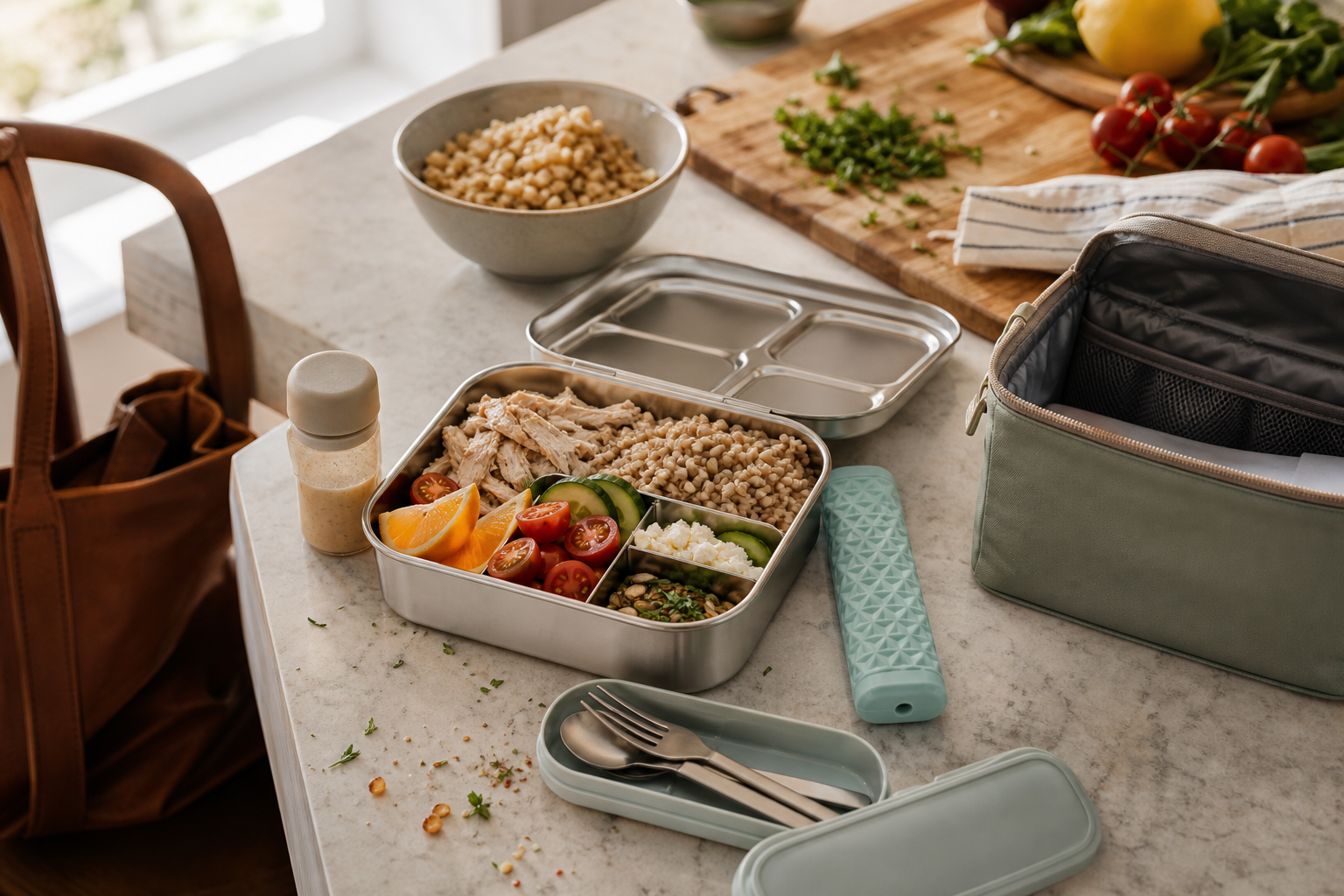
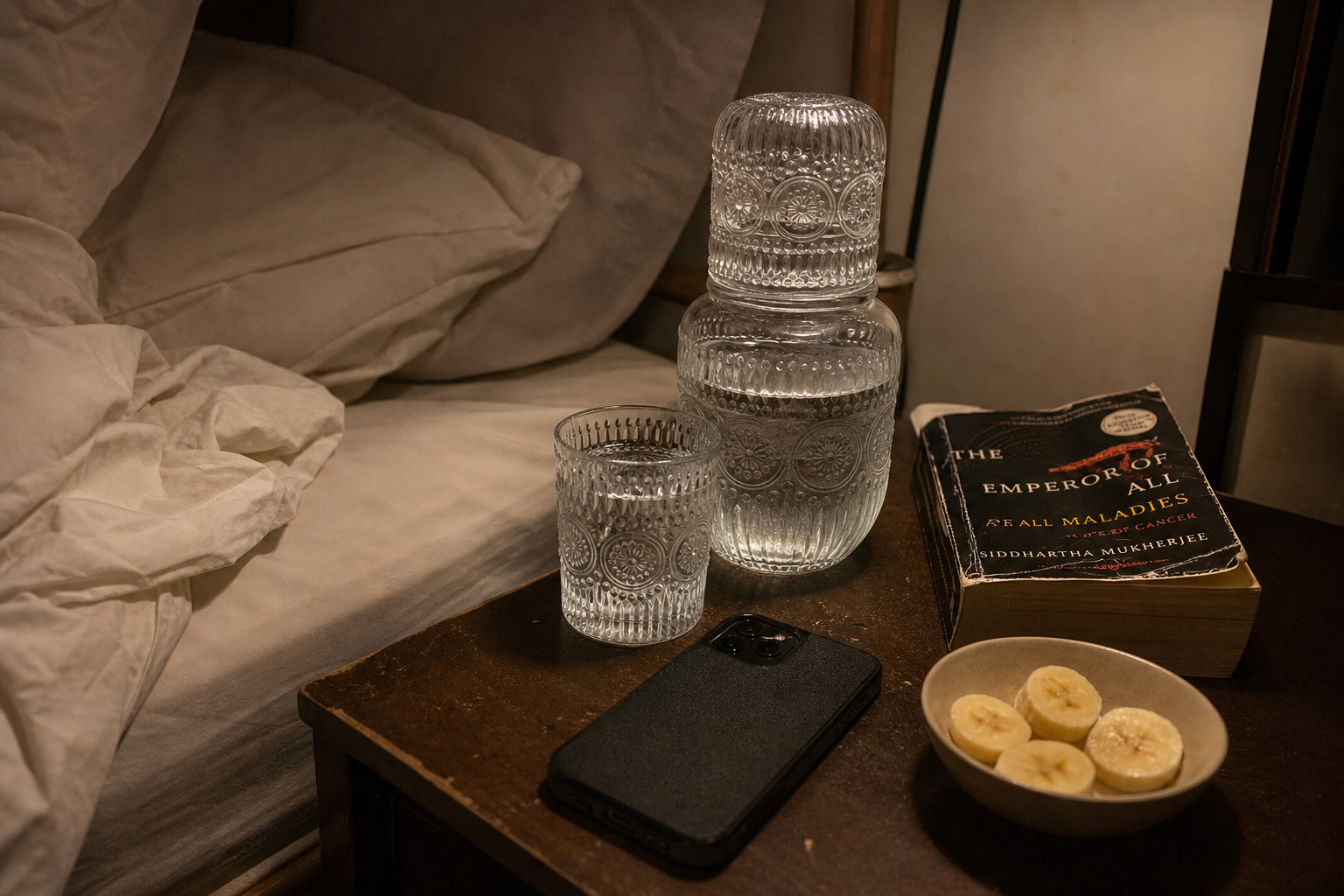
If you want a few tools to make the routine easier, I’d keep it modest. A bedside water carafe and glass set can help if you often wake up thirsty and don’t want to pace to the kitchen, and a stainless steel snack box is handy if your “evening snack” is really a post-commute, post-gym bridge food you eat before you ever get to bed.
Step 7: Build your default combinations now
Do this once when you are not tired, and your future self will thank you.
- Pick two bases you always enjoy.
- Pick two protein add-ins you reliably keep around.
- Pick one or two settling extras.
- Write down three go-to combos somewhere visible.
Here are three dependable examples:
- No-energy option: banana + yogurt + cinnamon
- Standard option: oats + milk or yogurt + banana
- Late-training option: smoothie with milk + oats + banana + protein
If you prep even lightly, those small glass jars make it easy to portion a few nights ahead without pretending you’re going to meal prep an entire lifestyle.
The Bottom Line
A bedtime snack is most useful when it solves a real problem: you are hungry, a little too awake, and you need something gentle that supports sleep and recovery. My formula is simple: choose a base, add a protein, and finish with one settling extra. The downside is that some late-night foods can backfire if they’re too heavy or stimulating, so the best snack is usually smaller and plainer than people expect.
If you take anything from this, let it be this: build a repeatable decision tree before you’re tired. Better sleep gets much easier when the snack is already obvious.
Disclaimer: As an aliexpress Associate, I earn from qualifying purchases.