7 Budget Recovery Staples I’d Stock First
As a dietitian, I care a lot less about a “perfect” wellness kitchen than I do about a repeatable recovery routine. If you’re active and trying to eat well without lighting your grocery budget on…
As a dietitian, I care a lot less about a “perfect” wellness kitchen than I do about a repeatable recovery routine. If you’re active and trying to eat well without lighting your grocery budget on fire, the biggest wins usually come from a few humble staples: protein, carbs, easy leftovers, and a setup that makes the next meal friction-free.
This is my kind of roundup because it’s really about tradeoffs. Sometimes a premium convenience pick genuinely helps you recover better because it saves time, improves consistency, or makes post-workout eating easier. Other times, the cheaper version gives you basically the same nutrition outcome, and that’s the one I’d choose every time.
Recovery food does not need to be fancy. It needs to be there when you’re tired, hungry, and one skipped meal away from raiding the snack drawer.
If you want the low-effort version of this whole philosophy, I’ve written before about hitting your protein without the meal-prep marathon. This list builds on that idea with the kitchen tools and food categories I think are most worth your money.
1. Slow cooker proteins: premium convenience, budget nutrition win
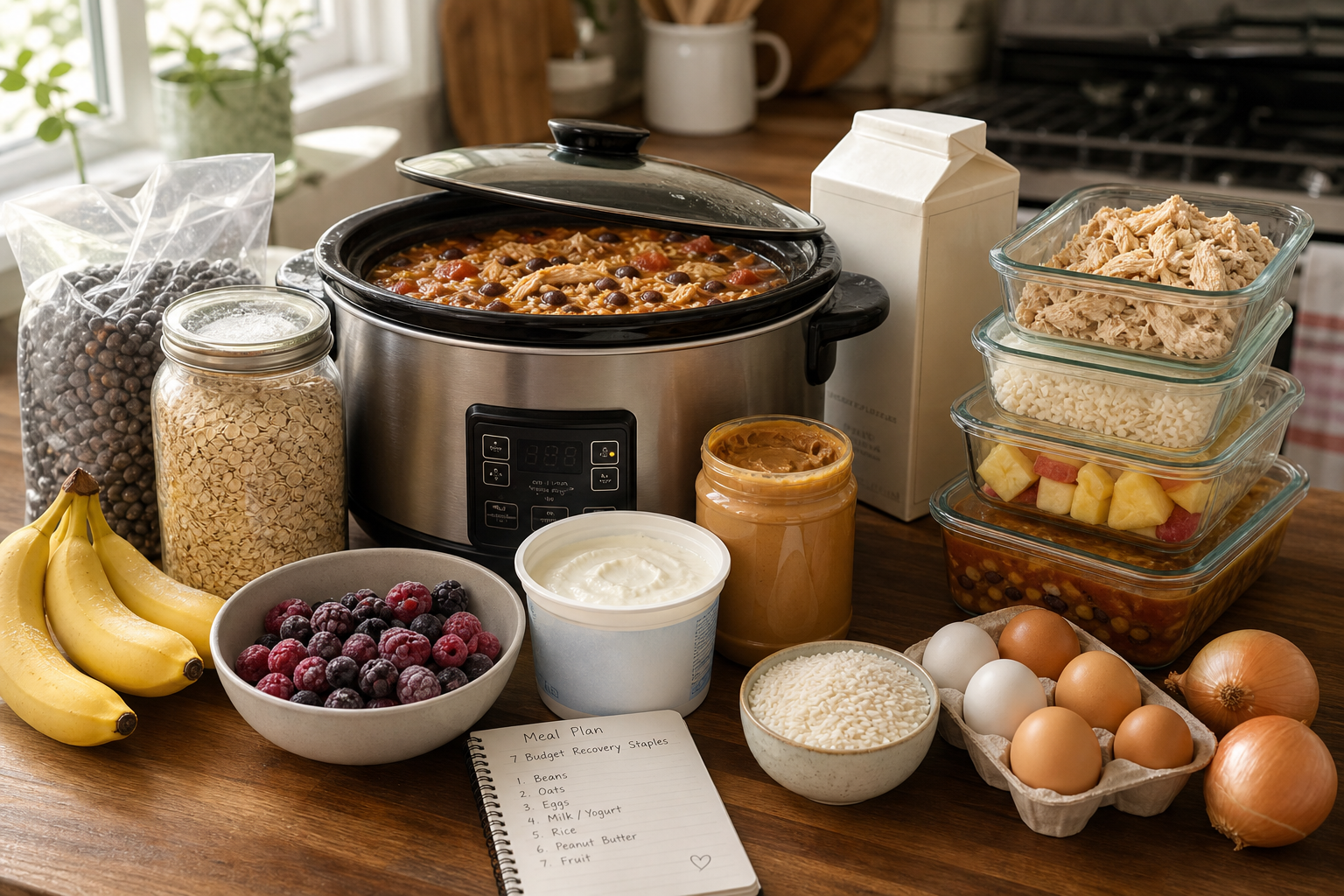
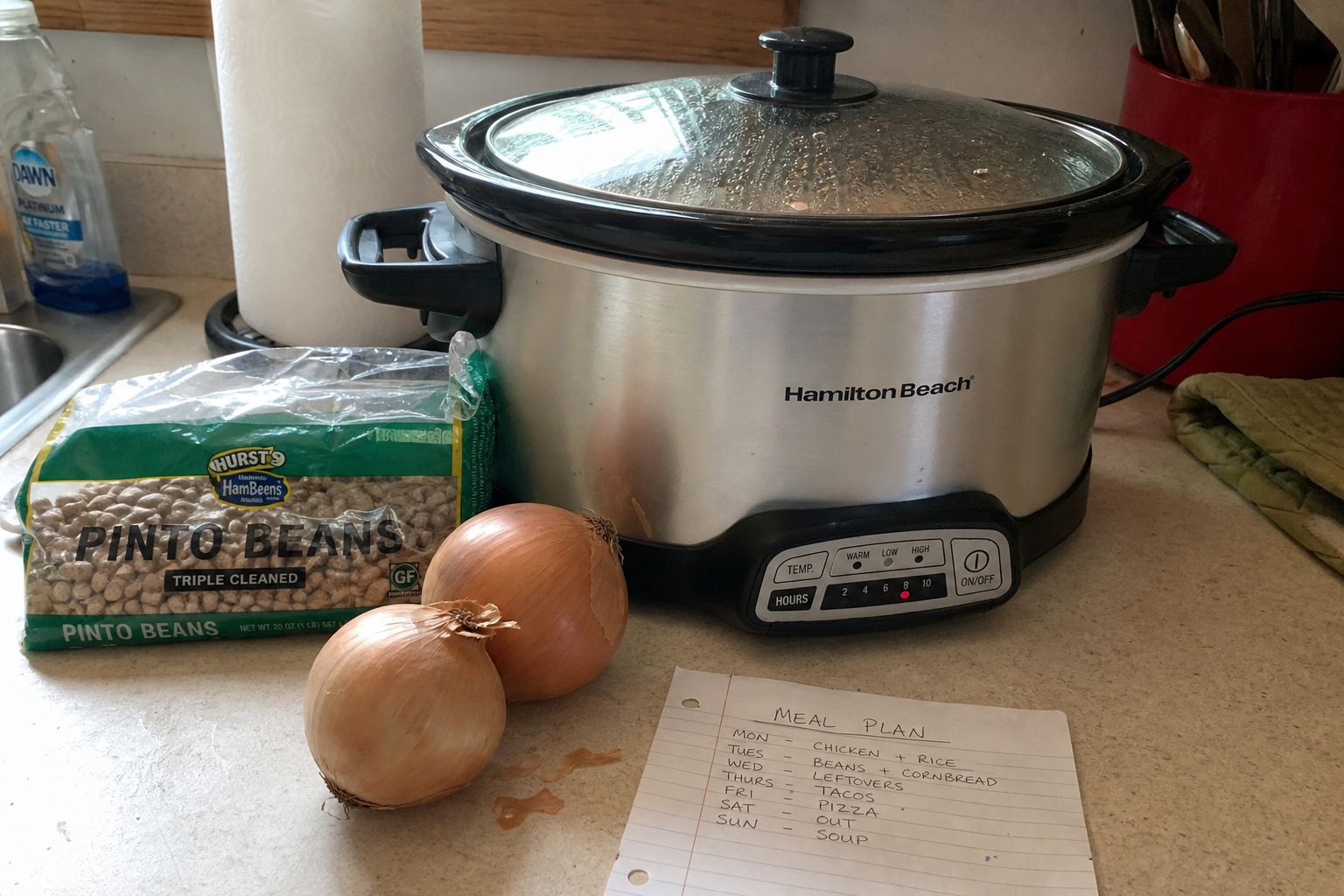
If you cook even twice a week, a 4-quart programmable slow cooker is one of the few convenience tools I think can pay you back in both money and recovery. I’m a slow-cooking loyalist, mostly because it turns cheaper cuts of meat, lentils, beans, and shredded chicken into ready-to-eat meals with almost no effort.
The premium piece here is the appliance itself. The budget alternative is what goes into it: dried beans instead of canned, tougher cuts instead of pricier fillets, and big-batch soups or stews instead of individually packaged meals. Nutritionally, you’re still getting the same big recovery pillars:
- Protein for muscle repair
- Carbohydrates to refill glycogen after training
- Fluids and sodium if you build meals around brothy soups or stews
When is the premium option worth it? If your schedule makes cooking feel impossible, the slow cooker earns its keep. When does the budget version win? Nearly always, once you compare homemade chili or chicken-and-rice soup with the cost of grab-and-go recovery meals.
2. Glass meal-prep containers: worth paying for once
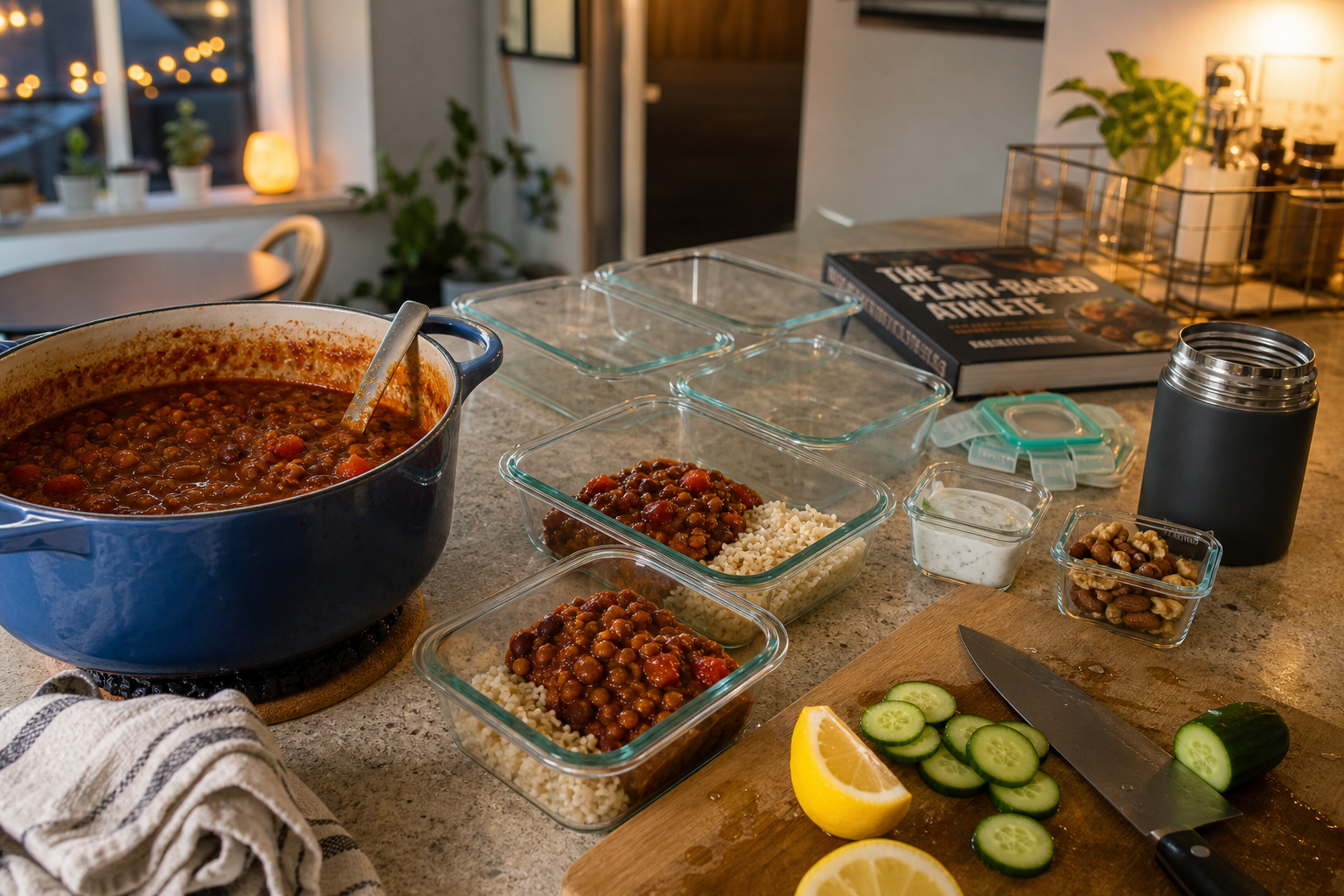
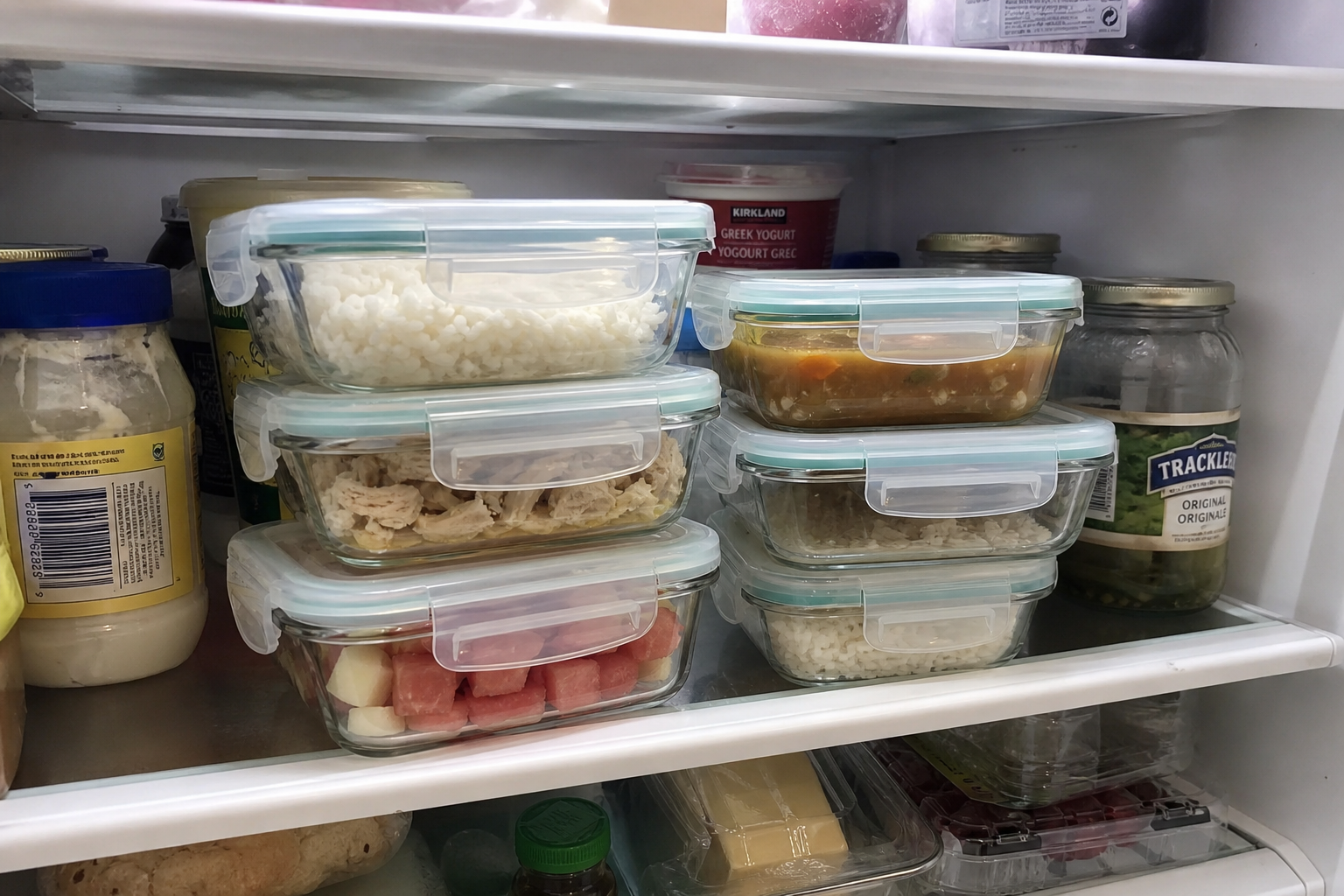
I’ll say it plainly: meal prep falls apart fast when your containers are annoying. A set of 8 glass food storage containers is my kind of “premium” because it helps leftovers survive the week without tasting like old plastic or disappearing into a drawer of mismatched lids.
The budget alternative is reusing takeout containers or old yogurt tubs, which can work fine short term. But if you’re trying to consistently keep cooked grains, chopped fruit, overnight oats, or post-workout bowls ready to go, glass usually wins on visibility, durability, and reheating. For active people, that matters because the easier it is to see your food and reheat it quickly, the more likely you are to actually eat enough to recover.
This is one of the few categories where I think spending a bit more up front is worth it. Better storage reduces food waste, and wasted groceries are a hidden budget drain.
3. Whey protein: useful convenience, not a nutrition requirement
I’m not anti-protein powder. I’m anti pretending it’s magic. A product like Didacat whey protein concentrate can be genuinely handy if you need something portable after training or you struggle to get enough protein at breakfast.
But the budget-friendly alternative is often just real food: milk, Greek yogurt, eggs, cottage cheese, tofu, beans plus rice, or leftover chicken. In terms of muscle repair, what matters most is hitting your overall daily protein target and spreading it across meals. A shake can help, but it does not automatically outperform a solid snack or meal.
My rule of thumb is simple:
- If protein powder helps you be more consistent, it’s worth considering
- If it’s replacing affordable whole foods you already like, skip it
- If your budget is tight, food first almost always wins
For more on that “food first, effort second” approach, my post on lazy-cook protein staples is basically my standing pep talk.
4. Insulated food jars: underrated for athletes with long days
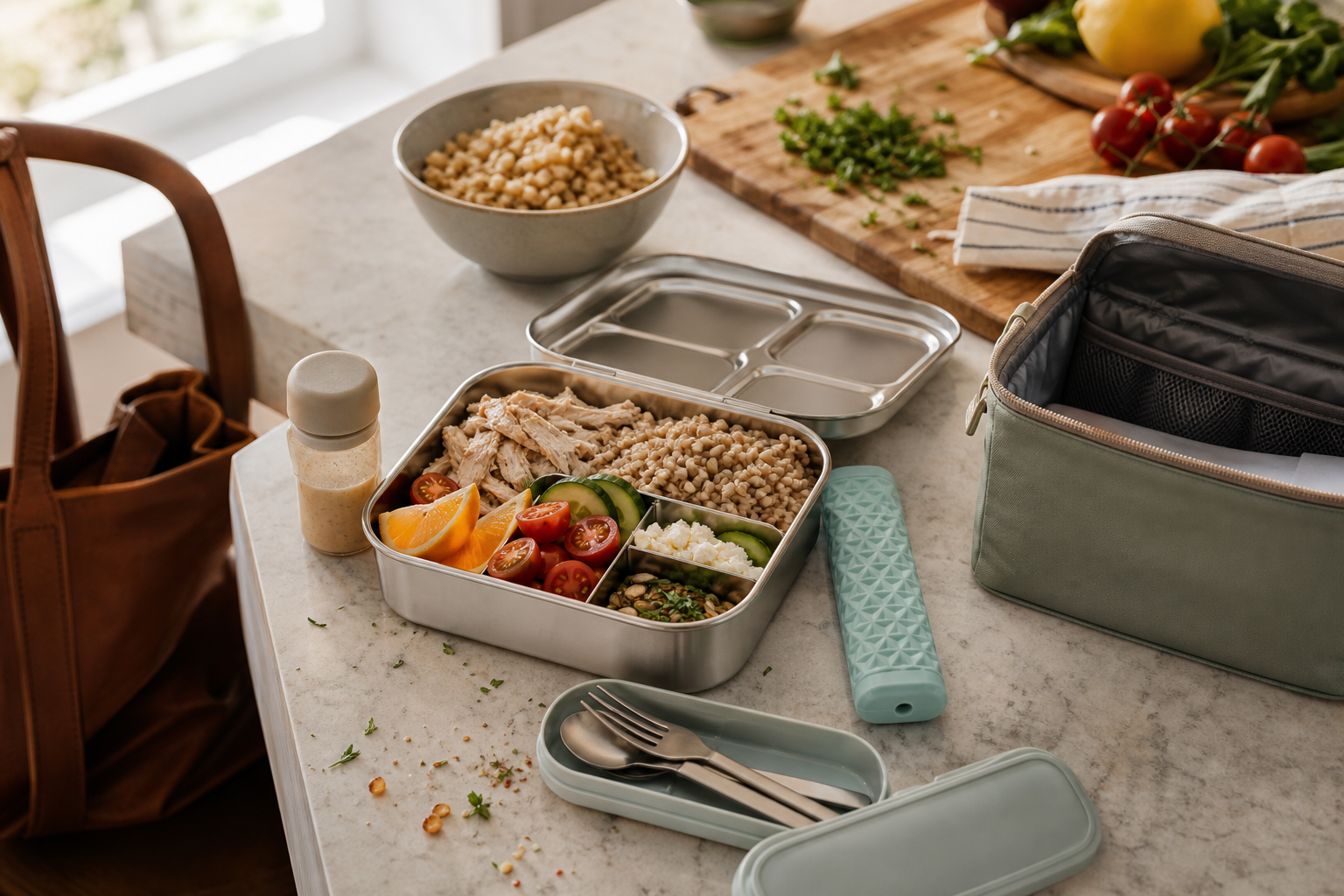
One of the most practical recovery tools isn’t a food at all. A 47 oz stainless steel insulated food jar can make a real difference if you’re heading from work to training, or from training to class, and need an actual meal instead of another protein bar.
The budget alternative is packing a cold meal in a standard container. That works fine for overnight oats, yogurt bowls, pasta salad, or a turkey sandwich. But if warm food helps you actually eat enough, an insulated jar can be a surprisingly good investment for recovery. I especially like it for:
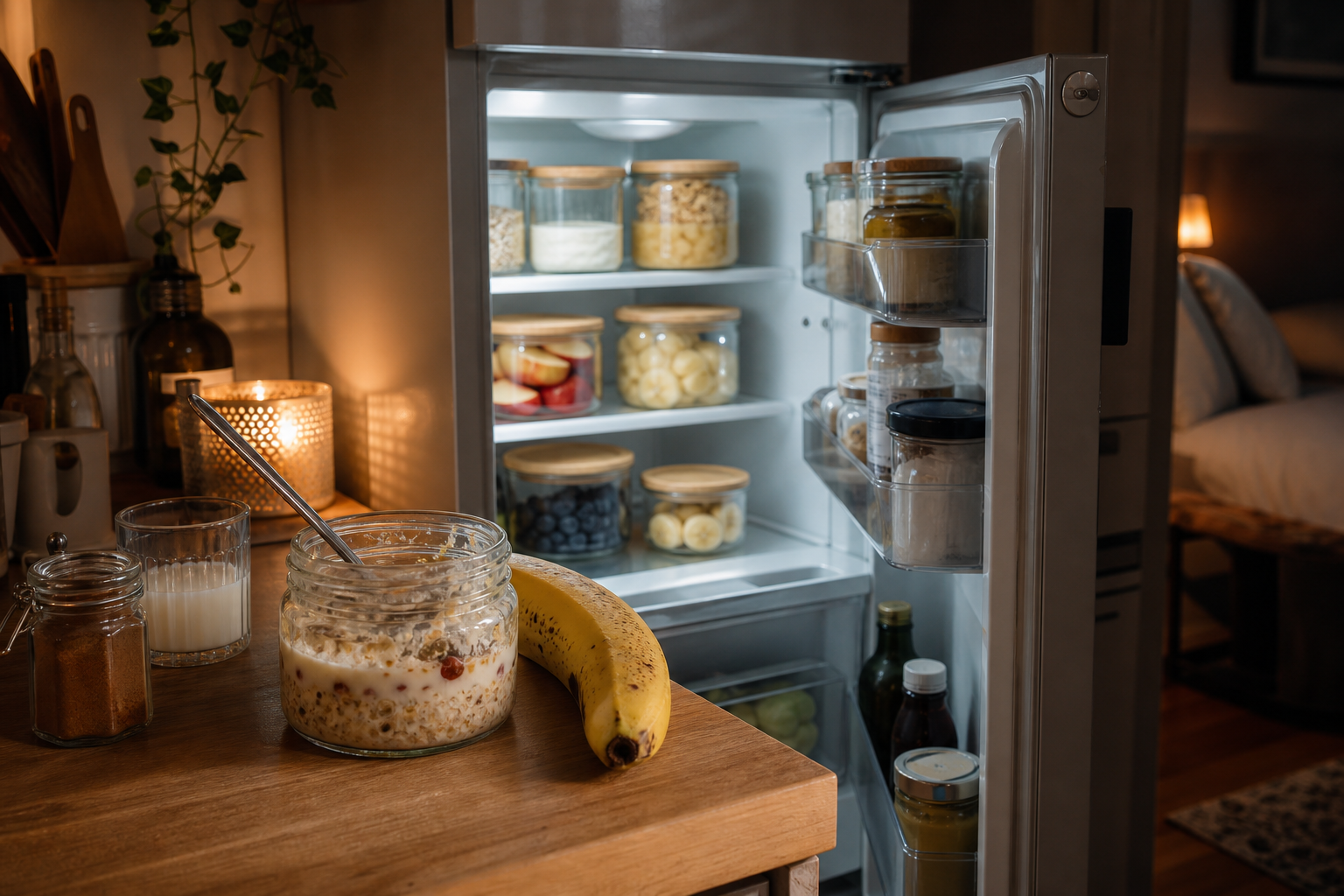
- Oatmeal with milk, fruit, and nut butter after morning workouts
- Rice, beans, and shredded chicken for a steady carb-protein lunch
- Lentil soup or chili on days when you need something filling and cheap
Nutrition-wise, the jar doesn’t change the food. Behavior-wise, it absolutely can. And behavior is usually where recovery either happens or quietly falls apart.
5. Rice cooker and steamer setups: great in theory, but scale matters
I love a reliable rice-and-protein combo because it’s simple, digestible, and recovery-friendly. That said, something like this industrial electric steamer and rice cooker is only worth discussing if you’re cooking at very high volume, feeding a team, or running some kind of shared-house kitchen setup.
For most people, this is a case where the budget version wins easily. A regular pot, basic home rice cooker, microwave steam bag vegetables, or sheet-pan roasting can get you the same nutrition benefit with much less cost and space. Carbs like rice, potatoes, oats, and pasta are fantastic recovery foods because they help restore glycogen stores after hard training. You do not need commercial-scale equipment to make them useful.
So yes, steaming and batch-cooking are smart. But unless your real life looks like a cafeteria line, I’d save your money here.
6. Frozen fruit, oats, and yogurt bowls: the budget alternative that often beats premium snacks
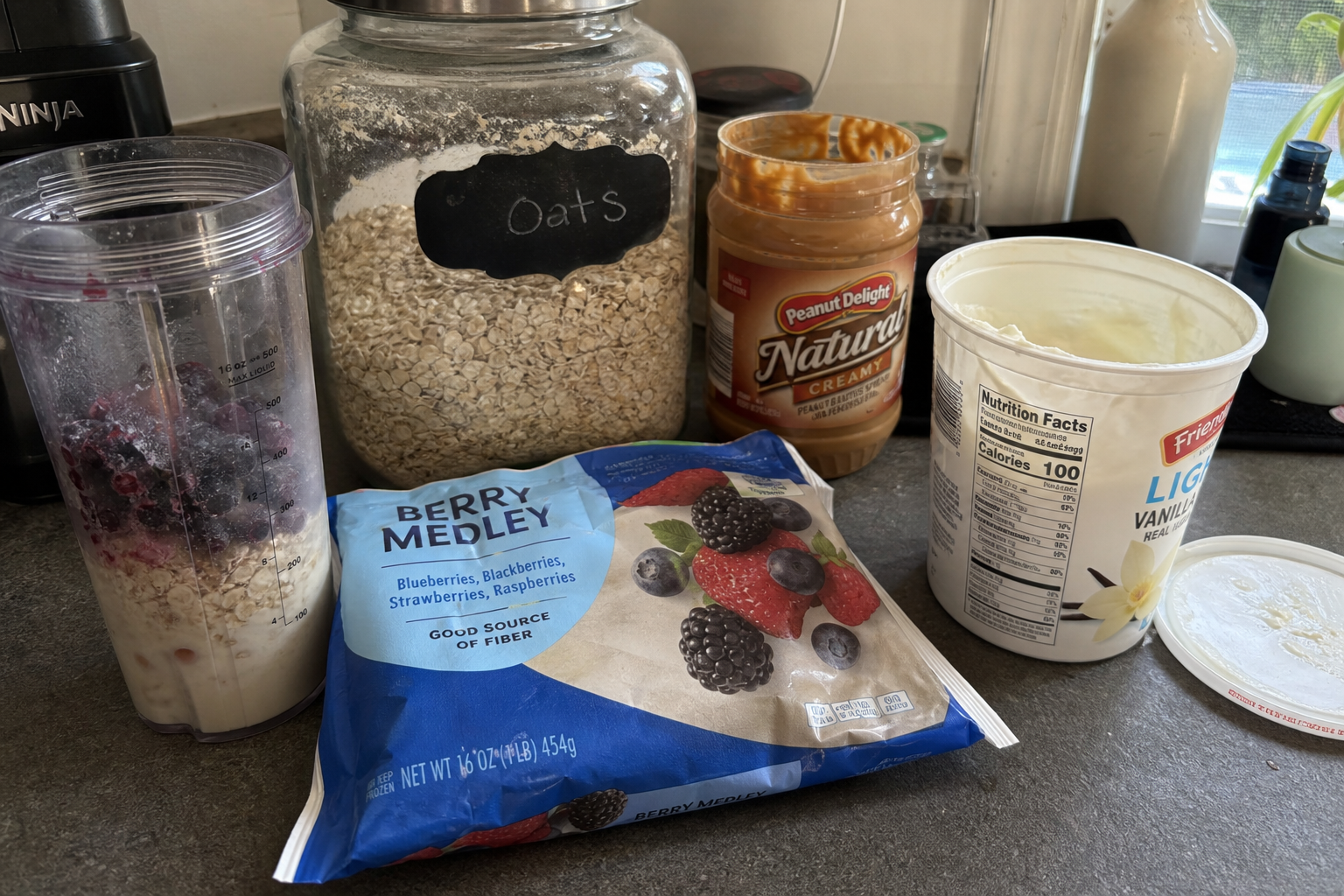
This isn’t a product section so much as a reality check from my grocery cart. Many premium recovery snacks are just a more expensive way to get carbs and protein you could build yourself with oats, yogurt, milk, peanut butter, bananas, and frozen berries. Those basics are usually better for your budget and just as supportive for muscle repair and next-day energy.
After training, a simple bowl or smoothie built from affordable staples does a lot:
- Carbs help replenish energy stores
- Protein supports muscle recovery
- A consistent evening snack can help prevent waking up ravenous at 2 a.m.
If you do use whey, this is where I think it fits best: as an add-on to a meal you already like, not the centerpiece of your entire nutrition plan.
7. Sleep-friendly recovery foods: budget basics do the heavy lifting
Because my recovery brain is always also a sleep brain, I have to mention the foods that quietly help evenings go better. Fancy sleep supplements are rarely my first move. More often, athletes sleep better when they stop under-eating all day and start having balanced dinners and snacks.
Budget-friendly staples that help here include:
- Oats with milk or yogurt
- Rice bowls with beans, tofu, eggs, or chicken
- Soup and bread after late workouts
- Fruit with peanut butter or cottage cheese
The premium option might be pre-made high-protein snacks, bottled shakes, or specialty functional foods. Sometimes those are worth it for convenience. But if the goal is better sleep, steady recovery, and easy post-workout meals, affordable regular food still does most of the work.
My Verdict
If I were building a recovery-focused kitchen on a budget, I’d prioritize three things first: a dependable batch-cooking method, storage that makes leftovers easy to use, and cheap protein-carb staples I actually enjoy eating. The slow cooker, glass containers, and maybe an insulated food jar if you’re rarely home are the convenience picks I’d defend. Protein powder can help, but it’s optional, and oversized commercial equipment is overkill for most kitchens. In the premium-versus-budget debate, the budget version wins more often than not—as long as it’s easy enough that tired you will still use it.
Disclaimer: As an aliexpress Associate, I earn from qualifying purchases.