The Farmers Market Foods That Helped by Wednesday
By 8:30 on Saturday morning, the market was already doing that thing it does so well: damp greens stacked in crates, peaches giving off perfume from half a stall away, cold bundles of herbs misting…
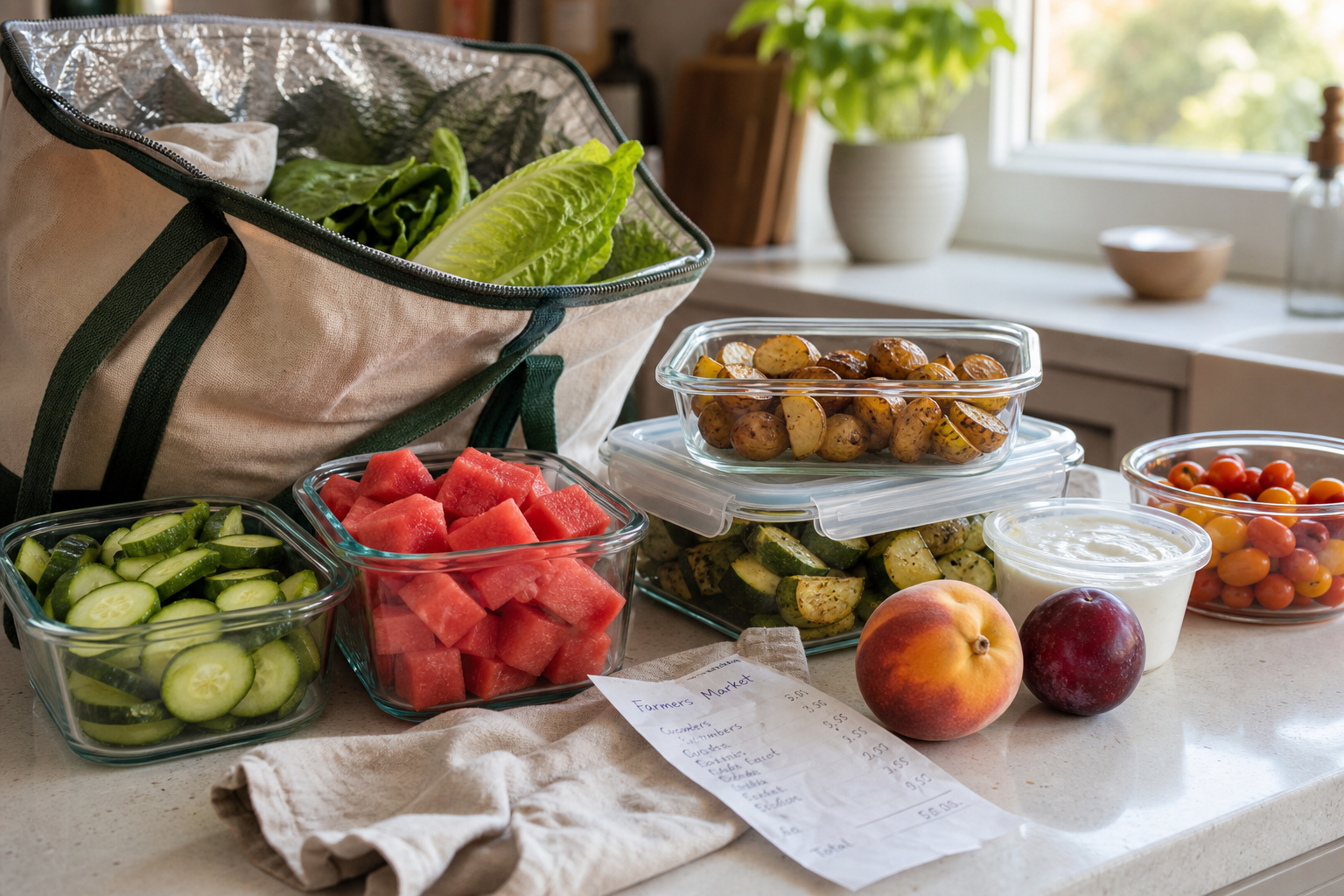
By 8:30 on Saturday morning, the market was already doing that thing it does so well: damp greens stacked in crates, peaches giving off perfume from half a stall away, cold bundles of herbs misting my forearms as I reached past them, someone handing over still-warm bread, someone else debating six kinds of tomatoes like it was a life decision. I moved stall to stall with one question in mind: which fresh foods actually make recovery easier once real life starts moving again on Monday, and which ones just make me feel briefly virtuous while they wilt in my crisper.
I tried shopping this way for three weeks straight: one Saturday market trip, one recovery lens, and one rule that saved me a lot of money. If a food didn’t clearly support fast post-workout refueling, hydration, or a low-effort dinner that would leave me feeling settled by bedtime, it had to work very hard to earn basket space.
That sounds strict, but it was surprisingly freeing. Instead of buying the prettiest produce and figuring it out later, I built a realistic basket around what I’d actually want on a tired Tuesday.
Why I tried it
There’s a specific kind of market overspending that happens when you shop with your best self in mind instead of your weekday self. You buy delicate greens, unusual mushrooms, perfect berries, maybe a bouquet of herbs with big “I’m going to cook beautifully this week” energy, and by Wednesday you’re staring at a drawer full of softened ambition.
I’m interested in recovery foods, but I’m even more interested in friction. If prep is annoying, storage is fussy, or the food only works in one specific recipe, it stops being recovery support and starts being homework.
So for three weeks, I treated the market like a field test. I wanted a basket that could help with:
- Rapid post-workout refueling
- Better hydration through high-water produce
- Low-effort meals that support a calmer evening
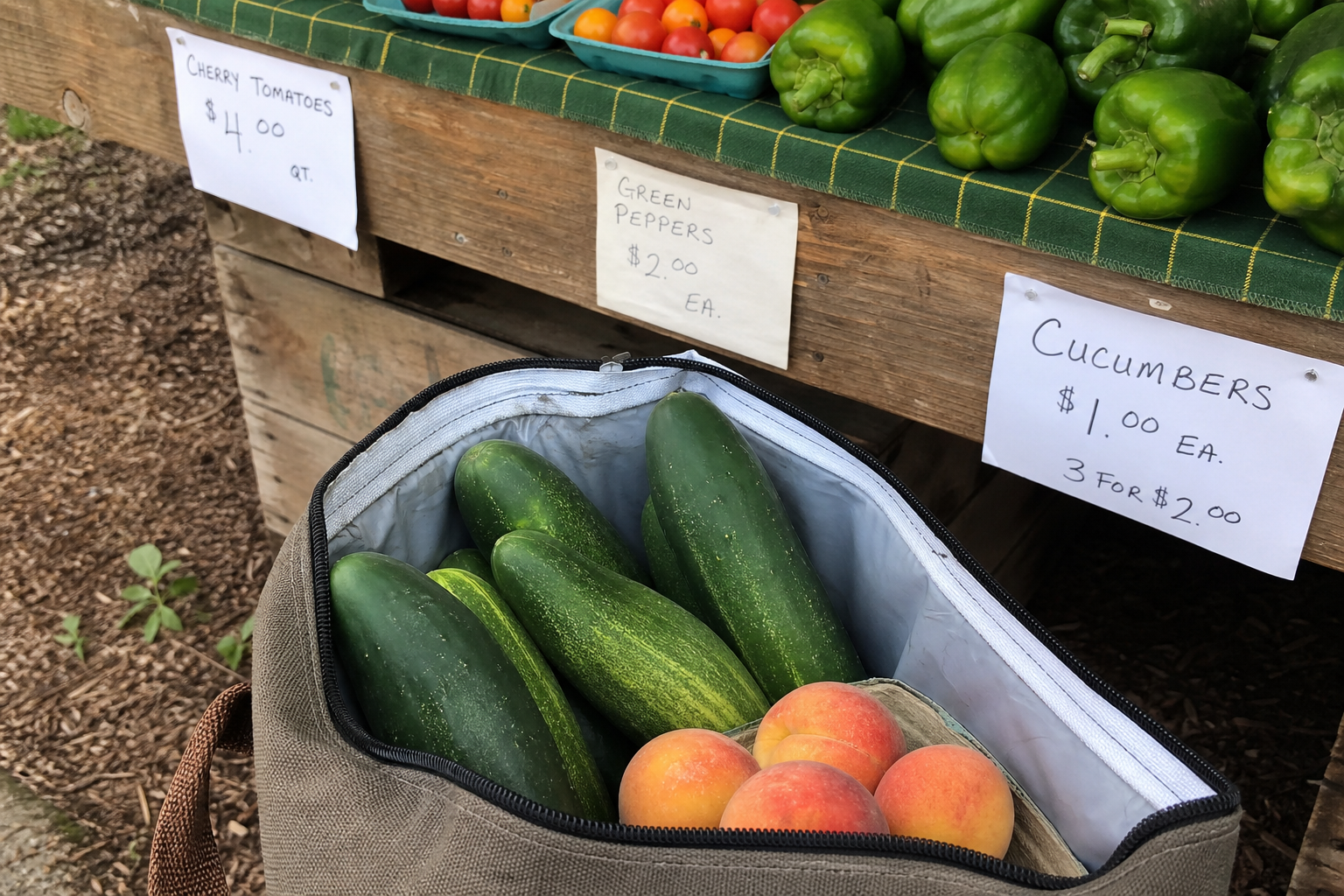
I also brought an insulated reusable grocery tote, which sounds unglamorous until you remember that market mornings often turn into a second errand, a coffee stop, or an accidental hour in the car. Keeping yogurt, cooked grains, or ripe fruit from getting too warm made the whole basket more usable by the time I got home.
What I bought, and what I skipped
On the first pass through the market, I noticed how easy it is to confuse freshness with usefulness. The stalls that tempted me most were often the ones selling the foods least likely to help me on a busy weeknight.
What consistently made it into my basket:
- Cucumbers
- Watermelon or cantaloupe
- Cherry tomatoes
- Baby potatoes or sweet potatoes
- Zucchini
- Peaches or plums
- Greek yogurt from a local dairy stall when available
- A sturdy green like romaine, cabbage, or kale
What often felt aspirational for my life, even when beautiful:
- Very delicate salad greens in oversized bags
- Fragile berries unless I had a specific plan for them that day
- Highly perishable herbs in large bunches
- Specialty mushrooms that needed immediate attention
- Anything I bought mainly because it looked charming in a basket
This doesn’t mean those foods are bad buys. It means they were high on health halo and low on storage life and prep forgiveness for the week I was actually going to have.
The realistic basket I built
By week two, my shopping pattern got much clearer. I was building a basket less like a cook planning a dinner party and more like someone trying to create small recovery shortcuts.
1. For rapid post-workout refueling
The best market buys here were fruit that needed almost nothing from me. Peaches, plums, and melon all worked, but melon was the standout because I could cube it once and be done.
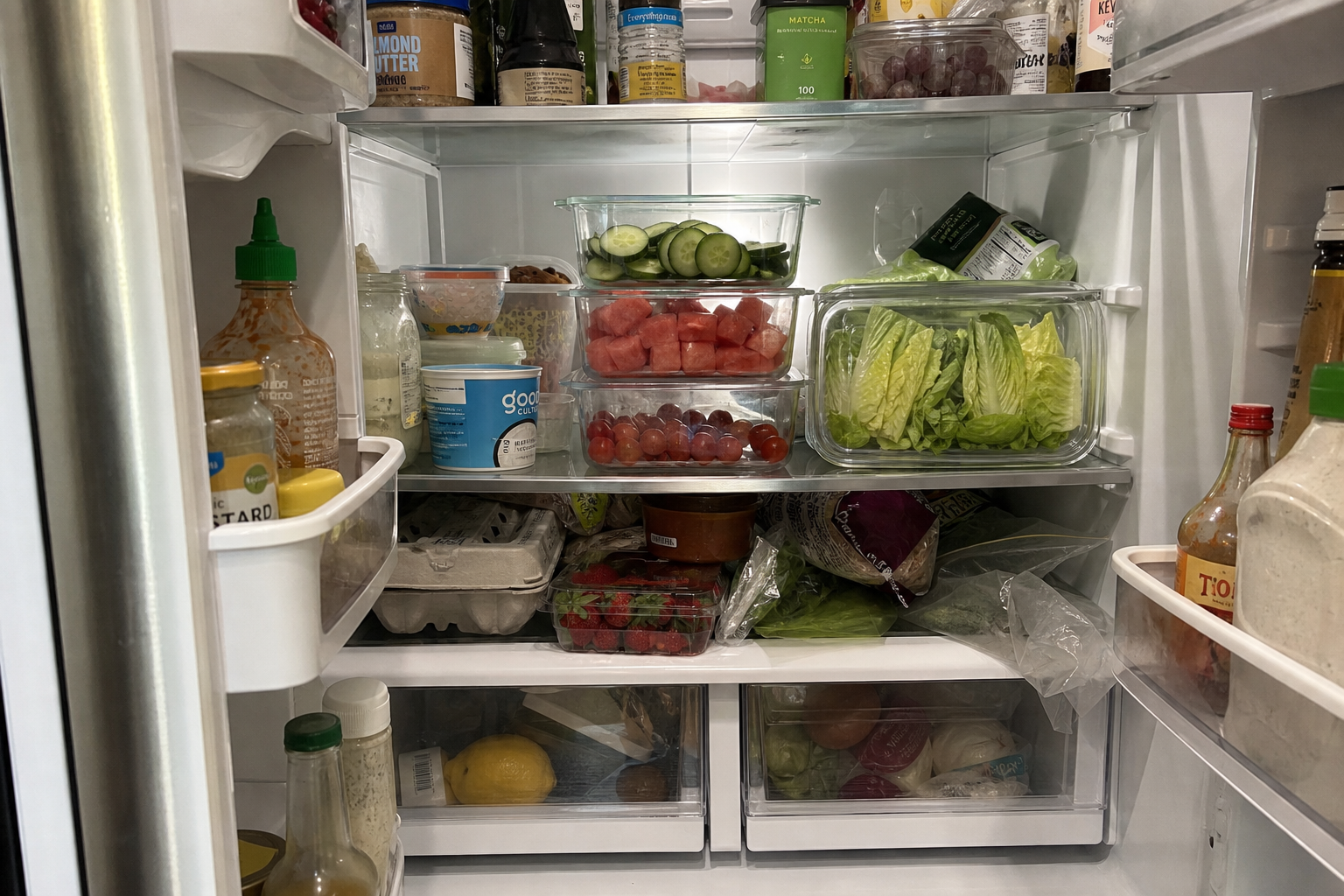
I paired market fruit with yogurt or leftovers once I got home, then packed portions into glass meal prep containers so I didn’t need to negotiate with myself later. That made a bigger difference than finding the “perfect” produce. Fast recovery eating is usually less about nutritional theory and more about whether the food is visible, cold, and easy to grab.
When I wanted something more portable after a sweaty workout, I also liked keeping electrolyte drink mix packets around. They’re not a replacement for food, and I didn’t treat them like one, but alongside high-water fruit they were practical on the days I came home thirsty and underfed.
2. For better hydration
This was where the market really shined. Cucumbers, tomatoes, melon, and even crisp romaine gave me a lot more mileage than expensive wellness drinks ever do.
I’m not against convenience products, but I noticed that when I had washed cucumber slices and cold melon ready by Sunday afternoon, I naturally drank more water and snacked in a way that left me feeling less depleted. The market version of hydration support was less dramatic and more effective.
I stored the cut produce in a produce storage container set, which helped keep the high-water stuff visible and separate from the things I was likely to forget in a drawer. That mattered more than I expected. If you’ve read my piece on building a recovery station that actually gets used, you already know I’m a big believer in making the helpful choice the obvious choice.
3. For low-effort meals that support sleep later
The evening winners were the foods that could become dinner without becoming a project: potatoes, zucchini, tomatoes, cabbage, and yogurt sauce. Nothing about that basket was trendy, but it gave me meals that felt grounding rather than stimulating late at night.
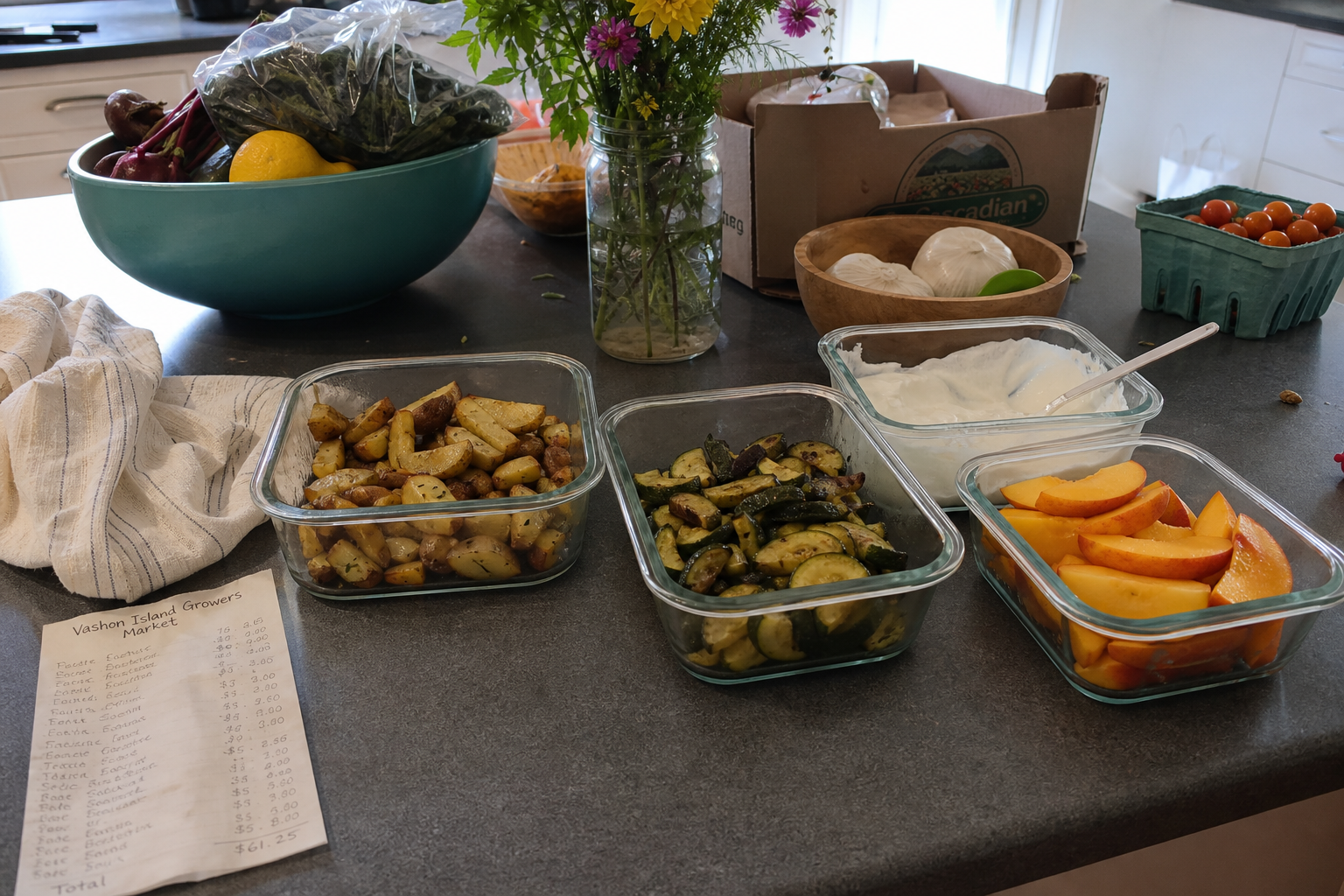
One of my easiest dinners was roasted baby potatoes and zucchini with a quick yogurt-lemon sauce and a side of sliced tomatoes with salt. Another night, I did a skillet of cabbage and potatoes, then added fruit afterward because I still wanted something fresh.
For the nights when I wanted a more deliberate wind-down, I sometimes mixed a little tart cherry juice concentrate into sparkling water alongside dinner or as part of a simple evening snack. I’ve written more about that gentle bedtime-food approach in how I build a bedtime snack that actually helps sleep. The key for me is keeping it low-drama and easy to repeat.
What happened by Wednesday
This was the part I cared about most. Saturday shopping optimism is cheap. Wednesday usefulness is the real test.
Here’s what consistently held up well through midweek:
- Cucumbers stayed worth eating
- Cherry tomatoes were still sweet and snackable
- Cabbage and romaine lasted better than delicate greens
- Potatoes and zucchini still felt easy to turn into dinner
- Melon lasted if I cut and stored it promptly
Here’s what often disappointed me by Wednesday:
- Tender spring mix
- Large berry purchases without a same-day plan
- Big herb bundles I swore I’d use
- Anything that needed careful washing, trimming, and a recipe before it became edible
If a food is only healthy in its most beautiful two-day window, it may not be a busy-week recovery food.
That line became my whole shopping filter.
What I actually turned the basket into
The most useful market foods were the ones that could appear in more than one form without much effort. Here’s what my better weeks looked like from one basket.
- Saturday afternoon: wash cucumbers, cut melon, rinse tomatoes, roast a tray of potatoes and zucchini.
- Sunday post-workout: yogurt, melon, and a peach in a container ready to eat cold.
- Monday lunch: tomatoes, cucumbers, leftover potatoes, and a handful of sturdy greens with a simple vinaigrette.
- Tuesday dinner: skillet vegetables over grains or with eggs.
- Wednesday snack: cold cucumber slices, tomatoes, fruit, and whatever protein was easiest.
That pattern also paired well with the ideas in my recovery lunch kit post: a little produce prep, a little protein planning, and fewer decisions at the exact time your energy dips.
Where people tend to overspend
Watching carts fill up, including my own in week one, I noticed the same traps over and over. The most expensive mistake wasn’t buying junk. It was buying too much maintenance.
I’d be careful with:
- Huge mixed-greens bags if you don’t already have a salad habit
- Produce that bruises if you look at it wrong
- Novelty vegetables you need to learn how to cook on a Wednesday night
- Ingredients that only work in one aspirational recipe
Recovery shopping works better when the food is forgiving. You want foods that can survive one late workday, one change of dinner plans, and one evening where your cooking capacity drops to about six minutes.
What I’d do differently next time
By the third week, I realized I didn’t need to make the market trip bigger. I needed to make it narrower.
I’d buy a little less fruit at peak ripeness unless I had a very clear plan. I’d skip delicate greens almost entirely in hot weather. And I’d bring containers into the workflow faster when I got home instead of letting produce sit in market bags on the counter while I answered emails.
That’s where simple tools helped without turning the whole thing into a gear hobby. My best use cases were practical:
- An insulated reusable grocery tote for anything chilled or tender during the trip home
- A produce storage container set for cut cucumbers, melon, and washed greens I wanted to see and use
- Glass meal prep containers for ready-to-eat yogurt bowls, roasted vegetables, or packed leftovers
- Electrolyte drink mix packets for busy sweaty days when produce alone wasn’t enough to make rehydration happen
- Tart cherry juice concentrate as an easy pantry add-on for a simple evening routine
A simple rubric I’m using now
If you want the short version of my three-week experiment, this is the rubric I’d use at any farmers market now. I ask each item three questions:
| Question | What I mean |
|---|---|
| Recovery value | Will this clearly help me refuel, hydrate, or build an easy dinner? |
| Storage life | Will I still want this by Wednesday? |
| Prep friction | Can I use this with minimal chopping, cooking, or planning? |
If a food scores well on two out of three, I’ll consider it. If it scores on all three, it goes in the basket. If it only has a strong health halo, I leave it there looking beautiful for someone else.
My Verdict
The best farmers market recovery foods were not the prettiest or most virtuous-looking ones. They were the sturdy, high-water, low-fuss foods that still made sense when I was tired on Wednesday. For me, that meant melon, cucumbers, tomatoes, potatoes, zucchini, sturdy greens, and a few simple storage tools that made those foods easier to use. A good market trip can absolutely become a recovery ritual, but only when it’s less about buying ideally and more about setting up a week that feels physically easier to live in.
Disclaimer: This post contains affiliate links. If you buy through them, I may earn a commission at no extra cost to you.