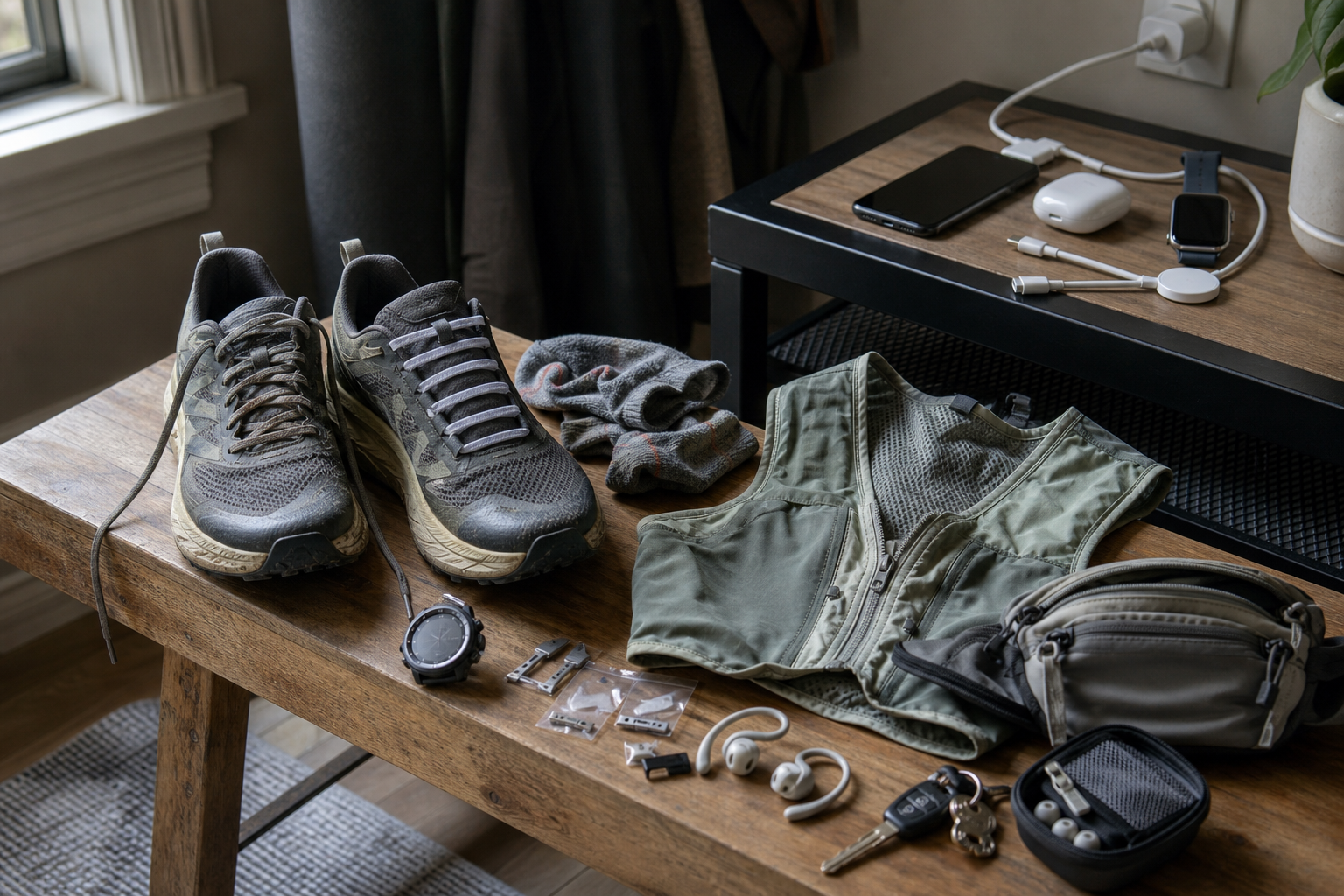
Cheap Gear, Real Pacing: What Helped at a Local Race
Five minutes before the horn, nobody cared about “performance features.” They wanted answers: whether the drizzle would turn into real rain, whether our pace group should tuck in behind me or spread…
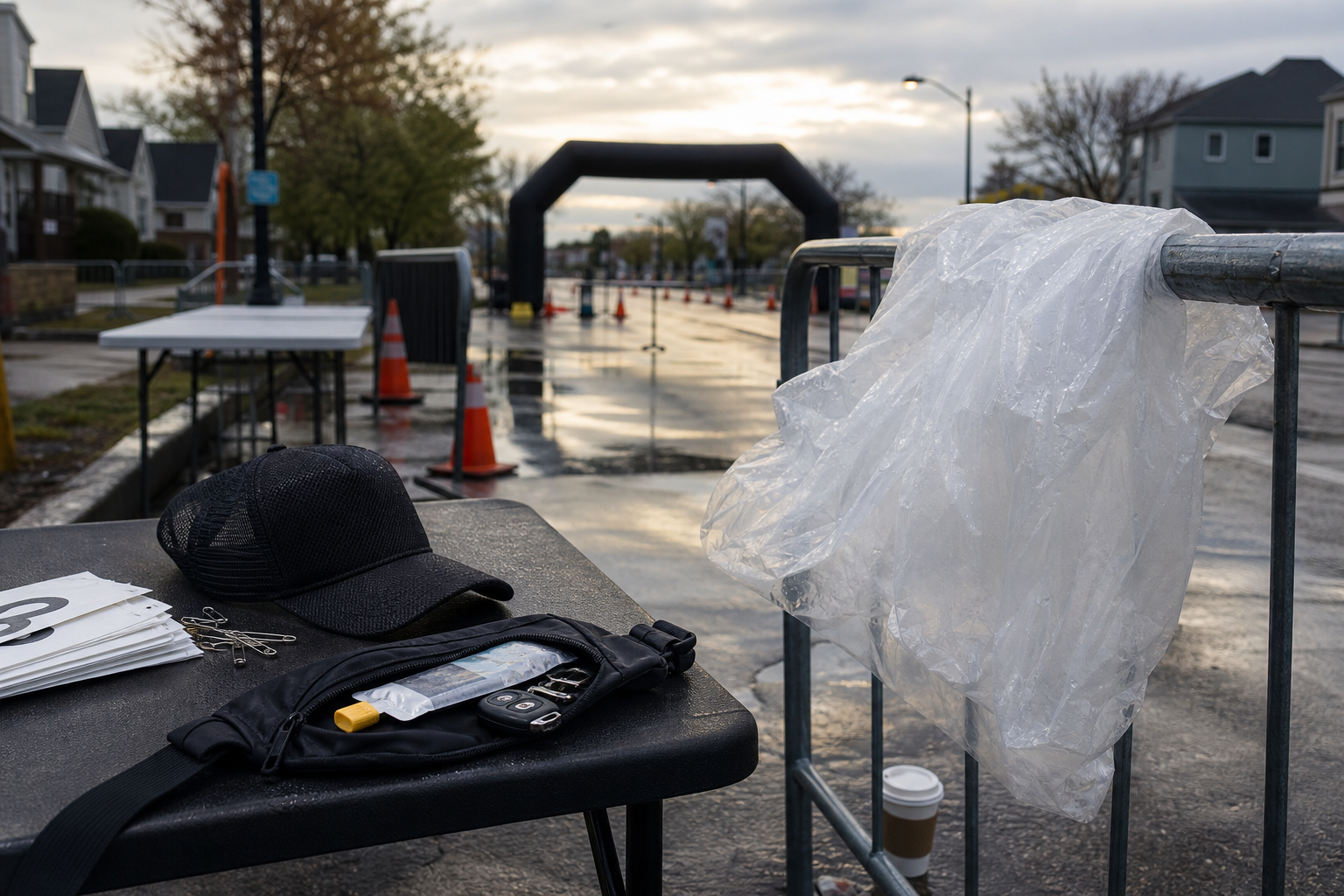
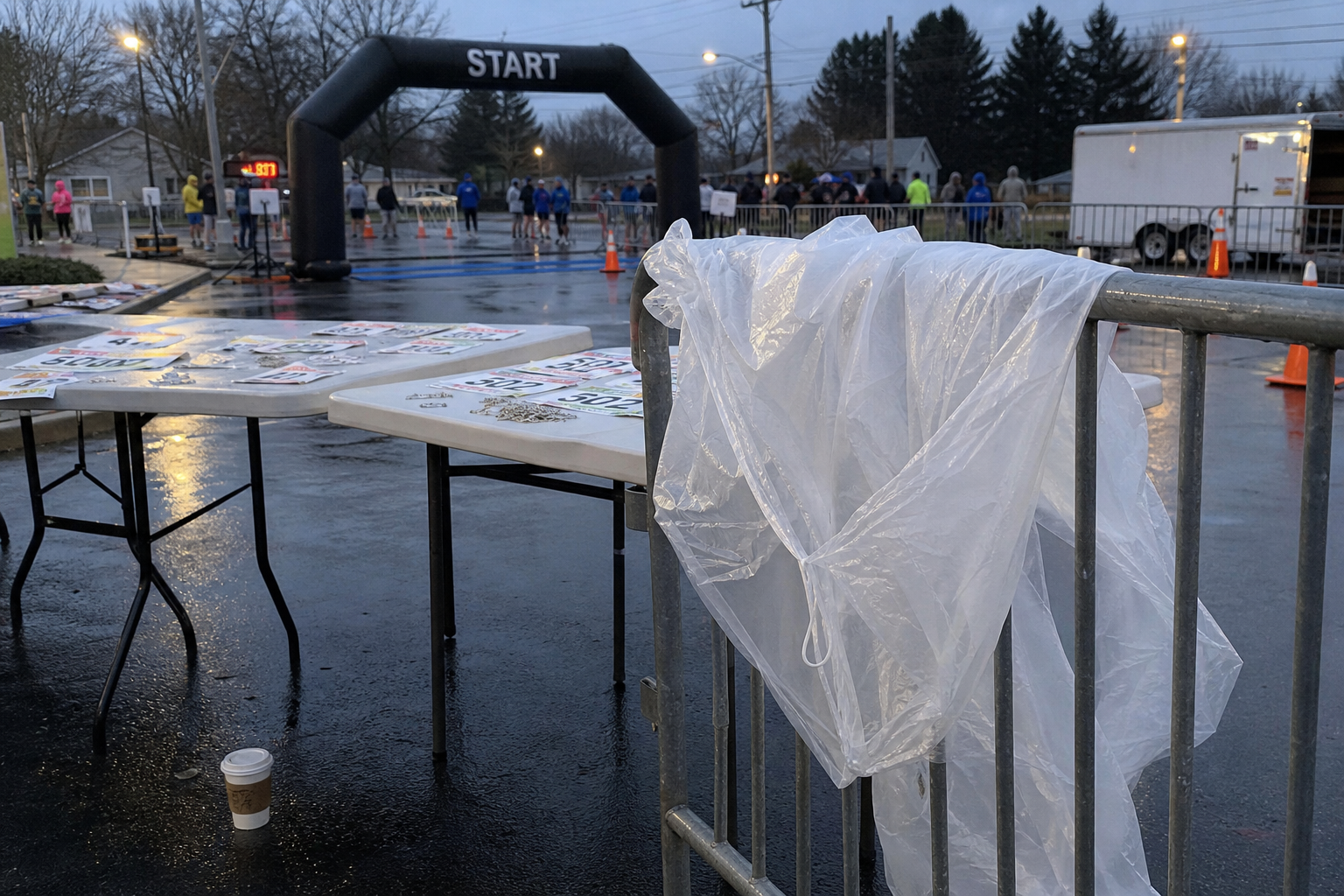
Five minutes before the horn, nobody cared about “performance features.” They wanted answers: whether the drizzle would turn into real rain, whether our pace group should tuck in behind me or spread out, whether a light layer would become a sweaty mistake by the first kilometer.
That’s the part of race morning people forget when they imagine pacing. A pacer is not just running evenly. You’re also absorbing nerves, making fast practical calls for a small crowd, and trying not to show your own second-guessing while the weather changes by the minute.
So I used one volunteer pacing job at a small local race as a test. For that morning, I wore almost entirely budget, last-minute gear sourced in the style of AliExpress finds to see which cheap race-day accessories actually help when you’re responsible for other runners, and which ones just become extra clutter.
I’m not talking about bargain-bin heroics. I mean basic stuff a beginner might realistically grab because they want a workable race-day setup without spending much: a simple mesh running cap, cheap cooling arm sleeves, a thin waist belt, and a pocketable disposable rain poncho.
Why I tried it
The short version: beginner runners often spend too much on the wrong things and too little attention on what race morning actually feels like. I’ve made a similar point before in Stop Upgrading Shoes and Fix Your Front Door: convenience and calm usually matter more than gear drama.
For this race, I wanted a cleaner answer. Could low-cost accessories cover the real pacing jobs—staying visible, staying comfortable, carrying a few essentials, and keeping the group settled—or would they turn into one more layer of annoyance?
That question is a little different for a pacer than for a solo runner.
- For a pacer, gear needs to disappear so your attention can stay on the group.
- For a solo runner, you can tolerate a little fiddling if the item serves your own routine.
- For a pacer, easy access matters more than carrying “just in case” extras.
What I used
I kept the experiment simple. I didn’t want a full budget costume. I wanted a realistic race-day basic setup built around inexpensive accessories.
- A mesh cap for drizzle, glare, and general race-day composure
- budget arm sleeves because the morning was cool but not cold enough for a real layer
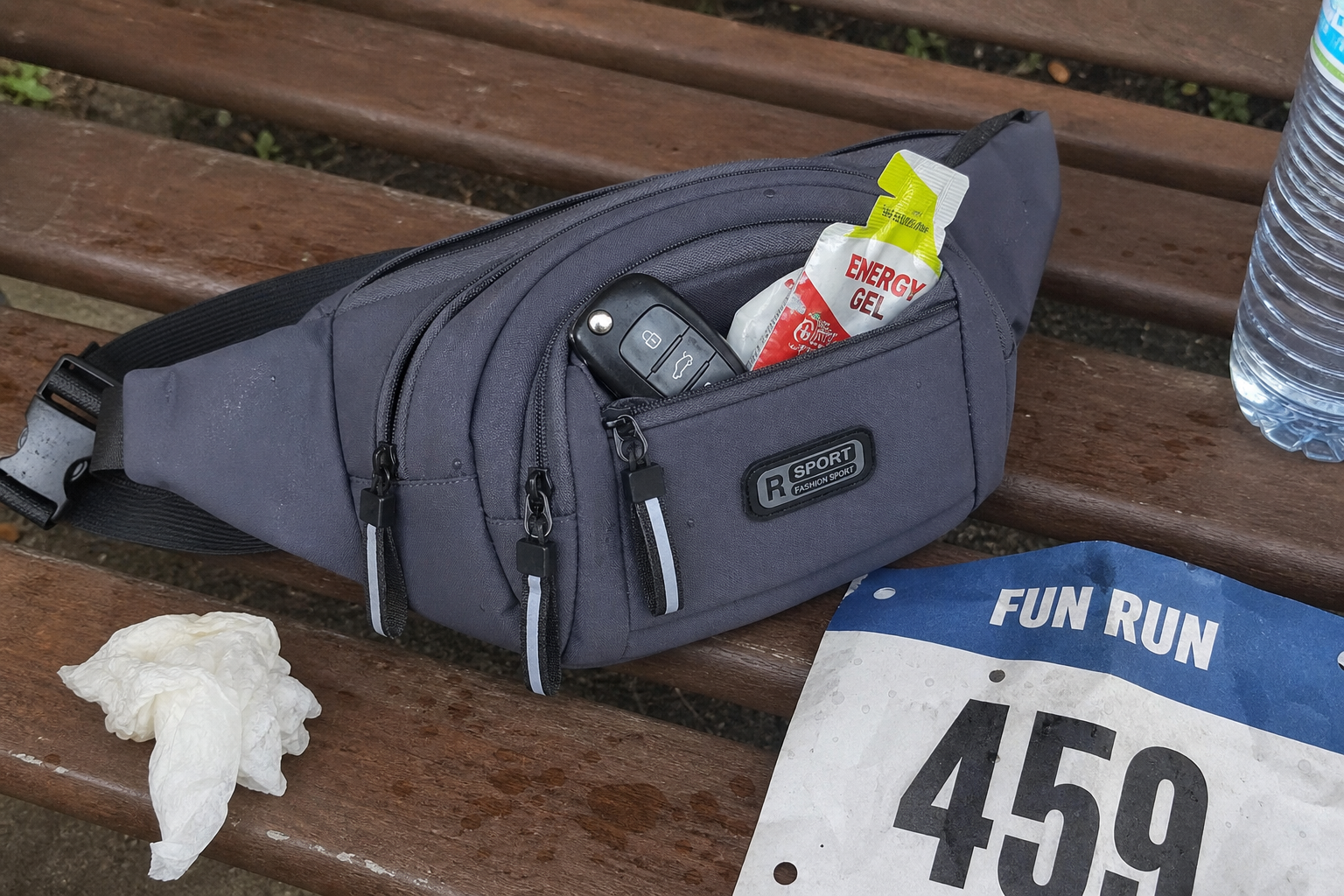
- A slim waist pack for my phone, one gel, and the car key
- A folded emergency poncho before the start
I also kept my pacing routine otherwise normal: simple watch, normal shoes, and a settled route plan. If you want the pacing side of that without obsessing over the screen, my piece on how to pace without trusting your GPS gets into the feel-based part.
Moment one: settling the first kilometer
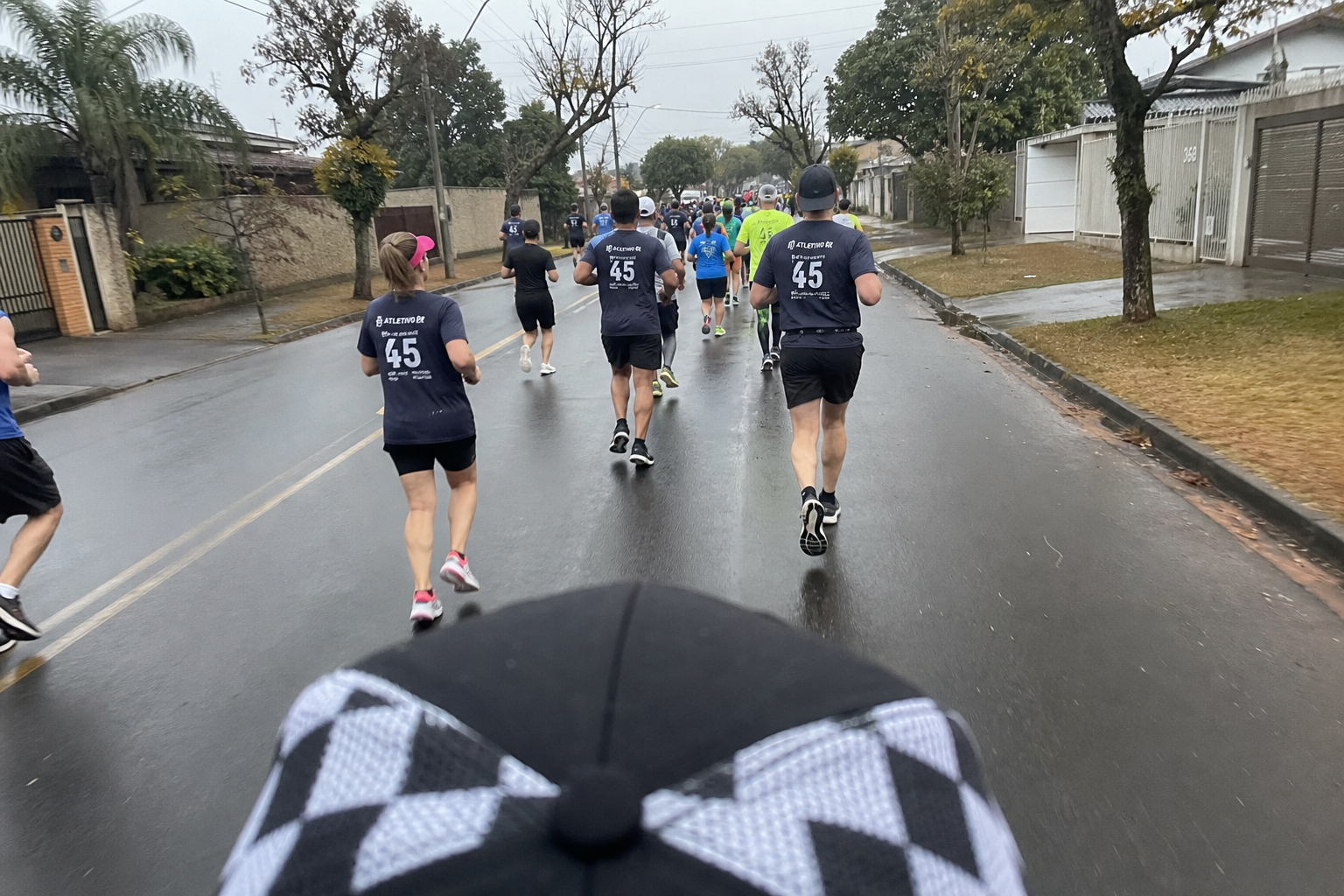
The first kilometer was where the cheap setup had its first real test. Our group surged exactly like beginner-friendly pace groups always do: a few people hot out of the gate, a few hanging back because they were scared of blowing up, everyone trying to read everyone else’s breathing.
The mesh cap was the quiet winner here. Not because it did anything magical, but because light drizzle on your face and glasses can make a crowded start feel chaotic fast. The brim kept my vision clear enough to scan the group, watch the road, and keep eye contact when I said, “Too quick—bring it down now.”
The poncho also earned its keep, but only before the gun. I wore it while standing around, then peeled it off right before we moved. That’s exactly the kind of cheap gear I like: useful for ten minutes, zero sentimental value, no need to carry it once it stops helping.
If an accessory solves a real problem for a short window, that still counts as a win.
The arm sleeves were more mixed early. They took the edge off the cool air, but one started to creep a little at the elbow once my form opened up. For a solo runner, that’s annoying. For a pacer, it’s worse, because every little tug at your clothing steals attention from the group.
Moment two: holding an even middle section
By the middle, the job changes. The nerves settle down, the field stretches, and now the whole challenge is staying boring in the best possible way. Even pacing is mostly about removing friction.
This is where the thin waist belt surprised me a little. I expected it to bounce or feel bulky, but because I kept almost nothing in it, it stayed pretty quiet. That’s the key. Not “How much can this belt hold?” but “Can I forget it’s there?”
For pacing, that matters more than storage capacity. I wasn’t out there trying to carry half a gear closet. I needed:
- one car key
- my phone
- one gel
That was enough. Any bigger and I think it would’ve crossed into pacer clutter.
The arm sleeves improved once we warmed up, but only because I stopped noticing them. That’s the best compliment I can give budget race accessories. They don’t need to feel premium. They need to stop demanding attention. These cheap sleeves were fine once settled, but not so good that I’d call them essential.
The cap stayed useful here too, especially when the drizzle turned to patchy brightness. Sweat management and glare control are not glamorous topics, but in a local 5K or 10K they are more important than most fancy features.
The framework I’d use now for cheap race accessories
By about halfway through the race, the experiment got simpler in my head. I didn’t really care whether any of these items looked clever online. I cared whether they passed three tests.
1. Comfort over features
If cheap gear is comfortable enough to disappear, it can absolutely be worth trying. If it has extra zips, loops, vents, slogans, or multi-use promises but keeps needing adjustment, it fails.
That’s why the cap beat the sleeves in this test. The sleeves had more “feature” language baked into them. The cap just sat there and did the job.
2. Easy access over storage capacity
A lot of beginner runners assume more pockets means better race prep. Usually it means you’re bringing too much. The waist belt worked because it stayed narrow and simple.
For a pacer, easy access matters even more because you can’t spend ten seconds fishing around while talking people through their effort. For a solo runner, you may have a little more tolerance. Still, the rule holds.
3. Zero-fuss setup over novelty
The poncho was the best example of this. It wasn’t exciting. It wasn’t durable. It definitely wasn’t something I wanted to run in. But for a surprise wet start line, it was the highest-value item of the morning because it asked almost nothing of me.
That’s also why I still like building a calm pre-race system more than adding gadgets. If you tend to show up flustered, a low-stress race-day pacing kit will help more than one more novelty accessory.
Moment three: rescuing morale late
Late in the race, one runner in the group started doing that familiar mental math out loud: how far left, how much pace they were losing, whether they should back off and “just survive.” This is where pacing gets emotional, not technical.
I was glad the cheap gear had mostly stayed out of my way by then. No bouncing belt to fix. No hat brim collapsing. No extra layer tied around my waist. That gave me enough bandwidth to do the real work: shorten the next target, smooth the effort, keep the pace honest without making it feel harsh.
The sleeves were the one item that dropped in value late. Once the air warmed and the effort climbed, they felt a little less useful and a little more like something I was tolerating. Not disastrous. Just not helping anymore.
That’s a useful lesson for beginners. Some low-cost accessories are good because they’re temporary solutions. The poncho was great for the start and irrelevant later. The sleeves were decent for the cool opening stretch and average after that. The cap kept being useful from start to finish. The belt stayed acceptable because I didn’t overload it.
What happened overall
Here’s the honest scoreboard after one local pacing job in shifting weather:
- Best value: the mesh cap
- Better than expected: the thin waist pack, as long as it stayed lightly loaded
- Situational win: the disposable poncho before the start, not during the run
- Fine, not vital: the arm sleeves
If you’re using AliExpress-style gear as an affordable test bed, I think that’s a smart move for basic race-day accessories. Caps, sleeves, belts, and throwaway weather layers are all reasonable categories to experiment with cheaply. Where I’d care more about reliability than bargain hunting is anything foundational or hard to troubleshoot mid-race.
What I’d do differently next time
I’d still use budget accessories for this kind of local race, but I’d edit even harder. The sleeves are the first thing I’d question based on temperature. If it’s borderline, I’d probably skip them rather than risk one more thing to adjust.
I’d also keep the waist belt even lighter. As a pacer, I’m convinced now that minimal carry beats maximum preparedness unless the course setup gives you a specific reason to bring more.
And I’d absolutely keep a disposable poncho in the bag for uncertain weather. That one passed the test because it solved a nervous, soggy start-line problem for almost no cost and no complexity.
A smart-spend checklist for beginner 5K and 10K runners
If you want to spend a little before your next race, but spend smart, this is the checklist I’d use.
- Choose one weather-control item: cap for drizzle or glare, or a throwaway poncho for a wet wait at the start
- Only add sleeves if the temperature really justifies them: cool enough to want coverage, not so warm that they’ll become a burden
- Use a waist belt only if you truly need it: key, phone, maybe one gel
- Test every accessory on at least one easy run first: race morning is not the time to learn what rubs, slips, or bounces
- Prioritize comfort, access, and simplicity: not feature lists
- Don’t cheap out on the wrong categories: basics are fine to test affordably, but core gear still needs to be dependable
The Bottom Line
This pacing experiment made the answer clearer for me: inexpensive race accessories can absolutely be useful, but only when they solve a small real problem without creating a new one. The cap and poncho helped because they were simple, the belt worked because I kept it minimal, and the sleeves were decent but never essential. For beginner 5K and 10K runners, affordable AliExpress-style basics are a perfectly reasonable testing ground for race-day routines. Just remember that the best accessory on race morning is usually the one you stop noticing after the first few minutes.
Disclaimer: As an aliexpress Associate, I earn from qualifying purchases.